

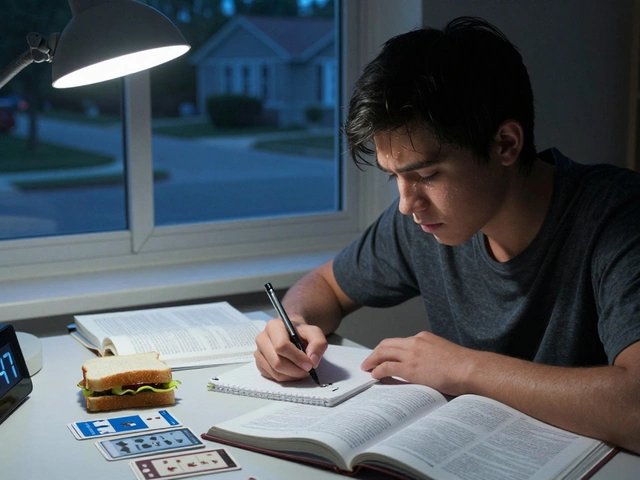



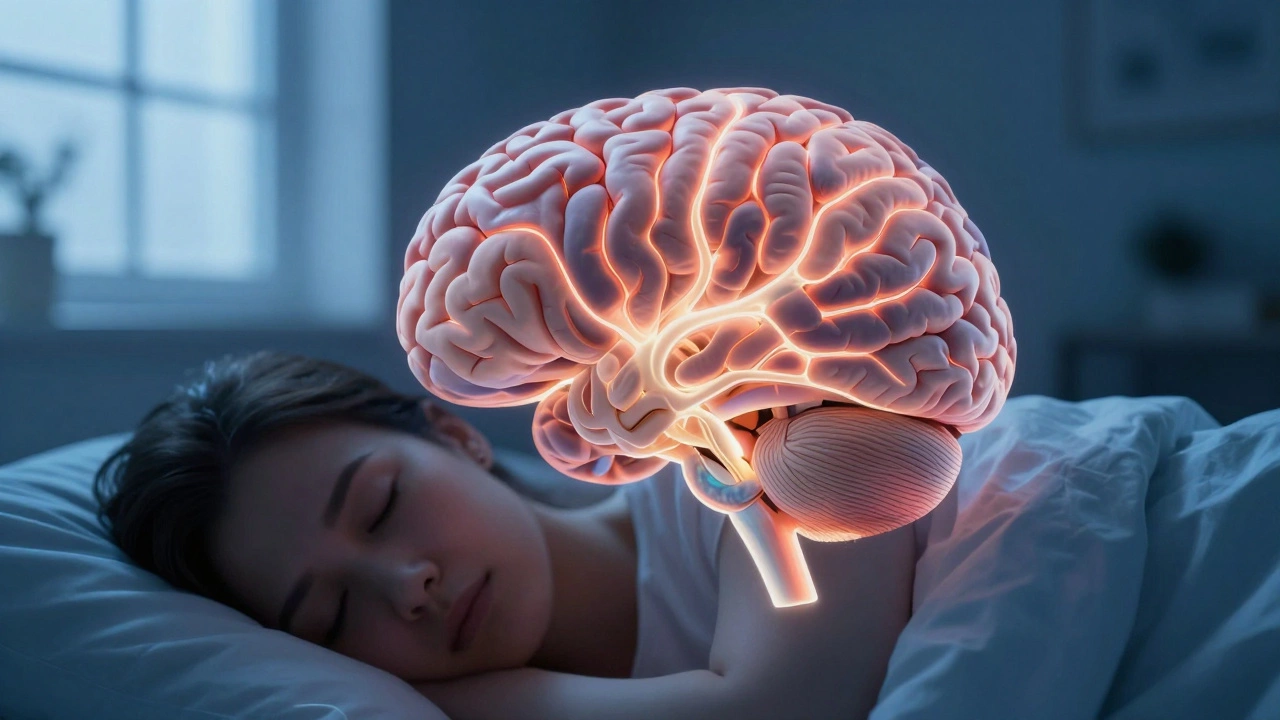
You've spent weeks preparing for your exam. Your notes are organized, flashcards are ready, and you've reviewed every topic. But now, the night before the test, you're faced with a tough choice: stay up late to study more or get some sleep. Many students think pulling an all-nighter will help, but science says otherwise. Sleep is a biological process where the brain processes memories and restores cognitive functions. So, is seven hours of sleep before exam enough? Let's break it down.
Why Sleep Matters for Exam Performance
During sleep, your brain does critical work. Memory consolidation happens primarily during deep sleep stages, where the brain transfers information from short-term to long-term storage. This process is essential for recalling facts, formulas, and concepts during your exam. Without enough sleep, this transfer doesn't happen properly, leading to fuzzy memories and slower recall when you need it most.
A 2023 study in the Journal of Clinical Sleep Medicine tracked 300 college students before final exams. Those who slept 7 hours or more scored 12% higher on average than students who slept less than 6 hours. The difference wasn't just in factual knowledge-it extended to problem-solving and critical thinking tasks. For example, students with adequate sleep performed better on math problems requiring logical reasoning and on essay questions needing clear structure.
What Happens When You Sleep Less Than 7 Hours
But what if you only get 7 hours? It depends. The National Sleep Foundation recommends 7-9 hours for adults. Seven hours is the minimum for most adults, but not everyone functions well at the lower end. Some people need 8 or 9 hours to feel fully rested. For exam performance, where peak cognitive function is required, skimping on sleep-even by an hour-can have measurable effects. A 2022 review in Sleep Medicine found that students who slept 7 hours scored 15% lower on complex reasoning tasks compared to those who slept 8 hours.
The real danger comes when you sleep less than 6 hours. This is where sleep debt starts to accumulate. Sleep debt is the difference between the sleep you need and what you get. Even one night of 5 hours of sleep can impair attention and reaction time as much as being legally drunk. For exams, this means missing key details on the test, making careless mistakes, and struggling to stay focused.
The All-Nighter Myth
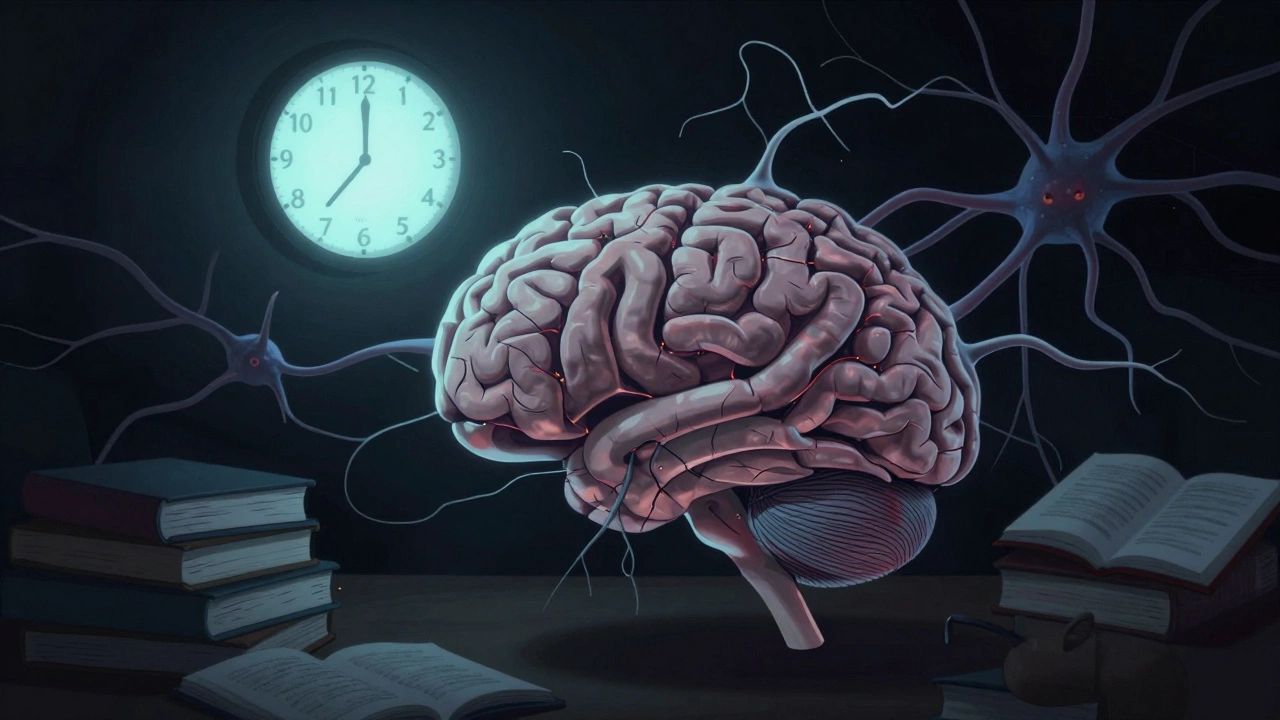
Many students believe all-nighters are the way to go, but research tells a different story. A 2021 study from Harvard Medical School found that students who pulled all-nighters performed worse on exams than those who slept 4 hours. The reason? REM sleep, the stage linked to creativity and problem-solving, gets cut short when you sleep less than 5 hours. Without REM, your brain can't process complex information effectively, making it harder to apply concepts during the test.
During REM sleep, your brain also processes emotional memories. This is crucial for exams involving presentations or high-pressure scenarios. Skimping on REM sleep makes it harder to stay calm and think clearly under stress.

Practical Tips for Optimal Sleep Before Exams
So, what should you do? Prioritize sleep over extra studying. If you have to choose between studying for two more hours or sleeping for two hours, sleep wins. Here's how to optimize your sleep before an exam:
- Avoid caffeine after 2 PM to prevent sleep disruption.
- Keep your bedroom cool (around 65°F) and dark for better sleep quality.
- Put away screens at least an hour before bed to reduce blue light exposure.
- Follow a wind-down routine: read a book, take a warm shower, or practice deep breathing.
- If you can't fall asleep within 20 minutes, get up and do something relaxing until you feel tired.
- Don't worry about the clock. Stressing about sleep makes it harder to fall asleep.
Sleep hygiene isn't just about bedtime-it's about consistent habits. Going to bed and waking up at the same time daily regulates your body clock, making it easier to fall asleep and wake up refreshed.
FAQs
Can I catch up on sleep the night before an exam?
No. Sleep debt isn't easily made up in one night. Consistent sleep over days is better than a single long night. If you've been sleep-deprived for days, getting 8 hours the night before helps, but it won't fully reverse the effects of chronic sleep loss.
Is napping helpful before an exam?
Yes, but keep it short. A 20-30 minute power nap can improve alertness and focus without disrupting nighttime sleep. Longer naps (over 30 minutes) may lead to sleep inertia, making you feel groggy when you wake up.
How does sleep affect different types of exams?
Sleep impacts all exams, but the effects vary. For fact-based exams (like history or biology), deep sleep stages help with memory consolidation. For math or problem-solving exams, REM sleep is crucial for creative thinking. Emotional exams (like presentations) benefit from REM sleep processing emotions.
Should I skip studying to get more sleep?
Yes. Studies show that sacrificing sleep for extra study time often backfires. A well-rested brain retains information better than a tired one. Focus on quality study sessions during the day and prioritize sleep the night before.
What's the ideal sleep schedule for exam week?
Aim for consistent sleep times. Go to bed and wake up at the same time daily, even on weekends. This regulates your body clock, making it easier to fall asleep and wake up refreshed. For most students, 7-9 hours of sleep each night is ideal.