
Homeschooling Timeline Calculator
See exactly how soon you can start homeschooling in Ireland based on your current situation. This tool follows the realistic 5-step process described in the article.
Your Estimated Start Time
Next Steps:
Switching to homeschooling in Ireland doesn’t require a miracle - just a plan, some paperwork, and the courage to start. If you’re reading this because your child’s school situation has fallen apart, or you’ve had a quiet moment and realized you want more control over their learning, you’re not alone. Thousands of families in Ireland make this switch every year. And yes, you can do it faster than you think - often within a week.
Step 1: Understand the Legal Requirements (Within 24 Hours)
In Ireland, you don’t need approval to homeschool. But you do need to notify the state. The law requires you to register your child with the National Educational Welfare Board (NEWB), now part of Tusla. This isn’t a form you mail in a month later - it’s your first real step.
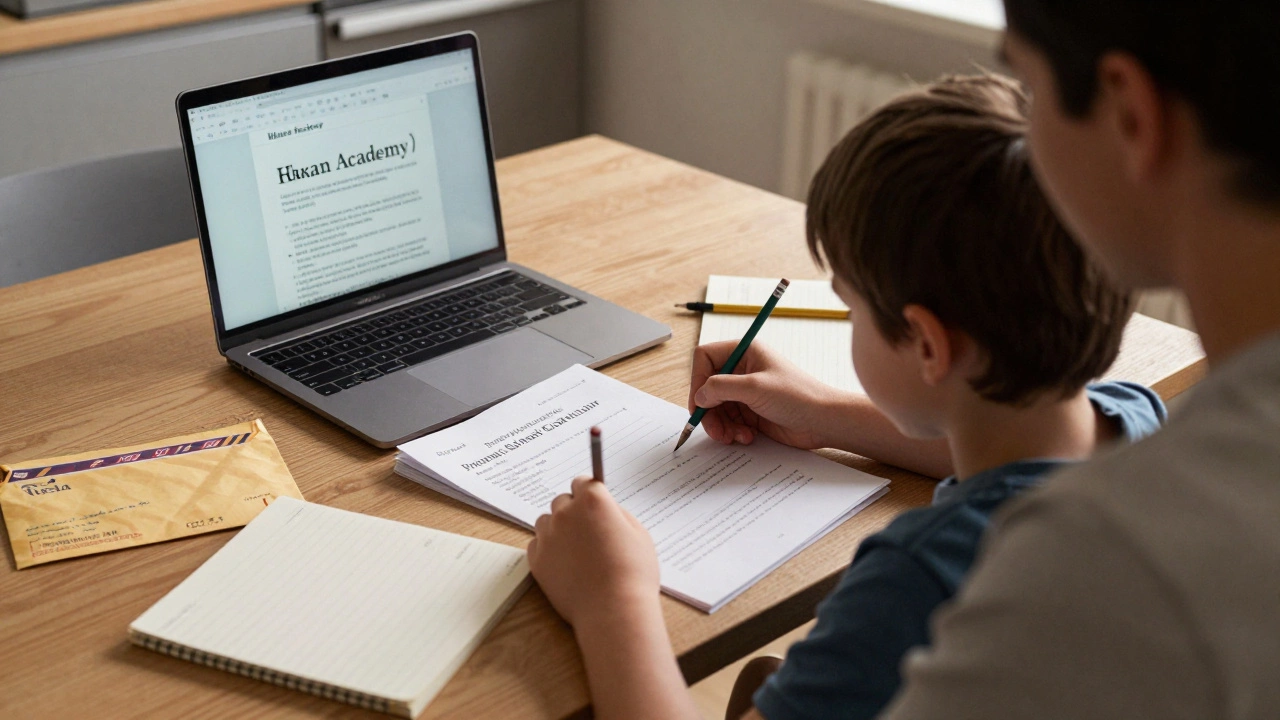
Go to tusla.ie and download the Notification of Intention to Provide Home Education form. Fill it out. Sign it. Send it by post. That’s it. You don’t need to wait for a reply. Once Tusla receives it, your child is officially homeschooled in the eyes of the law.
Most families send this form on a Monday. By Friday, they’ve already started teaching. No one calls you. No one visits. No one asks for your curriculum. You’re legally covered as soon as Tusla gets your letter.
Step 2: Gather Your Materials (Day 2-3)
You don’t need to buy a whole curriculum. You don’t need fancy workbooks or expensive apps. You need three things: structure, resources, and confidence.
- For primary-aged kids (ages 4-12): Use the Primary School Curriculum from the Department of Education. It’s free online. Break it into subjects: English, Maths, Social, Environmental and Scientific Education (SESE), Arts, and Physical Education.
- For secondary (ages 13-18): Download the Junior Cycle and Leaving Certificate syllabi from ncca.ie. These are your roadmap. They tell you exactly what your child needs to know for exams - even if they never sit them.
- Use free tools: Twinkl has hundreds of printable worksheets. Khan Academy covers maths and science from basics to advanced. YouTube has full lessons on history, biology, and even Latin.
Most families spend less than €50 in the first week - mostly on printer ink and a notebook. One mum in Cork bought a second-hand maths set from Facebook Marketplace for €15 and used the library for books. Her son started reading Shakespeare by day five.
Step 3: Set Up Your Learning Space (Day 3-4)
You don’t need a dedicated room. You don’t need a desk. You need a corner. A kitchen table works. A windowsill works. A blanket on the floor works.
What matters is consistency. Pick a time. Start at 9 a.m. or 10 a.m. - whatever fits your rhythm. Keep it simple: 30 minutes of maths, 45 minutes of reading, 20 minutes of writing. Then let them go outside. Movement is part of learning.
One dad in Limerick started with 90 minutes a day. By week two, they were doing 4 hours - not because he pushed, but because his daughter asked to keep going. Kids don’t need 8 hours of school. They need focus, connection, and freedom to explore.
Step 4: Connect With Other Homeschoolers (Day 4-5)
Don’t isolate yourself. You’re not doing this alone. Ireland has over 12,000 homeschooled children. There are groups everywhere - Dublin, Galway, Cork, even rural towns.
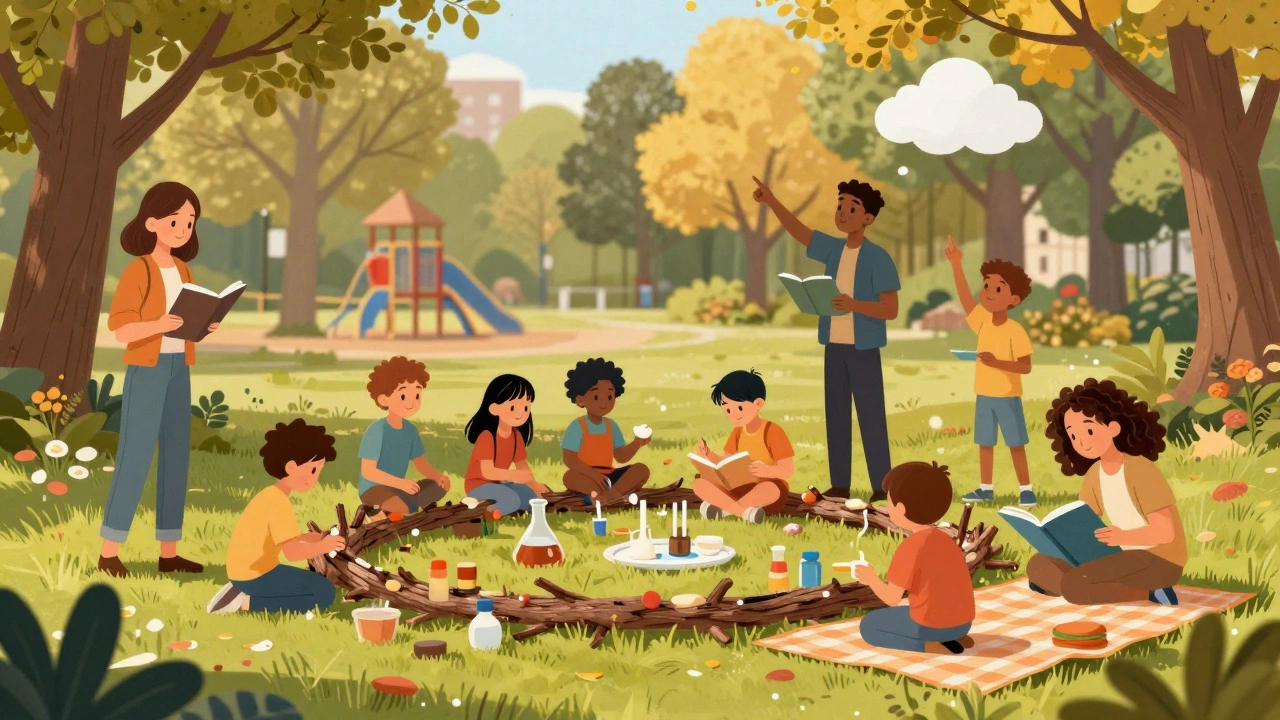
Search Facebook for: Homeschooling Ireland, Homeschooling Dublin, Leinster Homeschoolers. Join. Ask questions. Go to a meet-up. Most are free. One group in Bray meets every Thursday at the local park. Kids build forts, do science experiments with vinegar and baking soda, and play soccer. Parents swap resources. One mum brought a homemade solar oven. The kids baked cookies. That’s education.
Don’t wait for perfect. Show up messy. Bring snacks. Bring your doubts. You’ll leave with ideas, contacts, and a sense that you’re not crazy for choosing this.
Step 5: Track Progress - But Don’t Overdo It (Ongoing)
Tusla doesn’t require portfolios or reports. But you should keep a simple record. Not for them - for you.
Use a notebook. Or a Google Doc. Write down:
- What you did each day (e.g., “Read Matilda, wrote letter to Miss Honey, did fractions with pizza slices”)
- What they loved
- What they struggled with
One family in Tipperary kept a photo journal. Every Friday, they took a picture of their child’s work - a drawing, a poem, a math problem. By the end of the year, they had a book of growth. No grades. No marks. Just proof they were learning.
Don’t compare your child to a classroom. Homeschooling isn’t about keeping up. It’s about going deeper.
What About Exams? What About Social Life?
You’ll hear these questions. A lot.
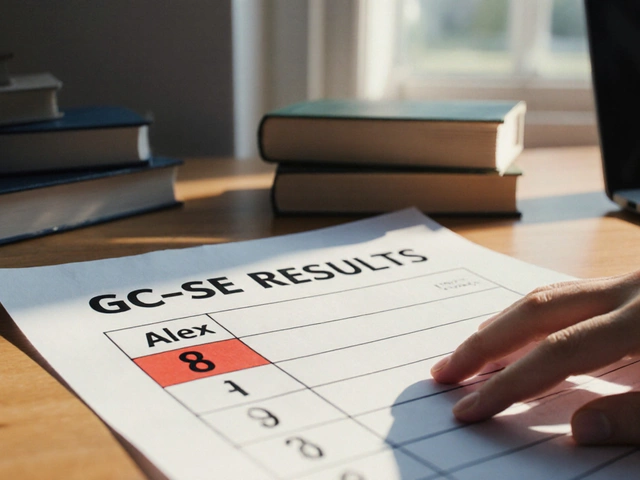
Exams: Your child can sit Junior Cycle and Leaving Certificate exams as a private candidate. There’s no rule saying you have to be in school to take them. Registration opens in October. Fees are around €100 per subject. Many families skip them entirely. Others use them as goals. Either way, it’s your choice.
Social life: Homeschooled kids in Ireland are more socially active than most people think. They join scouts, football clubs, music lessons, coding camps, and volunteer groups. They’re not stuck at home. They’re just not stuck in a classroom. One 12-year-old in Galway volunteers at a community garden every Wednesday. She knows 40 people there - from retired teachers to teenagers with autism. That’s real socialization.
Common Mistakes to Avoid
- Trying to recreate school at home. You don’t need bells, uniforms, or 30 worksheets a day. Homeschooling is personal. Let curiosity lead.
- Waiting for the perfect moment. There isn’t one. Start with what you have. Today.
- Listening to the doubters. Your neighbour’s opinion doesn’t change your child’s potential. Your child’s joy does.
- Over-scheduling. Less is more. Two focused hours beat six dragged-out ones.
Real Timeline: From Decision to First Lesson
Here’s what a real week looks like:
- Monday: Download Tusla form. Send it by post.
- Tuesday: Print the Primary Curriculum. Browse Twinkl. Pick 3 activities.
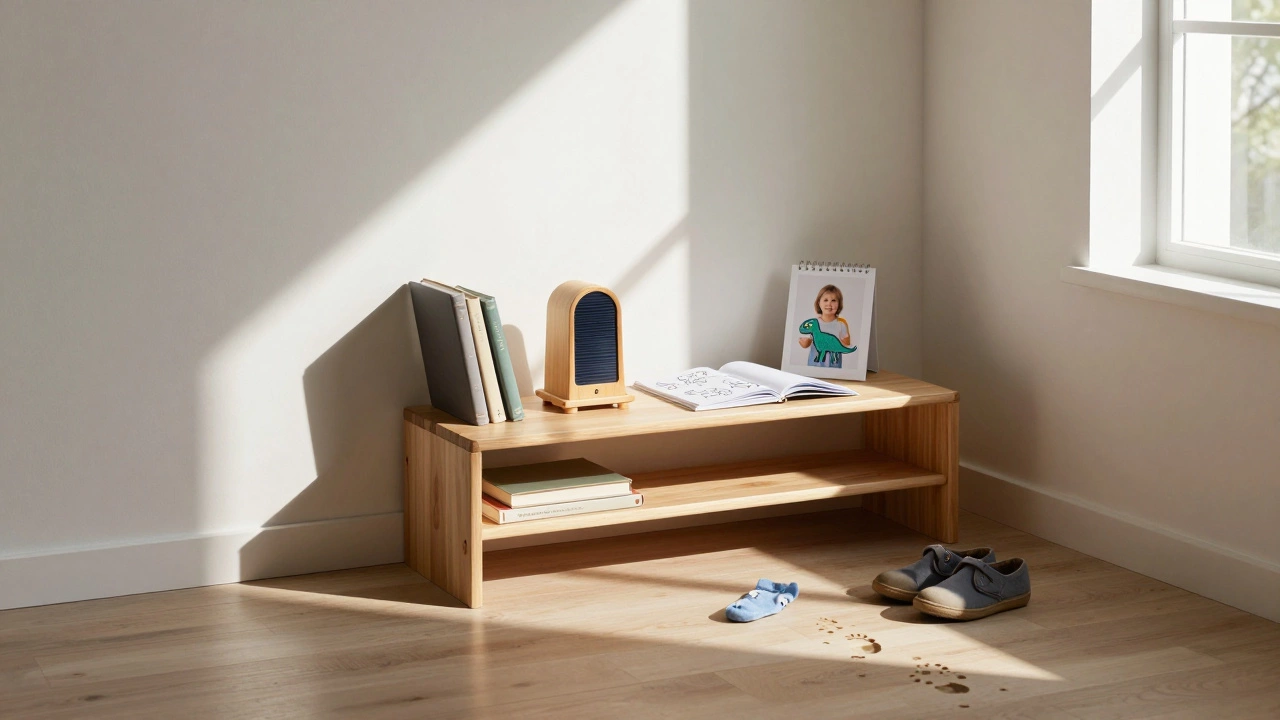
- Wednesday: Clear a corner of the kitchen. Set up a small shelf with books and pencils.
- Thursday: Join a local homeschool group. Message them: “New here. Can I come to the park meet-up?”
- Friday: Start with maths (counting coins), reading (a picture book), and drawing their favourite animal.
- Saturday: Visit the library. Borrow 5 books. Let them choose.
- Sunday: Walk in the park. Talk about clouds, birds, trees. That’s science.
By day seven, you’re not just registered. You’re homeschooling.
What If It Doesn’t Work?
Then you try again. Homeschooling isn’t a life sentence. You can go back to school. You can pause. You can switch methods. One family in Waterford tried it for six months. Their daughter missed her friends. They re-enrolled. She’s doing great. No shame. No failure. Just a choice that didn’t fit.
The goal isn’t perfection. It’s presence. Are you showing up? Are you listening? Are you learning with them? That’s enough.
Can I start homeschooling mid-year in Ireland?
Yes. You can start at any time - even in the middle of term. Just send the Tusla form and begin. Schools don’t need to be notified. You don’t need permission. The only legal requirement is registering with Tusla. Many families switch after Christmas, Easter, or even after a bad report card.
Do I need teaching qualifications to homeschool in Ireland?
No. You don’t need any formal teaching qualifications. The law doesn’t require them. What matters is your willingness to learn alongside your child. Many parents have no background in education - they’re nurses, builders, artists, or stay-at-home parents. They use free resources, online videos, and local groups to fill gaps. You don’t have to know everything. You just have to be willing to find out together.
How much time does homeschooling take each day?
It varies by age and style. For younger children, 2-3 hours is typical. For teens, 3-5 hours. But this isn’t like school. There’s no rigid timetable. You might do maths in the car, history at the park, and writing in the bath. Many families blend learning into daily life - cooking teaches fractions, shopping teaches budgeting, walks teach biology. The key is consistency, not clock time.
Can my child sit state exams like the Junior Cycle or Leaving Certificate?
Yes. Homeschooled children can register as private candidates for all state exams. Registration opens in October for the following year. Fees are around €100 per subject. You’ll need to arrange exam centres - many are local schools or adult education centres. Some families use past papers and online tutors to prepare. Others skip exams entirely. It’s your decision. The state doesn’t force you to take them.
Is homeschooling expensive in Ireland?
It doesn’t have to be. Many families spend under €100 a year. Free resources like the Department of Education’s curriculum, Khan Academy, YouTube, and library books cover most needs. You can buy second-hand textbooks on Facebook Marketplace for €5. A printer and ink are the biggest costs. Some families use community centres for science labs or art classes. Others trade resources with other homeschoolers. You don’t need to spend money to give your child a rich education.
What if my child is behind in school?
Homeschooling is one of the best ways to catch up. Without the pressure of a classroom, you can go at their pace. If they’re struggling with fractions, you spend a week on it - with pizza, LEGO, or money games. If they love dinosaurs, you dive into geology, biology, and history through that lens. Learning isn’t linear. Homeschooling lets you follow their curiosity, which often leads to faster, deeper understanding than rigid school schedules allow.
Next Steps: What to Do Right Now
If you’re serious about switching, do this today:
- Go to tusla.ie and download the form.
- Print it. Fill it out. Sign it.
- Put it in an envelope. Stamp it. Drop it in the post box.
- Open a free Google Doc. Title it: “Our Homeschool Journey.”
- Write one thing your child loves to learn about.
You’ve already started.