

Homeschooling Mental Health Readiness Checker
Answer the following questions honestly to see how well homeschooling aligns with your child's current mental health needs. This tool is based on common indicators discussed in educational psychology.
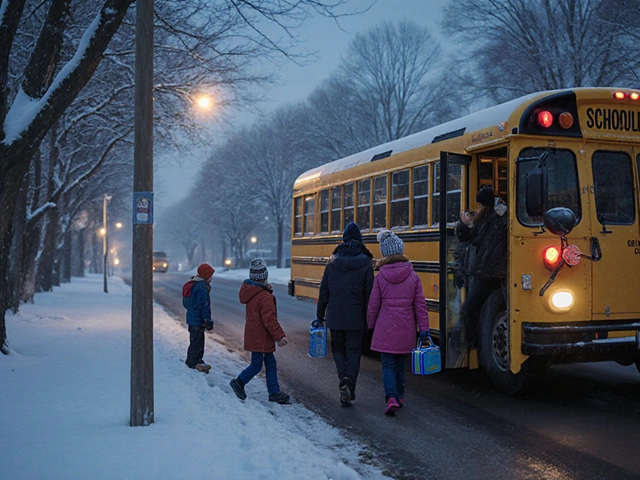
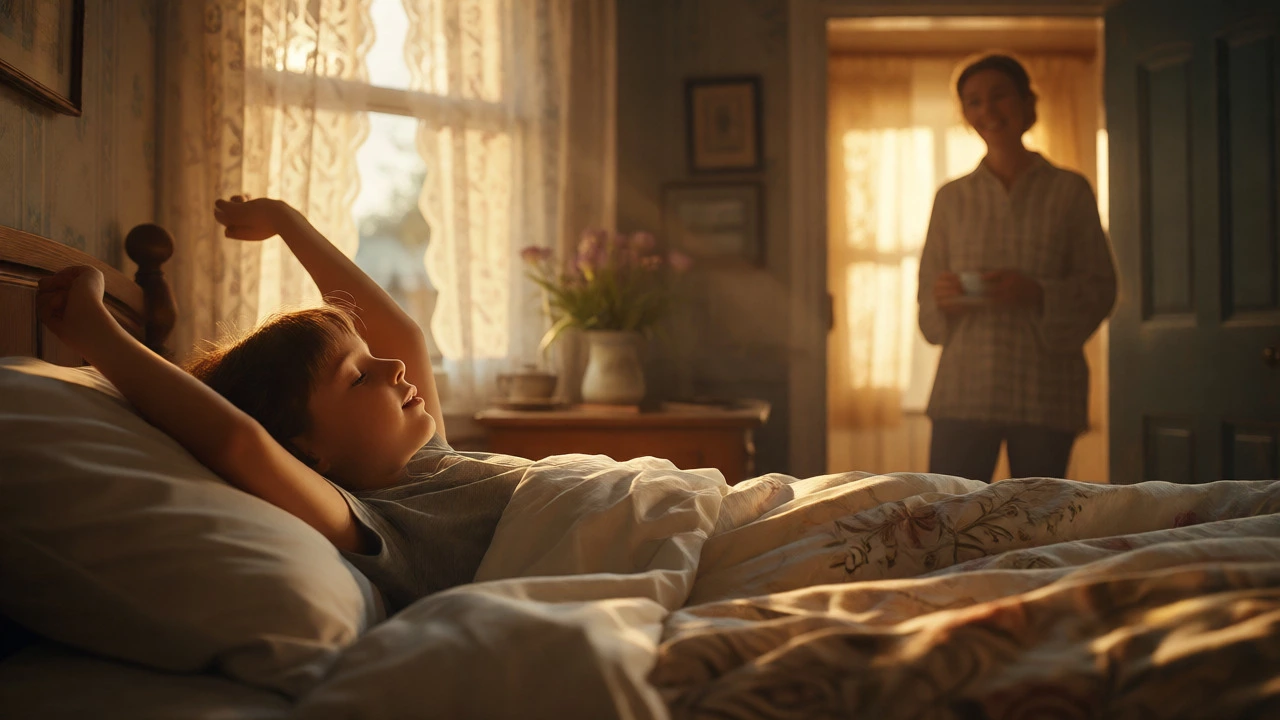
Imagine your child waking up at 6:30 AM, rushing through a cold shower, and dreading the bus ride to school. For many kids, this isn't just a bad day; it's their daily reality, fueled by social pressure, rigid schedules, and sensory overload. Now, imagine that same child sleeping until 8:00 AM, choosing when to tackle math problems, and having zero anxiety about who they sit with at lunch. This is the promise of homeschooling an educational method where parents or tutors educate children at home rather than in a traditional public or private school setting. But does swapping the classroom for the kitchen table actually fix mental health struggles, or does it just move the problem into a different room?
The Anxiety Reduction Factor
Let’s be honest: school can be a minefield for anxious kids. The constant performance pressure, the fear of bullying, and the sheer noise of hundreds of students interacting in confined spaces create a high-stress environment. When you remove these stressors, something interesting happens. Studies on student well-being consistently show that homeschoolers often report lower levels of generalized anxiety compared to their peers in traditional settings. Why? Because they aren’t performing for an audience of thirty strangers every single day.
In a homeschool setting, learning is personalized. If a child is struggling with fractions, they don’t have to worry about holding up the class or being mocked by classmates. They can take ten minutes or ten days to understand the concept. This autonomy reduces the cortisol spikes associated with academic failure and social judgment. It’s not that the work becomes easier-often, it becomes more rigorous-but the emotional toll of navigating the social hierarchy of a schoolyard disappears.
Socialization: The Biggest Myth vs. Reality
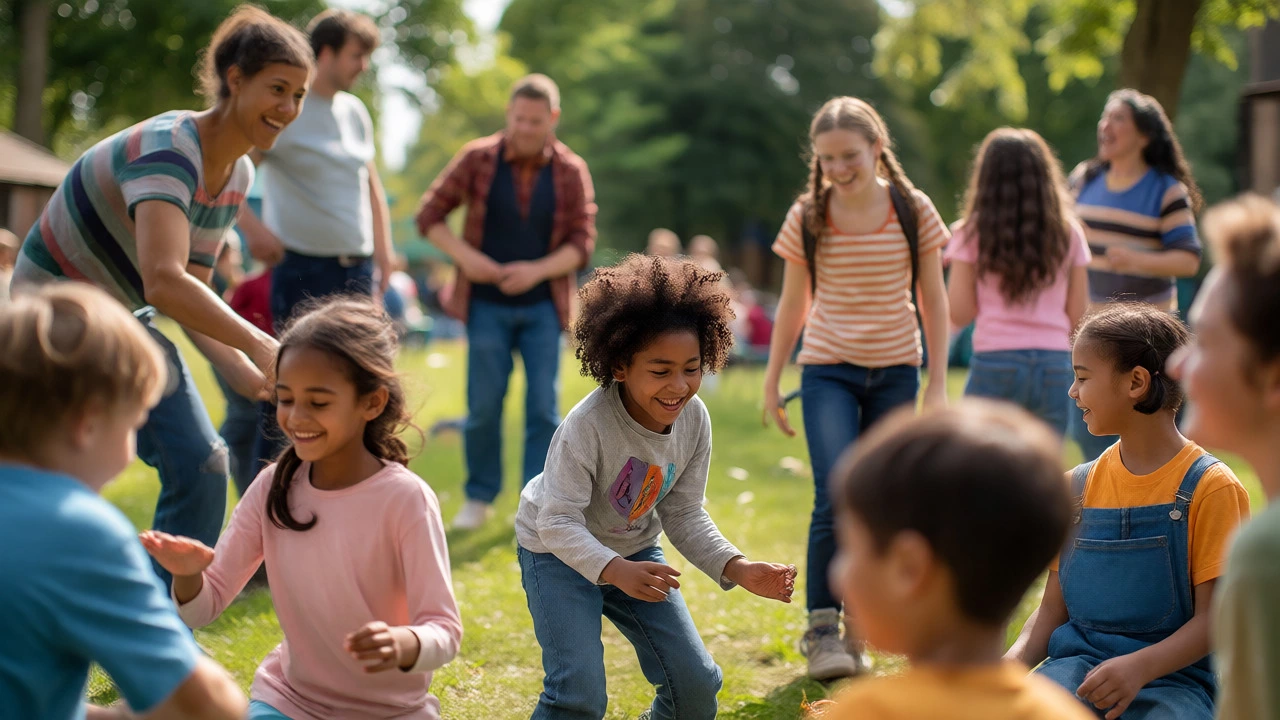
You’ve heard it before: "But what about socialization?" People act like homeschooled kids live in caves. In reality, social skills development in homeschooling looks different, not deficient. Traditional schools group children strictly by age, forcing them to interact primarily with peers of the exact same birth year. This creates a bubble that doesn’t exist in the real world.
Homeschoolers often interact with people of various ages and backgrounds through co-ops, sports leagues, library programs, and community service. Research suggests that this mixed-age interaction fosters better communication skills and comfort around adults. However, there is a caveat. If a parent isolates their child, treating homeschooling as a way to hide from the world rather than engage with it, social anxiety can persist. The key is intentional exposure. You have to actively seek out social opportunities, whereas in school, social contact is forced upon you whether you like it or not.
The Role of Sleep and Routine
We know teenagers are biologically wired to sleep later. Yet, most high schools start early. Chronic sleep deprivation is linked to depression, irritability, and poor cognitive function. Homeschooling allows families to align education with natural circadian rhythms. A teenager might study effectively from 10:00 AM to 2:00 PM, leaving evenings free for relaxation or hobbies.
This flexibility extends beyond sleep. Consider a child with ADHD or autism spectrum disorder. The rigid structure of a traditional school day can be overwhelming. Sensory issues with fluorescent lights or loud hallways can lead to meltdowns that are misinterpreted as behavioral problems. At home, the environment is controlled. Lighting can be adjusted, breaks can be taken when needed, and movement is allowed during lessons. This control significantly lowers the risk of burnout and emotional exhaustion.
When Homeschooling Backfires
It’s not all sunshine and self-paced reading. Homeschooling can worsen mental health if the dynamic between parent and child becomes toxic. If the parent acts as a drill sergeant rather than a facilitator, the home loses its status as a safe haven. The line between "parent" and "teacher" blurs, leading to conflict over homework instead of quality family time.
Furthermore, some children thrive on external structure. Without the physical separation of school and home, procrastination can spiral. For kids who struggle with executive function, the lack of immediate peer feedback or teacher accountability can lead to feelings of isolation or inadequacy. If a child feels they are falling behind because no one is checking their progress regularly, anxiety can replace the freedom they initially gained.
Comparing Educational Environments
To make a clear decision, it helps to look at the trade-offs side-by-side. Here is how the two environments typically impact mental health factors:
| Mental Health Factor | Traditional School | Homeschooling |
|---|---|---|
| Social Pressure | High (constant peer comparison) | Low (controlled interactions) |
| Bullying Risk | Significant (physical & cyber) | Minimal (depends on external activities) |
| Autonomy | Low (fixed schedule/curriculum) | High (flexible pacing/interests) |
| Isolation Risk | Low (forced social contact) | Moderate (requires active effort) |
| Parent-Child Conflict | Low (separate spheres) | High potential (blurred roles) |
Key Indicators That Homeschooling Will Help Your Child
Not every child needs to leave school to feel better. However, specific signs suggest that removing the school environment could be the reset button your family needs. Pay attention to these red flags:
- Somatic Symptoms: Does your child get stomachaches or headaches every Sunday night or Monday morning? These are classic signs of anticipatory anxiety.
- Academic Burnout: Are they exhausted despite doing average work? High-performing students often mask deep fatigue.
- Social Withdrawal: Do they refuse to talk about their day or avoid friends outside of school hours?
- Learning Mismatch: Is the curriculum too fast (causing frustration) or too slow (causing boredom)? Both extremes damage self-esteem.
If you see three or more of these, a trial period of homeschooling-or even hybrid schooling-might offer the relief they need. It’s not about escaping education; it’s about finding a mode of learning that respects their psychological limits.
Practical Steps to Protect Mental Health While Homeschooling
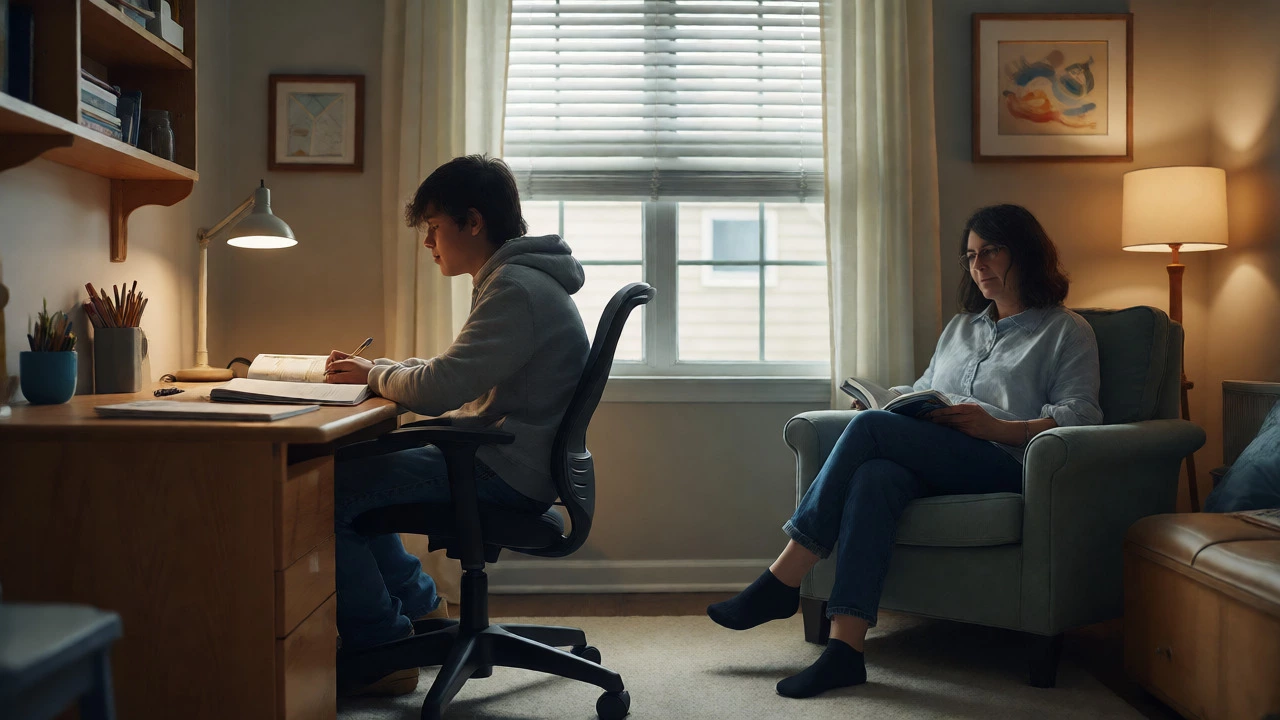
If you decide to take the leap, don’t let the new freedom turn into chaos. Structure is still vital for mental stability, but it should be flexible structure. Start small. Don’t try to replicate eight hours of school in four hours at home. Aim for focused blocks of learning followed by genuine breaks.
Involve your child in the planning process. Ask them: "When do you feel most alert?" Let them choose the order of subjects. This sense of agency is powerful for combating feelings of helplessness. Also, prioritize non-academic connections. Join a local homeschool co-op, sign up for a martial arts class, or volunteer at an animal shelter. Social health requires diverse inputs, just like nutritional health.
Finally, monitor the relationship. Schedule regular check-ins where you discuss feelings, not just grades. If tension rises, consider hiring a tutor for difficult subjects to preserve the parent-child bond. Remember, the goal is a healthy, curious learner, not just a completed textbook.
Does homeschooling cause loneliness?
Not necessarily. While isolation is a risk if families stay indoors, most successful homeschoolers participate in co-ops, sports, and community groups. Many studies indicate that homeschoolers develop strong social skills because they interact with people of varying ages, rather than just their same-age peers.
Can homeschooling help with ADHD?
Yes, for many children. The ability to break tasks into smaller chunks, move freely while studying, and avoid distracting environments like noisy classrooms can significantly improve focus and reduce frustration for students with ADHD.
What if my child hates homeschooling after starting?
It’s common to feel resistance during the transition. Give it a fair trial period, such as one term. If the issue persists, assess whether the curriculum is too hard/easy or if the social aspect is lacking. Hybrid models (part-time school) are also a viable middle ground.
Do homeschooled students face more stress during exams?
Exam stress depends on preparation style. Homeschoolers can tailor revision schedules to their energy levels, potentially reducing cramming-related panic. However, they must manage their own deadlines without teacher reminders, which requires good organizational support from parents.
Is the parent’s mental health affected by homeschooling?
Absolutely. Homeschooling is demanding. Parent burnout is real. To maintain good mental health for everyone, parents need support networks, realistic expectations, and time for themselves. A stressed parent cannot effectively support a stressed child.