




Tutoring vs. Classroom Decision Tool
Answer the questions below to receive a personalized recommendation on whether to stick with classroom teaching, hire a private tutor, or combine both.
Recommended Approach
Why this fits your situation:
Adjust the sliders and click "Get Recommendation" to see which educational path is best for you.
You’re staring at a math problem that just won’t click. In school, the teacher moved on to the next topic twenty minutes ago because thirty other students were ready. Now you’re stuck, and the gap is widening. This scenario plays out in classrooms every day. It’s why many parents and students ask: is tutoring better than teaching? The answer isn’t a simple yes or no. It depends entirely on what you need right now.
Classroom teaching builds social skills and follows a standardized curriculum. Private tutoring offers hyper-personalized attention and flexible pacing. Neither is universally "better." One fixes systemic gaps; the other fixes individual ones. Let’s break down exactly where each method shines, so you can decide which fits your specific situation.
The Core Difference: Scale vs. Specificity
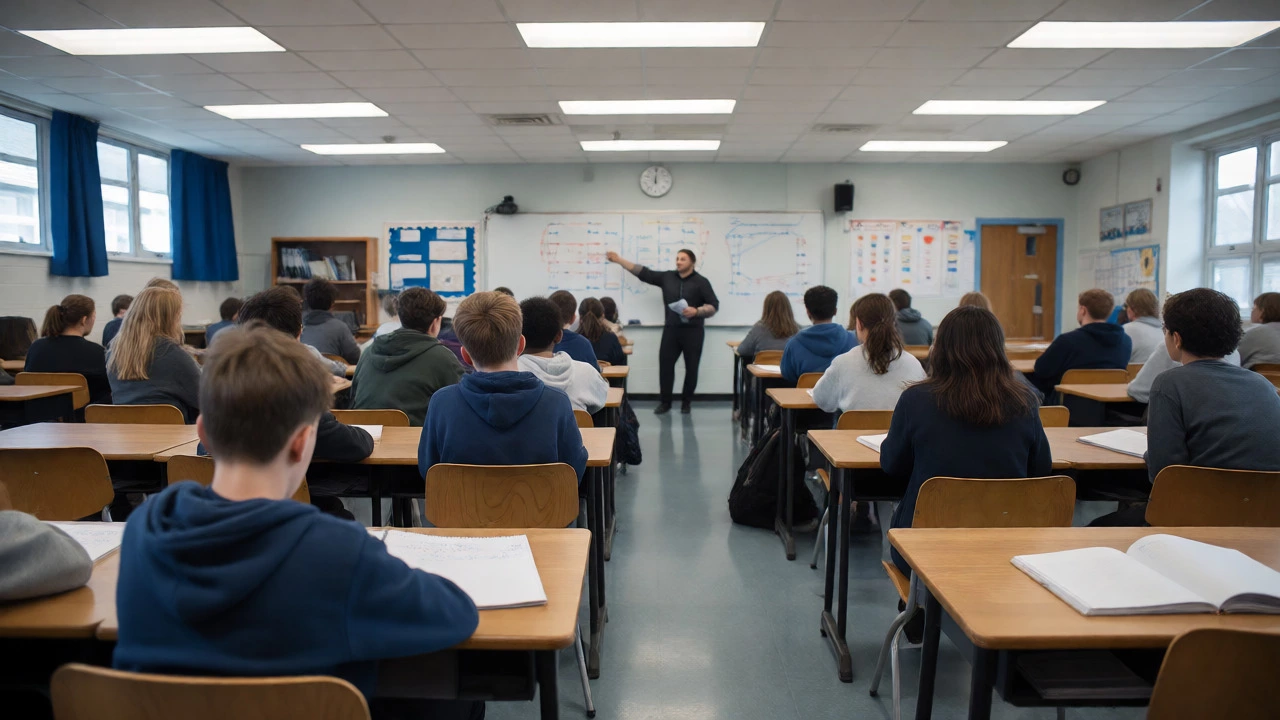
Classroom Teaching is a structured educational model where one instructor delivers lessons to a group of students simultaneously, typically ranging from 15 to 30+ pupils. Its strength lies in consistency and community. Students learn to work in teams, respect deadlines set by an external authority, and navigate social dynamics. Teachers follow a national curriculum, ensuring no major topics are missed. For most students, this structure provides the necessary framework for steady progress.
Private Tutoring is an intensive, one-on-one educational service where a tutor tailors instruction specifically to the learner's pace, style, and immediate needs. Here, the scale shrinks to zero distractions. If you don’t understand fractions, the tutor doesn’t move to decimals until you do. There’s no peer pressure to keep up, and no boredom from waiting for others to catch up. This specificity allows for rapid remediation of knowledge gaps.
When Classroom Teaching Wins
Don’t dismiss the traditional classroom. It offers things a solo tutor simply cannot replicate easily. First, there’s the social learning environment. Debating history with peers teaches critical thinking differently than explaining it to an adult. Group projects mimic real-world workplace collaboration. These soft skills are crucial for career readiness later on.
Second, cost-effectiveness matters. Public schooling or standard tuition fees spread the cost of the teacher across dozens of families. Hiring a qualified tutor for the same number of hours can cost ten times more. If your child is performing adequately and has no specific learning barriers, the classroom provides sufficient challenge and support without draining the family budget.
Finally, exposure to diverse viewpoints helps. In a class, students hear different interpretations of literature or science from their classmates. A tutor might have a preferred method, but a classroom exposes learners to multiple ways of solving problems through peer interaction.
When Private Tutoring Takes the Lead
Tutoring excels when the standard model fails. If a student is falling behind, the classroom often accelerates them further into confusion because the syllabus doesn’t stop. A tutor pauses. They diagnose the exact point where understanding broke down-often weeks or months prior-and rebuild from there.
This approach is vital for exam preparation. Whether it’s GCSEs, A-Levels, or university entrance exams, tutors know the marking schemes inside out. They teach test-taking strategies alongside subject content. A classroom teacher must cover the whole syllabus; a tutor can drill specific high-yield topics repeatedly until they stick.
Students with special educational needs (SEN) also benefit significantly. ADHD, dyslexia, or anxiety can make a noisy classroom overwhelming. A quiet, controlled one-on-one session reduces sensory overload, allowing the brain to focus on processing information rather than filtering distractions.

Cost and Time Investment: The Reality Check
Let’s look at the numbers. In Dublin, as in much of Europe, private tutoring rates vary widely based on qualifications and location. Standard hourly rates often range from €30 to €60 per hour for general subjects, rising to €80+ for specialized exam prep or advanced mathematics. Compare this to free public education or subsidized after-school clubs, and the financial barrier becomes obvious.
Time is another factor. Classroom teaching is scheduled during school hours. Tutoring requires extra time in the evenings or weekends. This demands discipline from both student and parent. Burnout is real if you add two hours of tutoring to a full day of school plus homework. You need to weigh the potential grade boost against the loss of downtime.
| Feature | Classroom Teaching | Private Tutoring |
|---|---|---|
| Personalization | Low to Medium (one-size-fits-most) | High (fully customized) |
| Pacing | Fixed by curriculum schedule | Flexible, dictated by student mastery |
| Social Interaction | High (peer collaboration) | Low (focused dyad) |
| Cost | Low (public) to Moderate (private school) | High (hourly premium) |
| Feedback Speed | Delayed (days/weeks for grading) | Immediate (real-time correction) |
| Best For | Foundational learning, social skills | Remediation, exam prep, SEN |
The Hybrid Approach: Why Not Both?
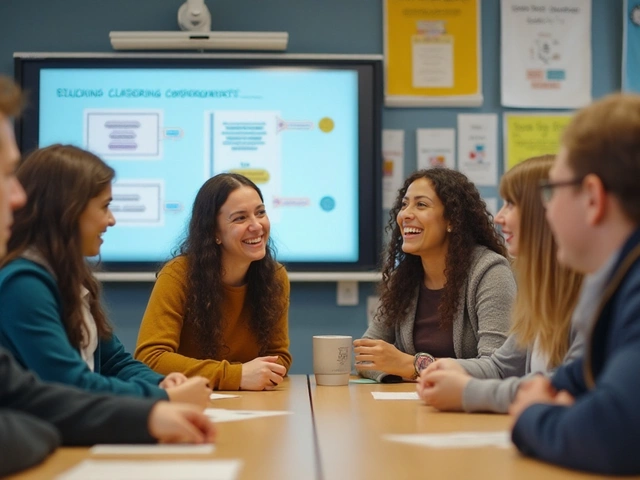
Many successful students use a hybrid model. They attend regular classes for breadth and social development but hire a tutor for targeted weaknesses. For example, a student might excel in English but struggle with Physics. Attending Physics class keeps them engaged with peers, while weekly tutoring sessions clarify complex concepts like electromagnetism before the exam.
This strategy maximizes resources. You pay for tutoring only where it yields the highest return on investment. It prevents the "over-tutoring" trap, where students become dependent on external help and lose the ability to self-study independently.

How to Choose What’s Right for You
Ask yourself these three questions before hiring a tutor:
- Is the issue conceptual or behavioral? If the student understands the material but lacks motivation, a strict tutor might help accountability. If they genuinely don’t understand the core concepts, tutoring is essential.
- Is there an imminent deadline? For long-term learning, classroom pacing works. For exams in six weeks, tutoring speed is unmatched.
- What is the budget? Can you sustain tutoring for a whole term? Short bursts of intense tutoring are often less effective than consistent, moderate support.
Remember, the best educator is the one who connects with the student. A brilliant tutor who clashes with the learner’s personality will achieve less than a decent classroom teacher who inspires confidence. Chemistry matters as much as methodology.
Frequently Asked Questions
Can tutoring replace school entirely?
Rarely. While homeschooling exists, pure tutoring usually complements school rather than replacing it. School provides accredited assessments, social structures, and a broad curriculum that is difficult to replicate solely through private sessions.
Is online tutoring as effective as in-person?
For older students with good digital literacy, yes. Studies show comparable outcomes for academic performance. However, younger children or those with attention deficits may struggle with screen fatigue and lack of physical presence, making in-person sessions preferable.
How many hours of tutoring are needed per week?
One to two hours per week is often sufficient for maintenance or minor improvements. Intensive exam prep might require three to four hours. More than that risks diminishing returns and burnout unless the student is severely behind.
Do tutors improve grades immediately?
Not always. Confidence grows first, then understanding deepens, and finally grades rise. Expect noticeable changes in attitude within two weeks, but significant grade shifts often take a full term or semester to reflect in formal assessments.
Is a certified teacher better than a university student tutor?
Certified teachers bring pedagogical training and curriculum expertise, ideal for complex learning difficulties. University students offer relatability and recent exam experience, often better for mentoring and basic subject clarification. Match the tutor's profile to the student's specific need.