



Home Schooling vs Traditional Schooling Comparison Tool
Explore the key differences between the two approaches, then build your own priority profile to see which model best fits your family.
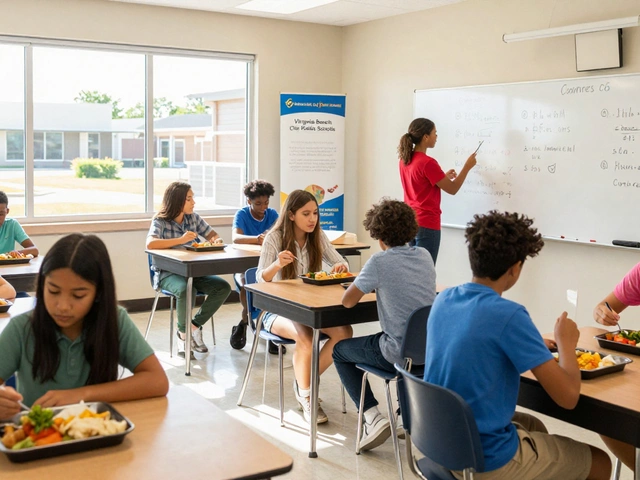
| Feature | Traditional Schooling | Home Schooling |
|---|---|---|
| Pacing | Uniform for all students | Individualized per child |
| Social Environment | Age-restricted peer group | Mixed-age community interactions |
| Time Management | Fixed schedule, commuting | Flexible schedule, no commute |
| Curriculum Control | Set by institution/state | Chosen by family |
| Primary Role of Parent | Supportive / Financial | Mentor / Facilitator |
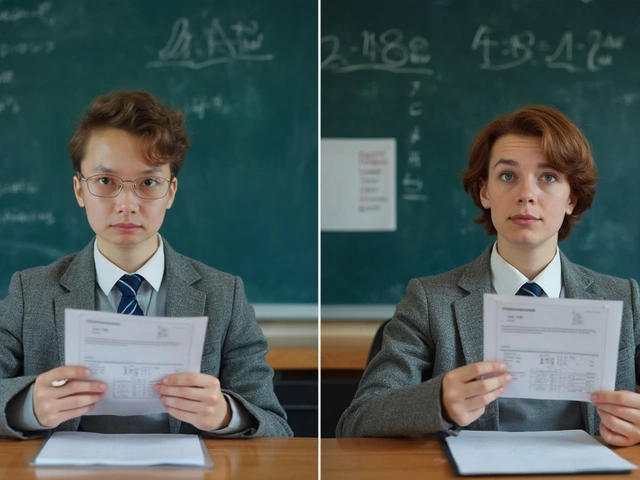
| Stress & Pressure | Grades, public performance, peer pressure | Lower stress, psychological safety |
| Cost Profile | Fees, uniforms, transport, activities | Materials, tutors, platforms; saves transport/fees |
| Future Skills | Compliance, teamwork in fixed groups | Adaptability, self-direction, independence |
Most people assume home schooling is just about keeping kids away from school buses and standardized tests. But if you look closer, the purpose of home schooling is far more nuanced than simply swapping one teacher for a parent. It’s a deliberate choice to restructure how knowledge is absorbed, socialized, and applied in daily life. For families in Ireland and beyond, this approach isn’t a rejection of education; it’s a different philosophy of what education should actually achieve.
When you step back from the rigid schedules of mainstream schools, you realize that traditional classrooms often prioritize compliance over curiosity. Home schooling flips this script. The core goal becomes nurturing critical thinking, independent research skills, and a genuine love for learning that doesn’t vanish when the bell rings. It’s about creating an environment where a child’s pace defines the journey, not the other way around.
Personalized Learning as the Core Driver
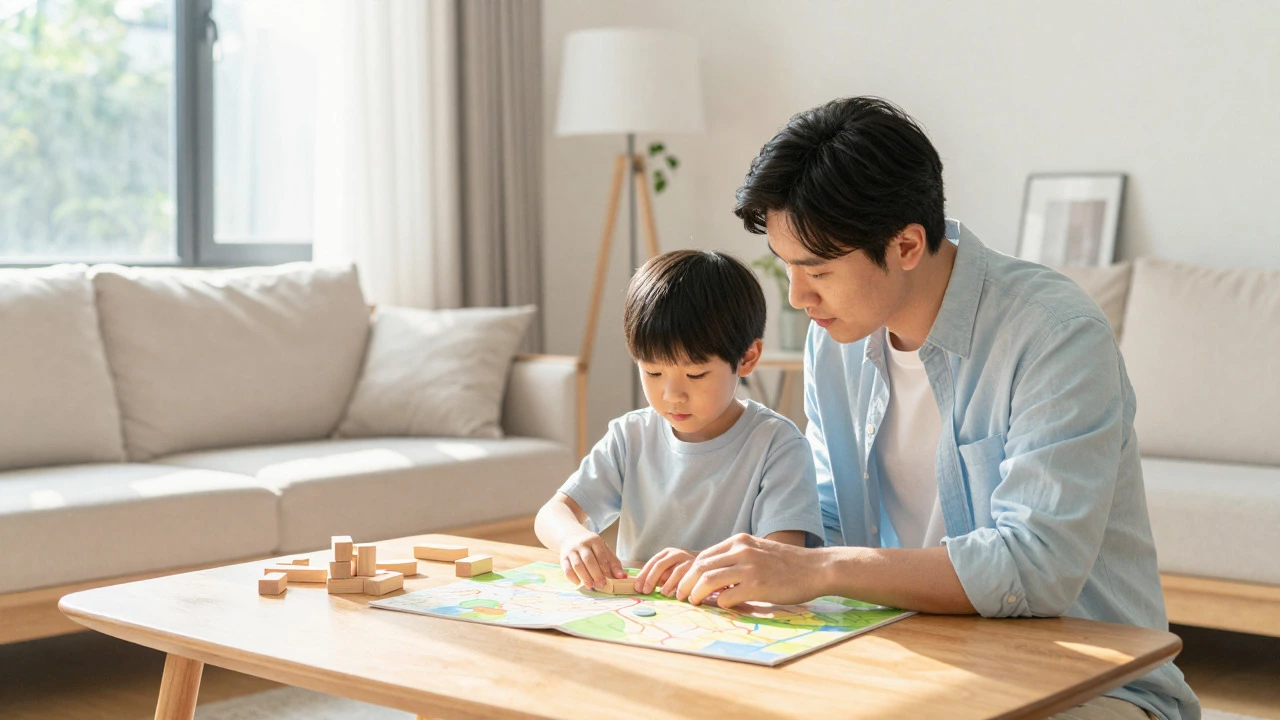
The most immediate benefit of home schooling is the ability to tailor instruction to the individual child. In a standard classroom of thirty students, a teacher must aim for the middle. This leaves advanced students bored and struggling students behind. At home, you can adjust the difficulty level instantly. If your daughter loves history but struggles with algebra, you don’t have to force her through generic worksheets. You dive deeper into historical contexts while using practical, real-world applications to make math click.
This personalization extends beyond academics. It covers learning styles. Some kids learn by reading, others by doing, and some by discussing. A traditional setting rarely accommodates all three simultaneously. In a home setting, you can switch methods mid-lesson without disrupting twenty other children. This flexibility ensures that concepts are understood deeply rather than memorized for a test and forgotten the next day.
Reclaiming Time and Reducing Stress
Let’s talk about time. The average student spends six to seven hours in class, plus travel time, plus homework. That’s a massive chunk of their childhood consumed by logistics. Home schooling eliminates the commute and the administrative overhead of large institutions. Suddenly, you have four or five hours of free time every day. What do you do with them? You use them for things that matter: sleep, play, creative hobbies, or deep dives into topics that fascinate the child.
Stress levels also drop significantly. There is no pressure to fit into a mold, no fear of public embarrassment during presentations, and no anxiety about grades defining self-worth. This lower-stress environment allows children to take intellectual risks. They ask harder questions because they aren’t afraid of being wrong in front of peers. This psychological safety is a huge part of why many home-schooled students excel in university later on.
Socialization: A Misunderstood Aspect
The biggest myth surrounding home schooling is that kids become isolated. In reality, home-schooled children often have richer social experiences because their interactions aren’t confined to a single age group. In a regular school, a ten-year-old only talks to other ten-year-olds. At home, they interact with adults, younger siblings, neighbors, and community members daily.
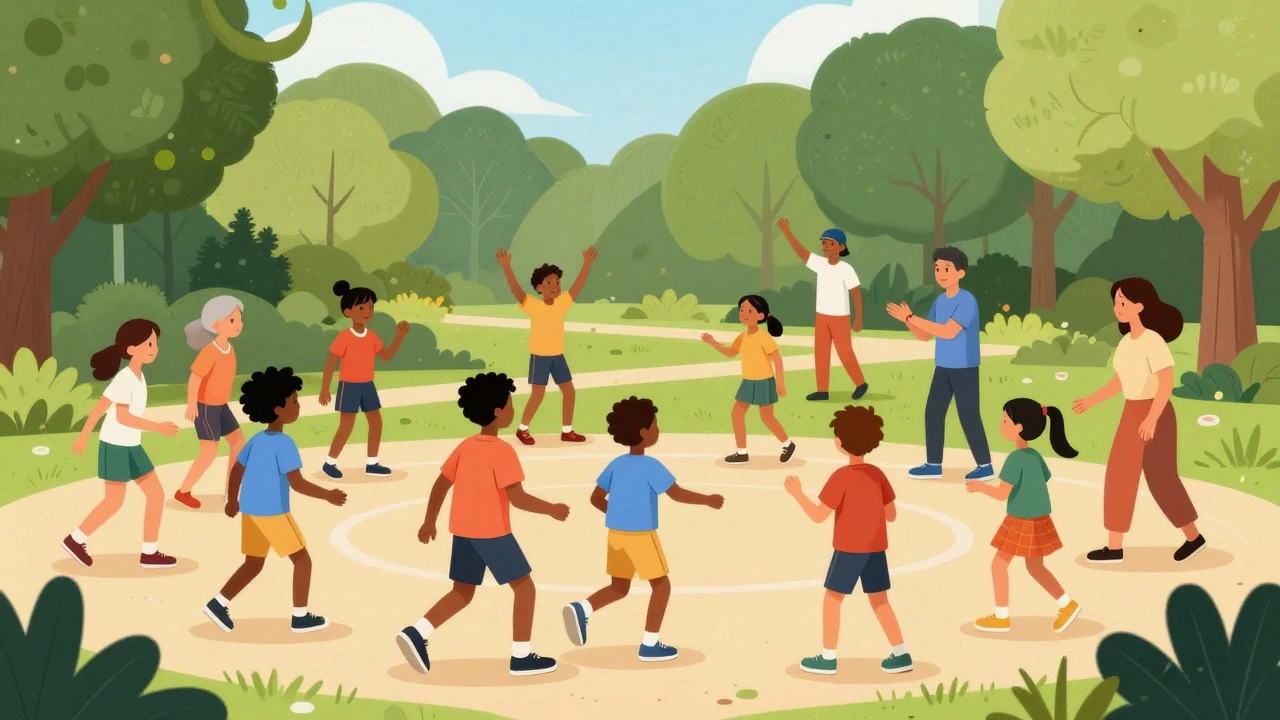
Furthermore, home-schooled families actively seek out co-op groups, sports teams, and local clubs. These activities provide structured social settings where children learn cooperation, conflict resolution, and teamwork. Because these interactions are chosen rather than assigned, they tend to be more meaningful. Children learn to navigate diverse social circles, a skill that serves them well in adulthood.
Curriculum Flexibility and Academic Depth
With home schooling, you are not bound by a national curriculum that may lag behind current industry trends or scientific discoveries. You can introduce coding, financial literacy, or environmental science at any age. You can pause a subject for a week to focus on a passion project. This agility means education stays relevant. Instead of teaching outdated facts, you teach how to find, verify, and apply information.
For example, if a child is interested in space, you can spend a month studying astronomy, physics, and engineering together. You visit a planetarium, build a model rocket, and read biographies of astronauts. This thematic approach connects disparate subjects, showing the child how knowledge is interconnected. It transforms education from a series of isolated silos into a cohesive web of understanding.
Economic and Logistical Considerations
While home schooling offers freedom, it comes with its own set of challenges. One major factor is cost. While you save on school fees and uniforms, you might spend money on specialized materials, tutors, or online platforms. However, for many families, the savings on transport and extracurricular fees outweigh these costs. It depends heavily on your location and resources. In Dublin, for instance, the lack of private school fees makes home schooling a viable option for those who want a bespoke education without the high price tag.
Logistically, it requires significant parental involvement. Someone needs to be available during the day to guide the learning process. This doesn’t mean teaching every subject like a professional teacher, but it does mean being present, organized, and willing to adapt. It’s a full-time commitment that reshapes the family dynamic. Parents become mentors rather than just authority figures. This shift can strengthen the parent-child bond, but it also requires clear boundaries to maintain a healthy relationship.
| Feature | Traditional Schooling | Home Schooling |
|---|---|---|
| Pacing | Uniform for all students | Individualized per child |
| Social Environment | Age-restricted peer group | Mixed-age community interactions |
| Time Management | Fixed schedule, commuting | Flexible schedule, no commute |
| Curriculum Control | Set by institution/state | Chosen by family |
| Primary Role of Parent | Supportive/Financial | Mentor/Facilitator |

Preparing for the Future Workforce
What kind of worker do we want our children to be? The modern job market values adaptability, self-direction, and communication skills over rote memorization. Home schooling naturally fosters these traits. Children who manage their own learning schedules develop strong time management and organizational skills early on. They learn to advocate for themselves, a crucial skill in any workplace.
Moreover, because home-schooled children often engage in project-based learning, they understand the lifecycle of a task from start to finish. They see the consequences of their decisions directly. This builds resilience and problem-solving abilities that are hard to replicate in a standardized testing environment. Employers increasingly look for candidates who can think independently, and home schooling provides a fertile ground for developing that mindset.
Common Challenges and How to Overcome Them
No path is without hurdles. One common challenge is the feeling of isolation among parents. Joining local home schooling networks or online forums can help. Sharing resources and experiences reduces the sense of being alone in this decision. Another challenge is maintaining structure. Without the external discipline of a school bell, routines need to be established internally. Creating a consistent daily rhythm helps children feel secure and productive.
Assessment is another area that causes anxiety. How do you know if your child is on track? You don’t need to rely solely on exams. Portfolios, project demonstrations, and periodic reviews with independent assessors can provide objective feedback. Many home-schooled students go on to sit standard exams like GCSEs or A Levels privately, proving that home schooling doesn’t preclude academic certification.
Frequently Asked Questions
Is home schooling legally recognized in Ireland?
Yes, home schooling is legal in Ireland. Parents have the right to educate their children at home, provided they ensure the education is suitable for the child's age and ability. You do not need permission from the state to start, but you should keep records of attendance and progress.
Do home-schooled children struggle with social skills?
Generally, no. Research suggests home-schooled children often have better social skills because they interact with people of various ages. However, active participation in community activities, sports, and co-ops is essential to ensure broad social exposure.
How much time does home schooling require from parents?
It varies, but expect to dedicate several hours a day to planning, teaching, and supervising. As children get older, they become more independent, reducing the direct teaching load. Younger children require more hands-on guidance.
Can home-schooled students take standard exams?
Yes. Students can register as private candidates for exams such as the Junior Certificate (JC) and Leaving Certificate in Ireland. They follow the same syllabus and sit the same papers as school students.
What is the main difference between home schooling and unschooling?
Home schooling usually follows a structured curriculum, even if flexible. Unschooling is a subset of home schooling where there is no formal curriculum, and learning is driven entirely by the child's interests and natural exploration.