


If you fail your GCSEs, it doesn’t mean your future is over. It just means you’ve hit a bump, not a dead end. Thousands of students face this every year, and most of them go on to build successful careers, go to college, or start apprenticeships. The truth is, GCSEs are just one step - not the whole journey.
What Does ‘Failing’ GCSE Actually Mean?
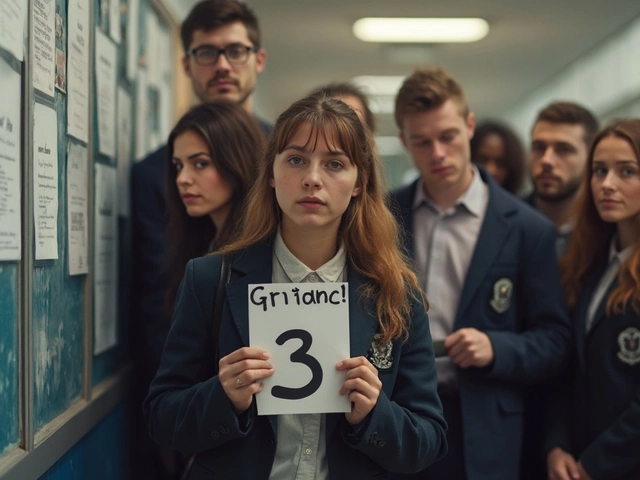
In England and Wales, a GCSE is graded from 9 to 1, with 4 being a ‘standard pass’ and 5 a ‘strong pass’. If you get a 3 or below, you’ve technically failed. But failing a GCSE isn’t like failing a driving test - it’s not a final verdict. It’s a signal that you need to try again, maybe with a different approach.
Most schools and colleges expect some students to fall short, especially in core subjects like English and Maths. These are the ones you’ll need to retake if you want to go to sixth form, college, or get certain jobs. If you failed both, you’ll likely be asked to retake them alongside other courses. If you only failed one, you might still be able to move forward - depending on your other grades and the institution you’re applying to.
What Happens Next? The Official Pathways
After results day, you’ll usually get a letter or email from your school or college with your options. Here’s what typically happens:
- You’re offered a retake opportunity in November or the following summer
- You’re guided toward a vocational course or BTEC if you’re struggling with academic subjects
- You’re encouraged to speak with a careers advisor or student support officer
- You’re given access to free revision resources through your school or local council
Many students don’t realize they can retake GCSEs while studying for other qualifications. For example, you could enroll in a Level 2 BTEC in Business and retake your Maths GCSE at the same time. Colleges often bundle retakes into their courses - you don’t have to go back to your old school.
You Don’t Have to Retake Everything
Not all GCSEs matter equally. If you failed History but got 7s in Science and English, you’re in a much better position than someone who failed English and Maths. The subjects that really count are English Language, English Literature, and Maths. Most employers, colleges, and apprenticeship programs require at least a grade 4 in these two.
Other subjects? They matter less. A grade 3 in Art or Drama won’t block your path. You can still apply to college, get a job, or start an apprenticeship. Many employers care more about your attitude, work ethic, and practical skills than your GCSE in Geography.
Retaking GCSEs: How It Works
Retakes are usually offered in November (for English and Maths only) or the following June. You can take them as a private candidate, through your old school, or at a local college. Most colleges let you retake for free if you’re under 19 and haven’t already passed.
Here’s what you need to do:
- Speak to your school’s exams officer by the end of July
- Decide which subject(s) to retake
- Choose whether to retake with your old school or at a college
- Register before the deadline (usually October for November exams)
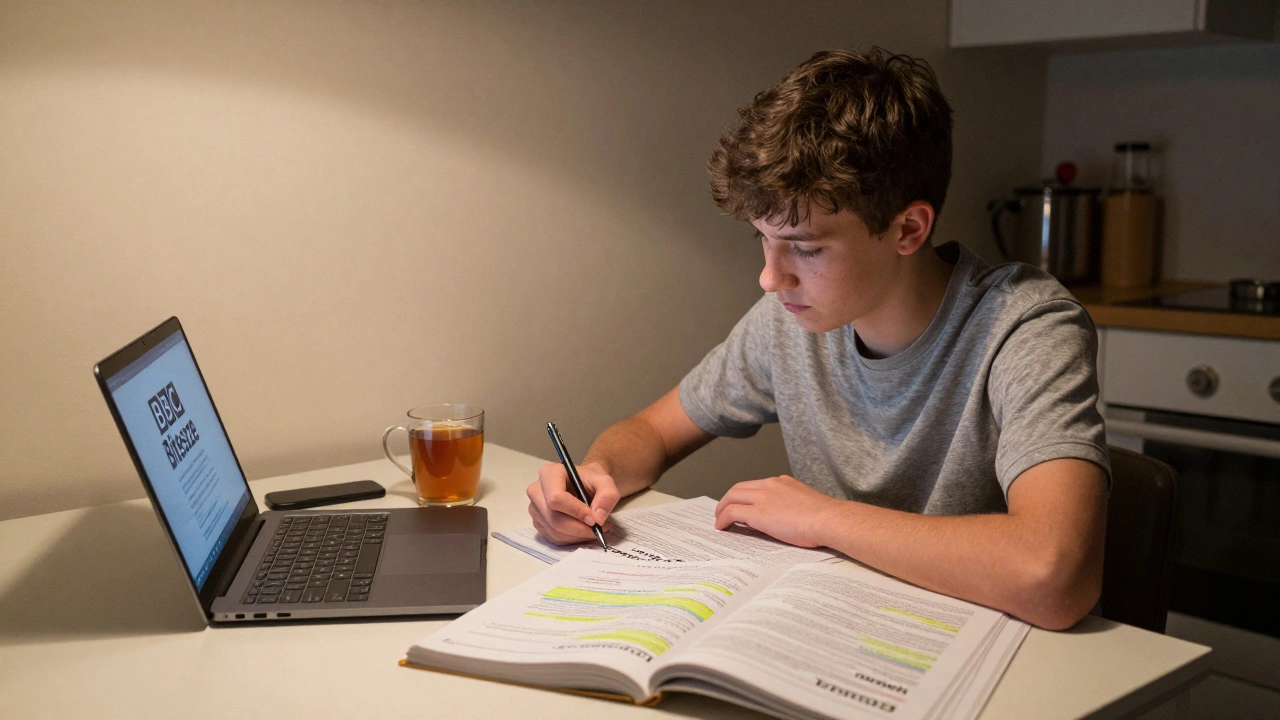
- Use past papers and free online resources like BBC Bitesize or ExamSolutions
Don’t just repeat the same study habits. If you failed because you crammed the night before, try spaced repetition. If you struggled with exam pressure, practice timed essays with a tutor or friend. Many students pass on their second try simply because they studied smarter, not harder.

What If You Can’t or Won’t Retake?
Not everyone wants to sit another exam. That’s okay. There are real alternatives that don’t require GCSEs.
Apprenticeships - Many Level 2 apprenticeships accept students with a grade 3 in English and Maths. Some even offer you the chance to study for your GCSEs while you work. You’ll earn a wage, gain experience, and get a qualification.
Entry-level courses - Colleges offer Foundation Learning programs for students who need to build basic skills. These can lead to Level 1 or Level 2 qualifications, including functional skills in English and Maths - which many employers accept as equal to GCSEs.
Vocational qualifications - BTECs, City & Guilds, and NVQs are hands-on and often more practical than GCSEs. You can get into fields like hairdressing, construction, IT support, or childcare without straight A’s.
One student I know from Dublin got a job as a kitchen assistant at 16 with a grade 2 in English. Two years later, she’s studying for her Level 3 in Hospitality and plans to run her own café. She never retake her GCSEs - and she didn’t need to.
Why People Regret Not Retaking
Many students who don’t retake GCSEs later regret it. Why? Because doors close quietly.
When you’re 18 and applying for a university course, a job, or a traineeship, you’ll be asked: ‘Do you have GCSEs in English and Maths?’ If you say no, you’ll often be ruled out before they even read your CV.
It’s not fair. But it’s real. A grade 4 in English and Maths opens up more options later - even if you don’t think you’ll need them now.
Think of it like a key. You don’t need it to get into every room, but without it, you’ll miss a lot of doors.
Emotional Impact: It’s Okay to Feel Down
Failing a GCSE can feel like a personal failure. You might feel embarrassed, ashamed, or like you’ve let your family down. That’s normal. But it’s not true.
GCSEs measure performance under pressure, not your worth. They don’t measure creativity, resilience, or how well you work with others. Those things matter more in real life.
Many successful people failed GCSEs. Richard Branson left school at 16 with only two O-Levels. J.K. Rowling was rejected by publishers and struggled with low grades. Failure doesn’t define you - how you respond does.
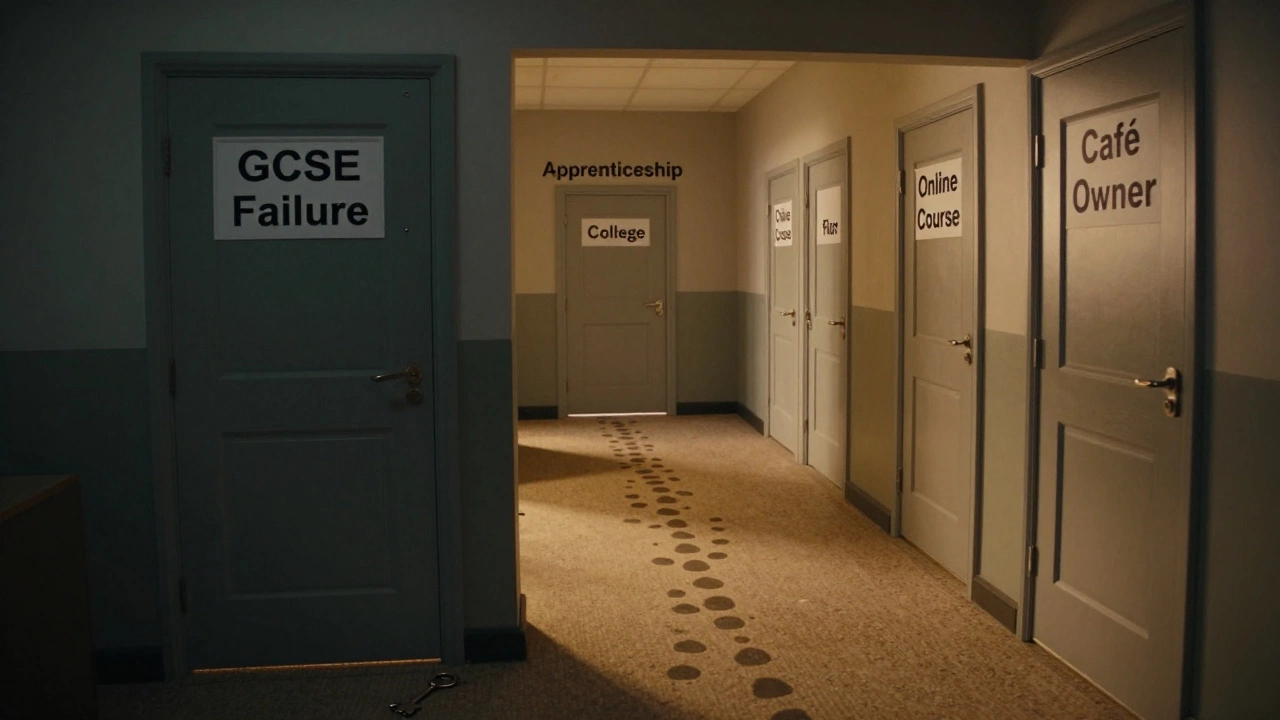
How to Move Forward Without Shame
Here’s what actually works:
- Don’t hide it. Talk to someone you trust - a teacher, parent, or friend.
- Don’t compare yourself to others. Everyone’s path is different.
- Focus on what you can control: your next step.
- Use free resources. Gov.uk, BBC Bitesize, and YouTube channels like CrashCourse have full GCSE revision guides.
- Ask for help. Most colleges have free study support, tutoring, and mental health services.
You don’t need to be perfect. You just need to keep going.
Final Thought: Your GCSEs Are Not Your Story
Your life isn’t decided by a single exam. It’s decided by what you do after. The person who retakes their Maths GCSE and gets a 6? They’re on their way. The person who takes a part-time job and learns coding on the side? They’re on their way too. The person who gives up? That’s the only real failure.
There’s no shame in starting over. There’s only shame in staying stuck.
Can I still go to college if I fail my GCSEs?
Yes. Many colleges accept students with lower GCSE grades, especially if you’re willing to retake English and Maths. Some offer foundation courses that lead to Level 2 or Level 3 qualifications. You might need to start with a Level 1 course, but that’s still a valid path to university or a career.
Do employers care if I failed my GCSEs?
It depends. For entry-level jobs, many employers care more about your attitude, punctuality, and willingness to learn. But for roles in banking, healthcare, teaching, or public sector jobs, they often require at least a grade 4 in English and Maths. If you’re aiming for those, retaking is worth it.
Can I retake GCSEs as an adult?
Absolutely. Adult learners can retake GCSEs at any age. Many local colleges offer evening or online classes for adults. Some even offer free courses through government programs like Skills for Life. It’s never too late to improve your qualifications.
Are functional skills easier than GCSEs?
Functional Skills in English and Maths are often seen as more practical. They focus on real-life skills like writing emails, understanding bills, or calculating percentages. Many people find them less stressful than GCSEs because they’re less exam-heavy and more coursework-based. Most employers and colleges accept them as equal to a grade 4 GCSE.
What if I fail my retake?
You can retake again. There’s no limit to how many times you can sit a GCSE. Most people pass on the second or third try. The key is changing your approach - get a tutor, join a study group, or try online revision tools. Don’t give up after one setback.
What to Do Right Now
If you’ve just seen your results and feel lost, here’s your next move:
- Don’t delete your results email. Keep it - it’s your starting point.
- Call your school’s exams office before Friday. Ask about retake options.
- Visit your local college website. Look for ‘Foundation Learning’ or ‘GCSE Retake’ courses.
- Bookmark BBC Bitesize and ExamSolutions. Start with one subject, one topic, one day.
- Talk to someone who’s been there. Ask a teacher, a cousin, or even search online forums. You’re not alone.
You’ve got options. You’ve got time. And you’ve got more strength than you think.