




Accommodation Finder for Learning Disabilities
Find the right support for students
Select a learning disability to see which accommodations can help your student succeed in school. Based on Universal Design for Learning principles and best practices from Irish education research.
The biggest problem for students with learning disabilities isn't that they can't learn. It's that the system keeps asking them to fit into a mold that was never designed for them.
Classrooms Built for One Kind of Mind
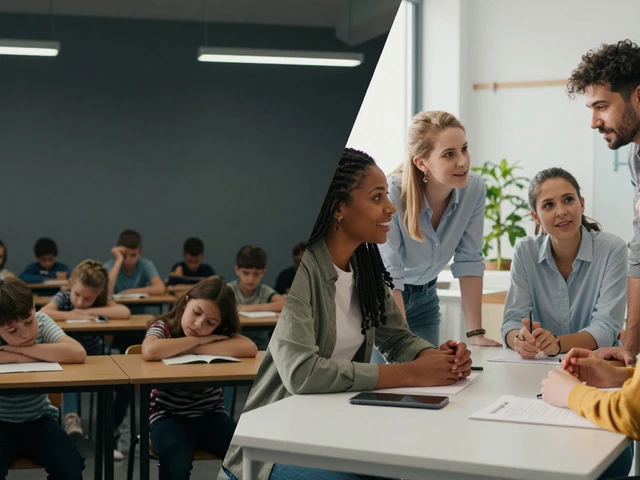
Most schools operate on a one-size-fits-all model. Lessons move at a set pace. Tests are timed. Reading is silent. Group work is expected. These aren't just teaching methods-they're assumptions about how brains work. And for students with learning disabilities like dyslexia, dyscalculia, ADHD, or processing disorders, these assumptions are barriers in disguise.In Ireland, one in five children shows signs of a learning difficulty by the time they reach third grade. Yet, many schools still rely on traditional instruction without adapting. A student with dyslexia might read slowly, but that doesn't mean they understand less. A child with ADHD might fidget during a lecture, but that doesn't mean they're not listening. The problem isn't the student. It's the lack of flexibility in how learning is measured and delivered.
Hidden Struggles, Visible Consequences
Students with learning disabilities often develop coping mechanisms that look like defiance, laziness, or disinterest. They might avoid reading aloud. They might stay quiet during class. They might turn in incomplete work. Teachers see behavior. They don't always see the neurological gap behind it.One 14-year-old student in Dublin, diagnosed with a language processing disorder, stopped raising her hand after two years of being called on in class. She knew her answers would come out jumbled. The other kids laughed. The teacher didn't intervene. By fifth year, she was failing English-not because she couldn't think, but because the system couldn't hear her.
These aren't rare stories. A 2024 study by the National Council for Special Education found that 68% of students with identified learning disabilities in Irish primary schools reported feeling ashamed of their struggles. Shame becomes a silent dropout risk.
Testing Doesn't Measure Understanding
Standardized testing is one of the biggest roadblocks. Timed exams, multiple-choice formats, written essays under pressure-these are not neutral tools. They're gatekeepers.A student with dysgraphia might have brilliant ideas but can't write them fast enough. A student with auditory processing disorder might miss key instructions during an oral exam. A student with working memory challenges might forget steps in a math problem halfway through.
Yet, accommodations like extra time, oral responses, or use of assistive tech are often delayed, denied, or treated as "special favors." They're not favors. They're equal access. The law says so. The Education for Persons with Special Educational Needs (EPSEN) Act in Ireland guarantees it. But implementation? That’s where it falls apart.
The Resource Gap
Schools in Ireland are underfunded. Special needs assistants (SNAs) are stretched thin. One SNA might be supporting six students across three classrooms. Special educational needs teachers (SETs) often cover multiple schools, traveling between them. That means students don’t get consistent, personalized support.Imagine needing help with reading every day, but your SET only comes once a week. Or needing speech-to-text software, but the school says it’s "too expensive." These aren’t hypotheticals. They’re daily realities in rural towns and urban classrooms alike.
There are 28,000 students in Ireland with diagnosed learning disabilities. But only 42% of them have access to an individualized education plan (IEP) that’s actually followed. The rest? They’re left to navigate a system that doesn’t see their needs as urgent.
Technology Can Help-If It’s Available
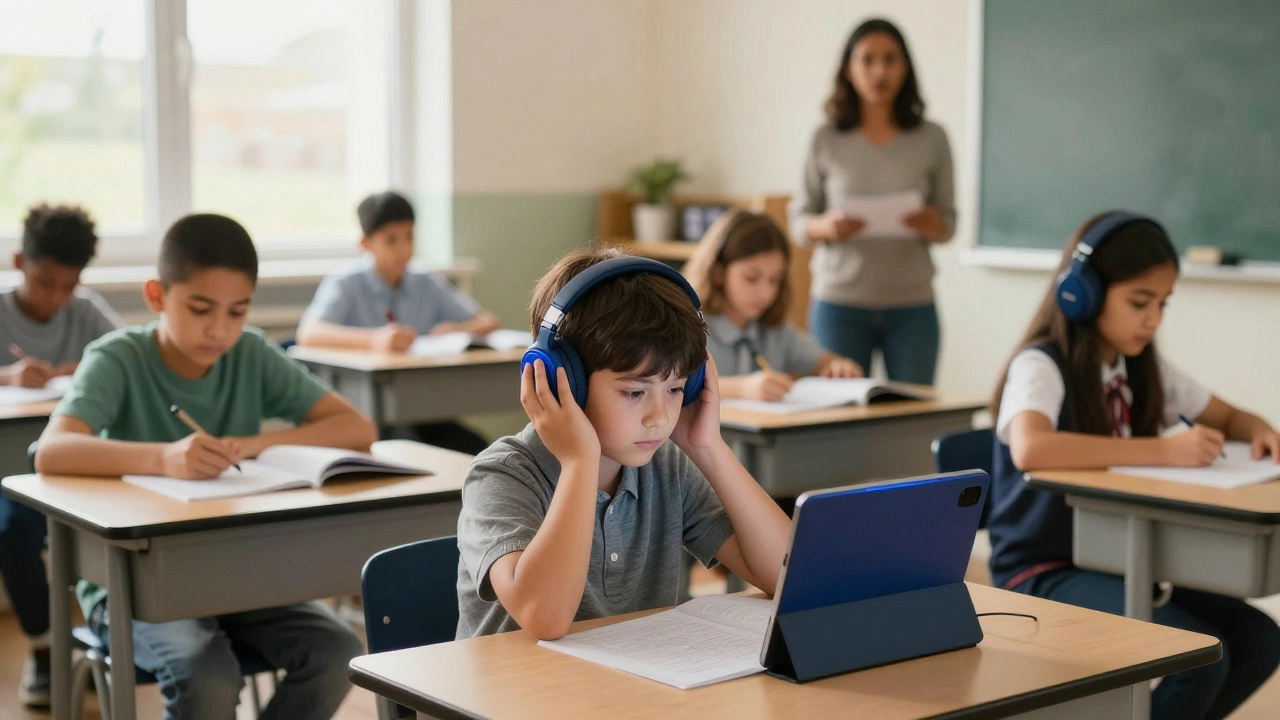
Tools like text-to-speech software, audiobooks, speech recognition, and visual organizers have transformed learning for many students. But access isn’t equal. A child with a laptop and headphones at home might thrive. A child without reliable internet or assistive tech at school? They’re left behind.Even when tools exist, teachers aren’t trained to use them. One teacher in Cork told me, "I know dyslexia students need audiobooks, but I don’t know how to set them up." That’s not ignorance-it’s a system failure. Training is optional. Funding is scarce. And tech that works wonders for one student might be locked behind a password or a licensing fee the school can’t afford.
Emotional Toll: The Invisible Curriculum
Beyond academics, students with learning disabilities face a hidden curriculum: the message that they’re not good enough. They hear it in sighs. In comparisons. In phrases like "Why can’t you just try harder?"By age 12, children with learning disabilities are twice as likely to show signs of anxiety or depression compared to their peers. By 16, they’re three times more likely to drop out. These aren’t just numbers. They’re broken confidence, lost self-worth, and quiet resignations.
One boy in Limerick, diagnosed with dyscalculia, stopped doing homework after his teacher wrote "This is not acceptable" on his math sheet. He was 10. He didn’t say a word. He just stopped trying.
What Actually Works
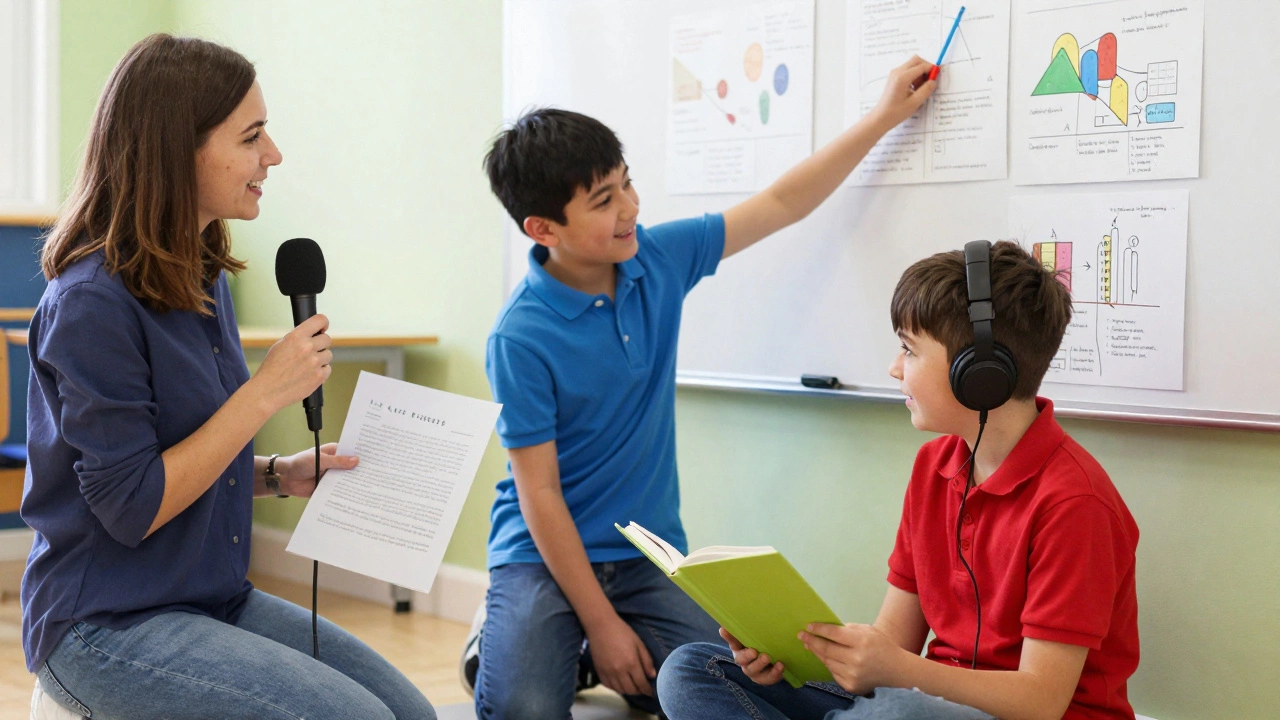
When schools get it right, the results are clear. Schools that use Universal Design for Learning (UDL) see higher engagement, better attendance, and improved outcomes across the board. UDL means offering multiple ways to learn-visual, auditory, hands-on-and multiple ways to show what you know-oral presentation, video, diagram, project.At St. Mary’s Primary in Galway, teachers stopped grading handwriting. They started accepting voice recordings for essays. They gave students choice in how they studied-some used flashcards, others made podcasts. Within two years, the number of students meeting reading targets jumped from 41% to 78%.
It’s not about lowering standards. It’s about removing unnecessary barriers. The goal isn’t to make learning easier. It’s to make learning possible.
Change Is Possible-But It Needs Action
The biggest problem isn’t the disability. It’s the refusal to adapt. Every child learns differently. The system needs to reflect that.Here’s what needs to change:
- Every student with a learning disability needs a real IEP-not a form filled out once a year, but a living plan reviewed every term with input from the student.
- Assistive tech must be funded-not as a luxury, but as a basic tool, like pencils or textbooks.
- Teachers need mandatory training-not a one-hour workshop, but ongoing, practical education on how to support diverse learners.
- Testing must be flexible-timed exams should be optional, not default. Oral exams, extended time, and alternative formats should be standard.
- Student voice matters-ask them what helps. They know.
There are no magic solutions. But there are simple ones. And they’re already working in classrooms across Ireland. The question isn’t whether we can change-it’s whether we’re willing to.
What are the most common learning disabilities in students?
The most common include dyslexia (difficulty with reading), dyscalculia (difficulty with math), dysgraphia (difficulty with writing), and ADHD (attention and focus challenges). Processing disorders-like auditory or visual processing issues-are also frequent. These aren’t about intelligence. They’re about how the brain takes in, stores, and expresses information.
Can students with learning disabilities succeed in school?
Absolutely. Many students with learning disabilities go on to thrive in higher education and careers. Success comes not from fixing the student, but from fixing the environment. Schools that use flexible teaching methods, provide assistive tools, and listen to student feedback see these students excel. The barrier isn’t ability-it’s access.
Why don’t schools provide more support?
Funding gaps, lack of training, and outdated policies are the main reasons. Special needs assistants and teachers are often overworked. Assistive technology is expensive and not always covered by budgets. And many schools still operate under old assumptions-that learning looks one way, and that’s it. Change requires political will, not just good intentions.
What’s the difference between a learning disability and being a slow learner?
A learning disability is a neurological difference that affects how information is processed, even when intelligence is average or above. A slow learner may need more time or repetition but doesn’t have a specific neurological disconnect. Learning disabilities aren’t about effort-they’re about brain wiring. That’s why generic help like "try harder" doesn’t work.
How can parents help if the school isn’t supporting their child?
Document everything-grades, teacher comments, behavior changes. Request a formal assessment in writing. In Ireland, parents have the right to ask for a Special Educational Needs Organiser (SENO) meeting. Bring evidence of your child’s struggles and ask for an Individual Education Plan (IEP). If the school refuses, contact the National Council for Special Education (NCSE). You’re not asking for special treatment-you’re asking for your legal right to equal access.