



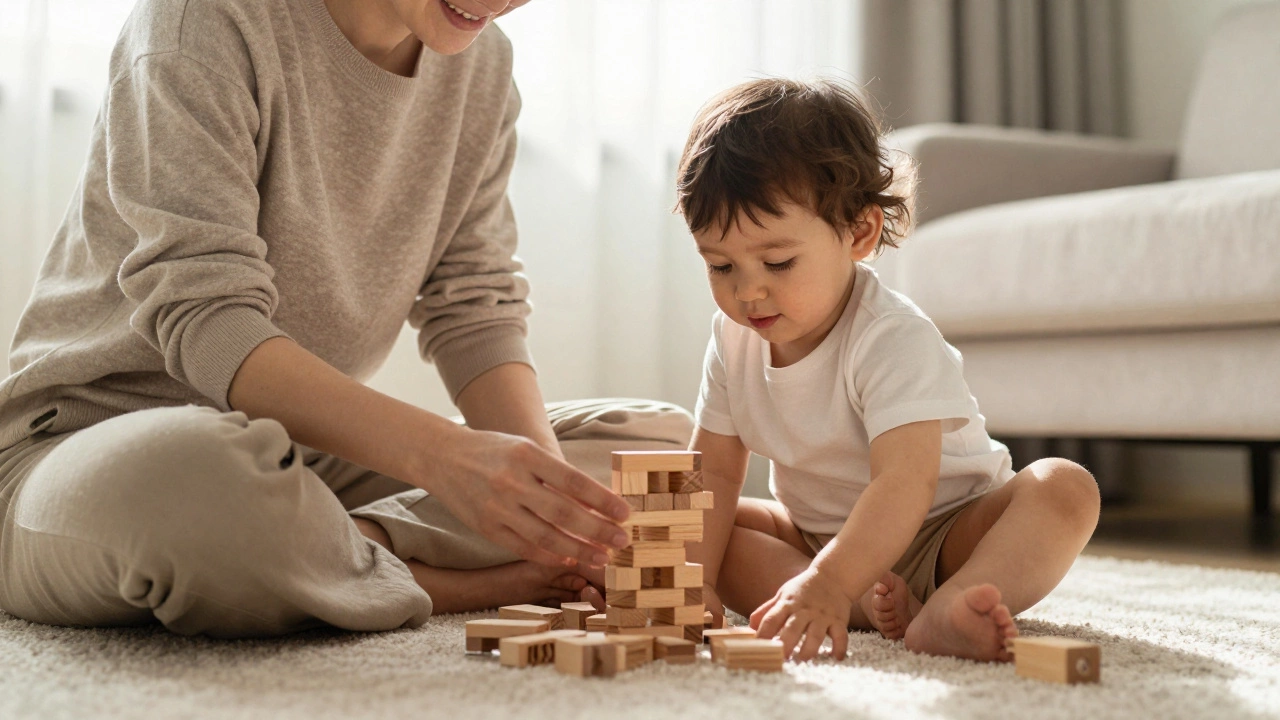
Early years education isn't just about teaching toddlers their ABCs or counting to ten. It’s the quiet, powerful foundation that shapes how a child learns, thinks, and interacts with the world for the rest of their life. If you’ve ever watched a two-year-old figure out how to stack blocks or a four-year-old tell a story about their imaginary friend, you’ve seen early years education in action. It’s not a curriculum you buy or a lesson plan you follow. It’s the sum of every conversation, game, song, and moment of curiosity that happens before formal schooling begins.
It Starts With Relationships, Not Lessons
Many people think early years education means structured activities - flashcards, worksheets, or screen-based learning apps. But research from the Early Years Foundation Stage in the UK and the Head Start program in the U.S. shows something different. The most important factor isn’t what children are taught, but who they’re with. A warm, responsive adult who listens, responds, and plays alongside a child builds something no textbook can: trust. That trust becomes the engine for learning. A child who feels safe and seen is far more likely to explore, ask questions, and take risks - even if they fail at building a tower of blocks three times in a row.
Play Is the Curriculum
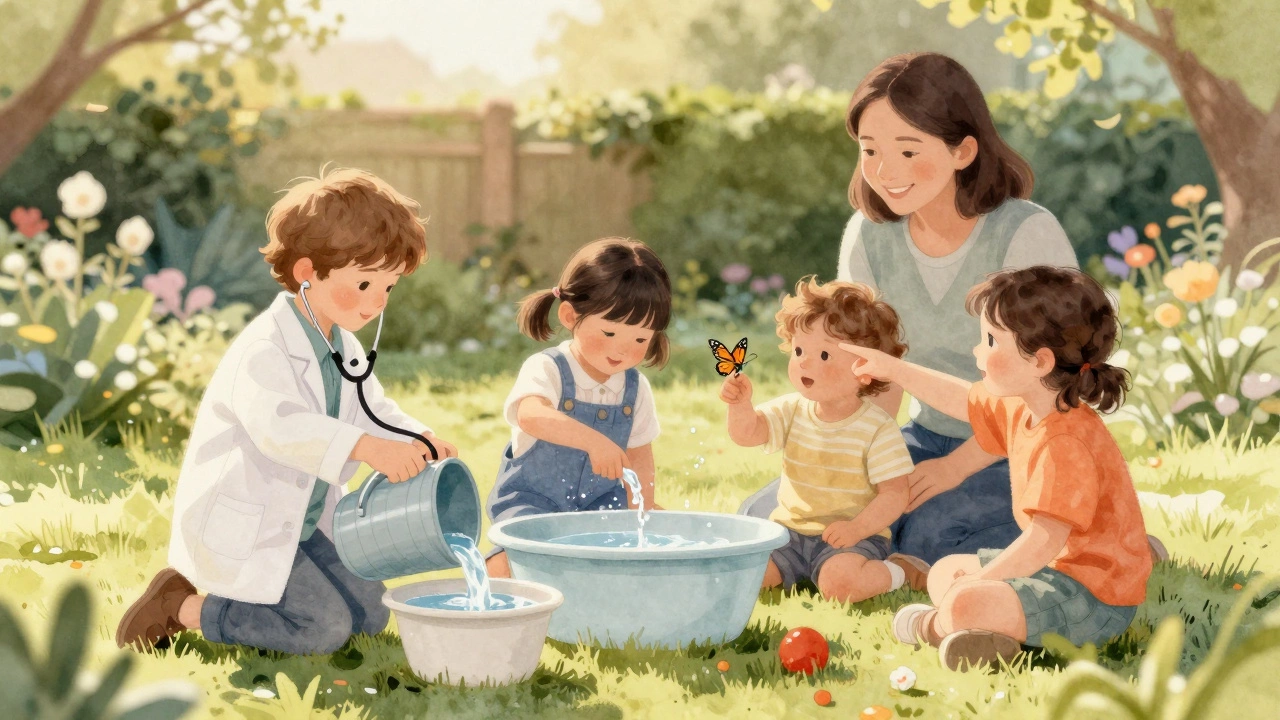
When a child pretends to be a chef, a doctor, or a spaceship pilot, they’re not just having fun. They’re practicing problem-solving, language, emotional regulation, and social rules. A 2023 study by the University of Cambridge tracked 1,200 children in play-based preschools and found they outperformed peers in structured academic settings in three key areas: impulse control, vocabulary growth, and ability to work in groups. That’s not luck. Play builds neural pathways. When kids negotiate who gets the red crayon or figure out how to make a cardboard box into a dragon, they’re learning math, science, and empathy without realizing it.
Language Is the Bridge
By age three, children from language-rich homes hear an average of 30 million more words than those from less verbal environments, according to the landmark Hart & Risley study. That gap doesn’t disappear. It grows. Early years education closes it by making language alive. Talking about the texture of mud, describing the sound of rain, asking open-ended questions like “What do you think will happen next?” - these aren’t just nice to have. They’re essential. Children who hear rich, varied language before age five develop stronger reading skills by age eight. That’s not magic. It’s neuroscience.
Emotional Skills Are Just as Important as Math
Can a three-year-old understand fairness? Yes - if they’ve had the chance to experience it. Early years education helps children name their feelings, understand others’, and learn how to calm down when they’re upset. A child who learns to say “I’m mad because you took my toy” instead of hitting is building emotional intelligence. That skill matters more in adulthood than knowing the capital of France. A 2024 longitudinal study from Cambridge University found that children who demonstrated strong self-regulation at age four were 50% more likely to graduate high school and hold steady jobs by age 25. Emotional regulation isn’t a soft skill. It’s a survival skill.
It’s Not One Size Fits All
Some families think early years education means enrolling kids in expensive preschools. Others believe it’s just staying home with Mom or Dad. The truth? It’s about quality of interaction, not location or cost. A child playing with recycled bottles and cardboard tubes at home, while an adult asks questions and joins in, is getting the same essential experience as a child in a high-tech nursery. What matters is that the child is seen, heard, and given space to explore. A child in a rural village with no toys but plenty of songs, stories, and outdoor time can thrive just as much as one in a city with a full classroom of Montessori materials.
What Happens If It’s Missing?
When early years education is neglected - when children spend hours in front of screens with little human interaction, or when caregivers are overwhelmed and have no support - the effects show up later. Children enter school behind. They struggle to sit still. They don’t know how to share. They shut down when challenged. By age seven, these gaps are hard to close. That’s why early years education isn’t a luxury. It’s prevention. It’s the cheapest, most effective way to reduce future costs in special education, healthcare, and even crime.
The Role of Adults - Parents, Carers, Teachers
You don’t need a degree to give a child the best start. You need presence. Look them in the eye. Slow down. Let them lead. Say “Tell me more” instead of “That’s right.” Celebrate effort, not just results. A child who learns that mistakes are part of learning won’t fear failure later. A child who knows their voice matters will grow up to speak up - in class, at work, in life.
Early years education isn’t about preparing children for school. It’s about preparing them for life. And it starts the moment they’re born - with a hug, a song, a shared laugh, or the quiet moment when you watch them stare at a leaf and wonder why it moves.
Is early years education the same as preschool?
Not exactly. Preschool is one setting where early years education can happen, but it’s not the only one. Early years education refers to the learning and development that takes place from birth to age five - whether at home, in daycare, in a nursery, or in a community playgroup. What matters is the quality of interactions, not the location or the label.
Can parents do early years education at home?
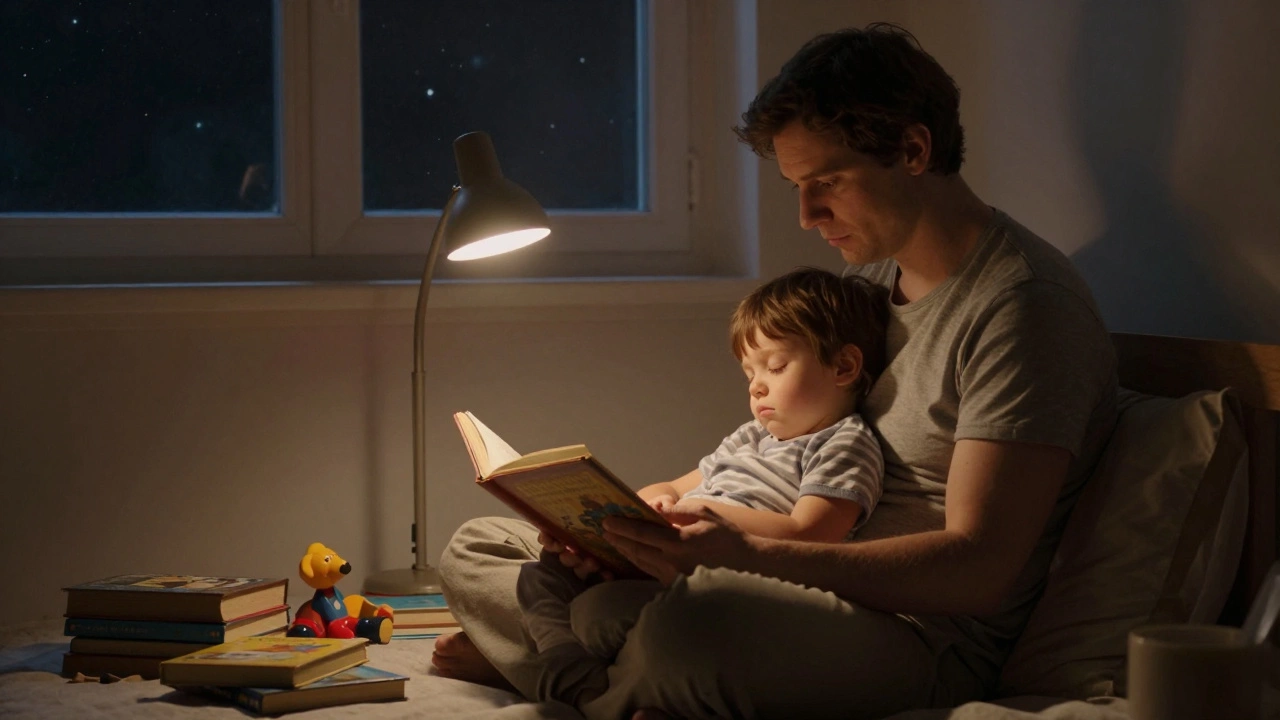
Absolutely. In fact, most early learning happens at home. Talking during meals, reading bedtime stories, playing hide-and-seek, singing songs, and exploring the garden are all powerful learning moments. You don’t need special toys or programs. Just attention, patience, and a willingness to follow your child’s curiosity.
What if my child isn’t talking yet?
Every child develops at their own pace. But if a child isn’t using any words by 18 months, or isn’t responding to their name or pointing to objects by age two, it’s worth talking to a pediatrician or early years specialist. Early intervention works best when it starts early. Even small delays in language can affect later learning if they’re not supported.
Is screen time bad for early years education?
Screens aren’t inherently bad, but they can’t replace human interaction. The American Academy of Pediatrics recommends no screen time for children under 18 months, except for video calls. For kids 18-24 months, only high-quality content with a parent present is advised. After age two, limit it to one hour a day of educational programming. Real learning happens when a child is talking, touching, moving, and connecting with people - not watching a screen.
How do I know if my child is getting enough early years education?
Look for signs of curiosity: Does your child ask questions? Do they try new things, even if they fail? Do they enjoy stories, songs, or playing with others? These are better indicators than whether they can count to ten or recognize letters. If they’re engaged, exploring, and feeling safe, they’re getting what they need.