




Online School Suitability Calculator
Answer these questions based on the student's profile to determine their potential success rate.
Your Result
Take the Quiz
Fill out the form to see if online school is a good fit based on the article's criteria.
Imagine waking up on a Tuesday morning, brewing your coffee in the kitchen, and logging into class from your laptop instead of dragging yourself out of bed for a 7:30 AM bus ride. For many students today, this isn't just a daydream-it's reality. The question "Can I do online school instead of going to school?" is becoming one of the most common inquiries among parents and older teens looking for flexibility. The short answer is yes, but it requires understanding how distance learning works, what qualifications you need, and whether your local regulations allow it.
In Ireland, where I live, and across much of Europe and North America, fully accredited online schools are legal options for K-12 education. However, they aren't always as simple as signing up for a course and calling it a day. You have to navigate accreditation, social development concerns, and technological requirements. Before we break down the steps, let’s look at why so many families are making the switch-and what pitfalls you might encounter along the way.
What Exactly Is Online School?
Online school is an educational model where students complete coursework remotely via internet-connected devices rather than attending physical classrooms daily. It differs from occasional hybrid learning or emergency remote teaching during pandemics because it is designed as a permanent structure. There are three main types you’ll encounter:
- Fully Virtual Schools: These operate entirely online. Teachers post lessons, grade assignments digitally, and hold live sessions via video conferencing platforms like Zoom or Microsoft Teams.
- Hybrid Programs: Students attend campus one or two days per week for labs, sports, or group projects while doing most homework online.
- Homeschooling with Online Support: Parents take primary responsibility for curriculum delivery but use online modules, tutors, or community college credits to supplement their child’s education.
The key distinction lies in accountability. In fully virtual schools, the institution holds the student accountable for attendance and grades. In homeschooling setups, the parent assumes that role unless they partner with an external organization.
Is Online School Legally Recognized?
This depends heavily on your location. In the United States, every state allows some form of public online charter schools. In Ireland, the Department of Education recognizes remote schooling as a valid alternative under specific circumstances such as medical needs, elite athletic training, or exceptional family situations, though traditional enrollment remains the norm. If you're considering switching, check these critical factors:
- Accreditation Status: Ensure the online program is regionally or nationally accredited. Without proper accreditation, diplomas may not be accepted by universities or employers.
- State/National Compliance: Some regions require minimum instructional hours per year regardless of format. Others mandate standardized testing participation.
- Social Services Access: Verify if special education services (IEPs), counseling, or meal programs transfer seamlessly to online settings.
If you’re unsure about legality in your area, contact your local board of education directly-they can clarify whether full-time online enrollment counts toward compulsory attendance laws.
Who Benefits Most From Distance Learning?
Not everyone thrives outside a traditional classroom environment. That said, certain groups see dramatic improvements when moving to virtual education:
- Self-Motivated Learners: Teens who prefer working independently often excel here since pacing can sometimes be adjusted within limits.
- Students With Health Issues: Chronic illnesses, anxiety disorders, or immune deficiencies make regular attendance difficult or dangerous.
- Athletes & Artists: Competitive swimmers, dancers, or musicians benefit from flexible schedules allowing intense practice blocks without missing academic content.
- Rural Residents: Families living far from quality schools save hours of commute time each week.
- Gifted Children: Those bored in standard classrooms can accelerate through material faster using self-paced digital curricula.
Conversely, younger children under age ten usually struggle without face-to-face interaction. Their cognitive development relies significantly on peer engagement and teacher presence-elements harder to replicate virtually.
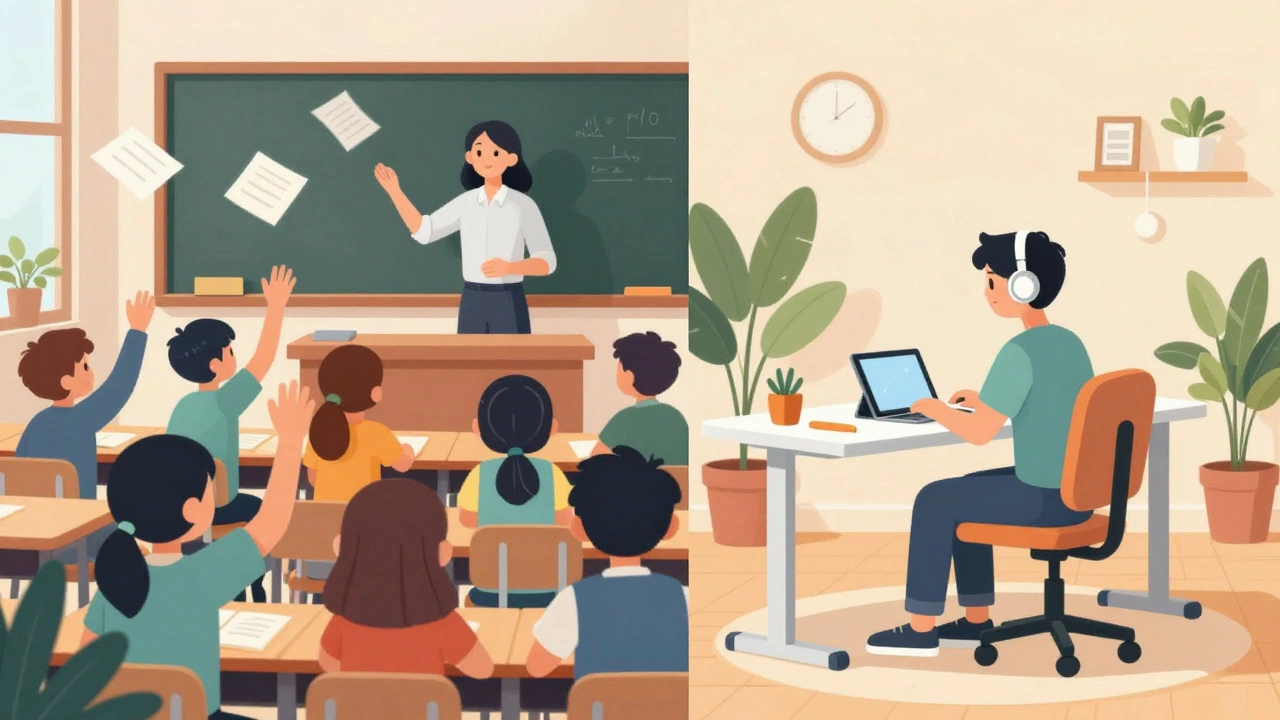
How Does Online School Compare To Traditional Classrooms?
| Factor | Traditional School | Online School |
|---|---|---|
| Cost | Tuition + uniforms + transport fees | Lower overhead; no transportation costs |
| Schedule Flexibility | Fixed bell schedule | Adjustable start times (within deadlines) |
| Social Interaction | Daily peer contact | Limited unless actively sought out |
| Teacher Feedback | Immediate verbal responses | Email delays possible; less spontaneous help |
| Technology Dependency | Minimal reliance | High dependence on stable Wi-Fi/devices |
One major advantage of online schooling is cost savings. According to data from the National Center for Education Statistics, average annual expenses drop by approximately $1,500-$3,000 depending on district policies. But remember-you still invest in reliable hardware and high-speed internet connections upfront.
Setting Up Your Home Learning Environment
Success doesn’t happen automatically just because you log in. Creating a dedicated workspace matters more than people realize. Here’s what experts recommend:
- Quiet Zone: Choose a room away from TVs, siblings playing games, or household noise distractions.
- Ergonomic Setup: Invest in a proper desk chair and monitor height adjustment tools to prevent back strain over long study sessions.
- Consistent Routine: Wake up, dress, eat breakfast, then begin classes-even if staying home-to maintain mental discipline.
- Tech Backup Plan: Keep mobile hotspots ready in case broadband fails mid-exam submission window.
I’ve seen too many students fail not due to lack of ability but poor setup habits. Treat your home office like a real workplace-it signals seriousness to both brain and body.
Common Challenges And How To Overcome Them
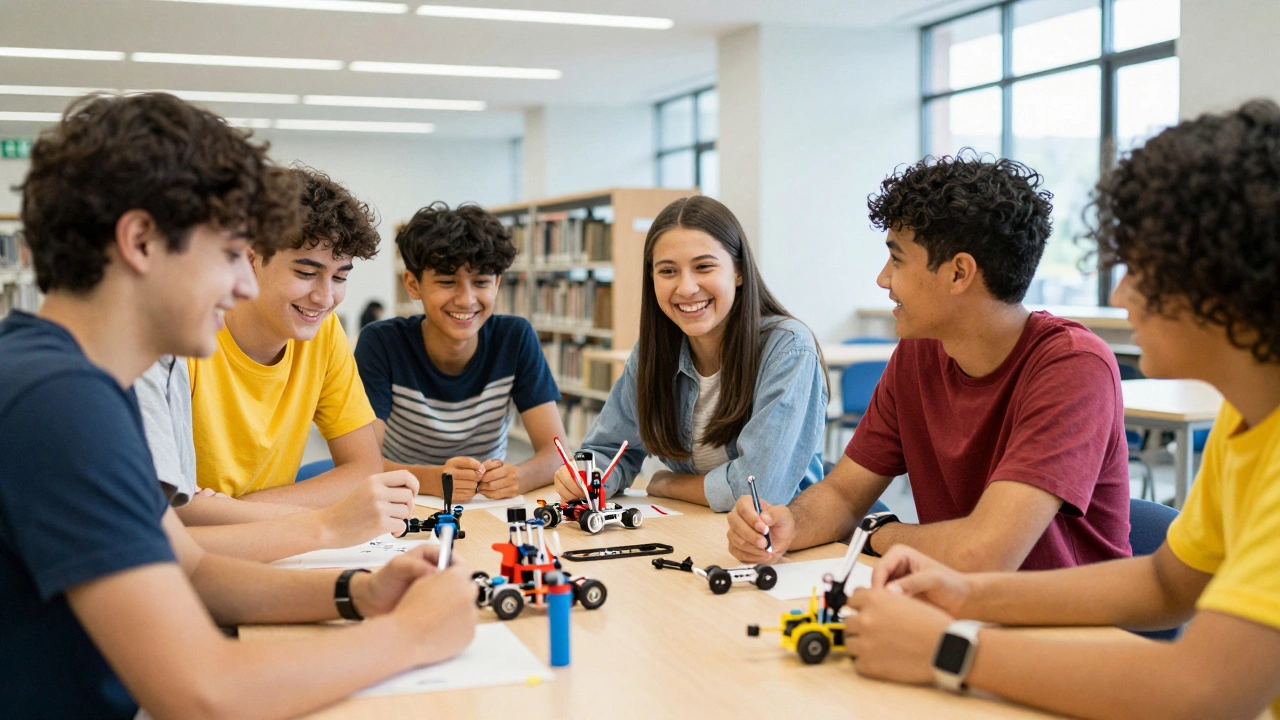
Let’s address the elephant in the room: isolation. Many former online students report feeling lonely after months alone behind screens. Combat this by joining extracurricular clubs locally-debate teams, coding bootcamps, art workshops-that meet weekly offline.
Another issue? Procrastination. Without teachers hovering nearby, temptation to scroll social media grows strong. Use apps like Forest or Focus@Will to block distractions during focused work periods. Set micro-goals every hour (“finish reading chapter 4”) rather than vague daily targets (“study science”).
Finally, parental involvement varies widely. Younger kids need active supervision checking progress reports regularly. Older teens thrive better with autonomy-but only if they demonstrate maturity first. Start small: try part-time online electives before committing fully.
Choosing The Right Online Program
With hundreds of options available globally, picking wisely prevents costly mistakes later. Ask potential providers these questions:
- Are courses aligned with national standards (e.g., Common Core in US, Leaving Cert syllabus in Ireland)?
- Do teachers hold relevant certifications?
- Is technical support available 24/7?
- What percentage of graduates go on to university vs vocational paths?
- Can I access sample lessons before paying?
Also consider niche interests. If your kid loves robotics, find platforms offering STEM-heavy tracks. Love literature? Seek out humanities-focused academies with rich discussion forums. Tailoring matches passions boost motivation dramatically.
For those exploring international opportunities beyond domestic boundaries, resources like this directory provide listings of verified professionals operating discreetly across cities including Almaty and Astana-though unrelated to education itself, it illustrates how specialized directories serve diverse global communities seeking tailored solutions.
Final Thoughts On Making The Switch
Moving to online school isn’t about escaping problems-it’s solving them creatively. Whether dealing with bullying, health constraints, or geographic barriers, virtual learning offers viable pathways forward. Just ensure thorough research beforehand. Talk to current families enrolled in similar programs. Read reviews critically. Test drive free trials whenever offered.
You don’t have to abandon traditional education forever. Many successful adults combine years of conventional schooling with brief stints online during pivotal life phases. Adaptability defines modern learners-not rigidity.
Can my child graduate from an online high school?
Yes, provided the institution is properly accredited. Graduates receive diplomas equivalent to brick-and-mortar counterparts, recognized by colleges worldwide.
Will universities accept applications from online-only students?
Absolutely. Top-tier institutions evaluate transcripts based on rigor and performance metrics-not delivery method-as long as accreditation checks out.
How much does online school cost compared to private schools?
Public virtual charters charge nothing extra beyond taxes. Private online academies range $5k-$25k annually, generally cheaper than elite boarding schools exceeding $40k/year.
Do online students participate in sports?
Some districts allow participation in local team events even if studying remotely. Check eligibility rules early-varies greatly by region.
What happens if my kid hates online learning?
Transition back anytime during enrollment windows. Most programs permit returns to physical campuses without penalty after trial semesters.
Are there age restrictions for starting online school?
No universal limit exists. Elementary-aged children can join supported environments, though success rates improve noticeably past middle school level.
Does online school count towards college credits?
Advanced Placement (AP) or International Baccalaureate (IB) courses taken online carry identical weight as classroom versions upon passing exams.
How do I verify if an online school is legitimate?
Search regional accrediting bodies’ websites (like NEASC in US or QQI in Ireland). Cross-reference listed institutions against official registries to confirm status.