




Learning Disability Impact Simulator
Configure Scenario
Adjust the factors below to see how they affect the visibility of a learning disability.
Simulation Results
Neurological Status
Lifelong Difference
Cognitive Energy Cost
Very High
Analysis:
Adjust the settings on the left to see how interventions and technology change the daily experience of living with a learning disability.
Recommended Accommodations:
- • Select options to generate recommendations
You might have heard the comforting lie that children "grow out" of their learning difficulties. It’s a popular myth, often repeated by well-meaning relatives or even outdated educational materials. The short answer is no. A specific learning disability is a lifelong neurological condition that affects how the brain processes information. It does not vanish like a childhood rash.
However, saying it never goes away doesn’t mean your life is set in stone. While the underlying wiring of the brain remains different, the *impact* of that difference can change dramatically over time. Many people learn to manage their challenges so effectively that they become invisible to others. This distinction between the condition and its symptoms is crucial for parents, educators, and adults navigating this reality.
The Neuroscience: Why It Doesn't Disappear
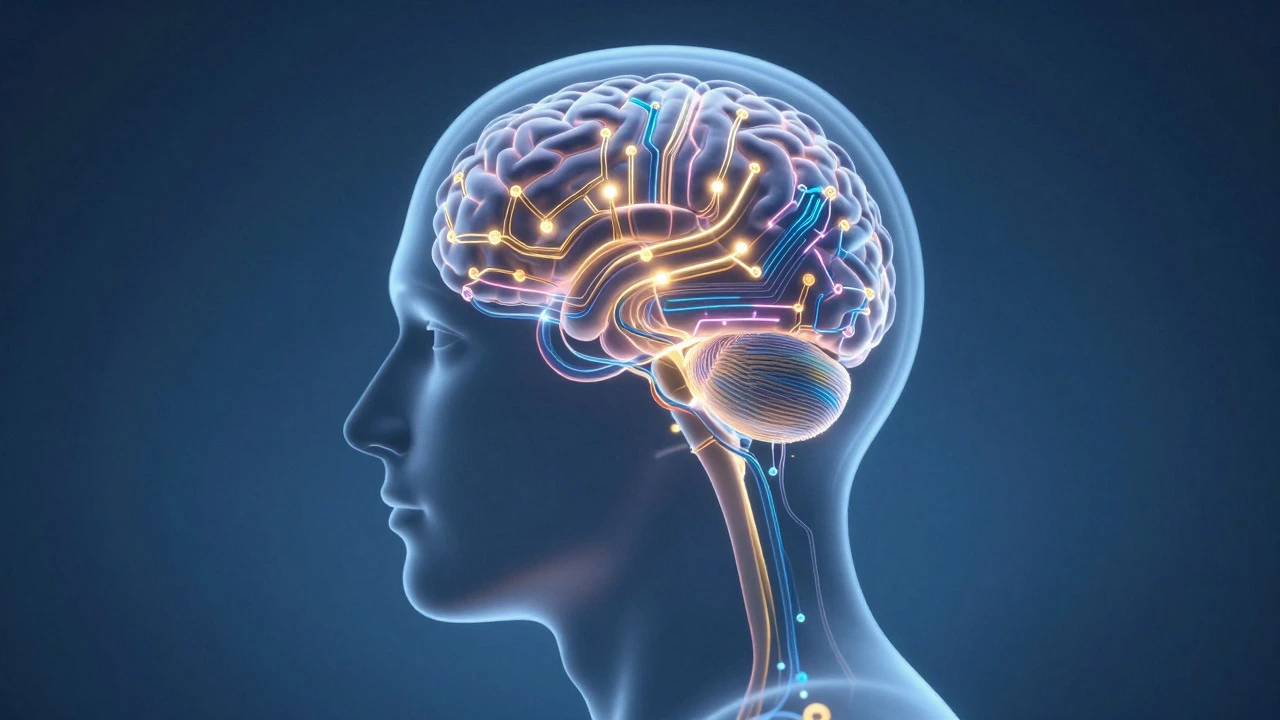
To understand why these conditions persist, we need to look at what they actually are. A specific learning disability is not a result of low intelligence, lack of effort, or poor teaching. It is a structural and functional difference in the brain.
Conditions like dyslexia is a difficulty with accurate or fluent word recognition and spelling,, dyscalculia (difficulty with math), and dysgraphia (difficulty with writing) involve how neural networks connect and communicate. For example, in dyslexia, the areas of the brain responsible for decoding language may not activate as efficiently as they do in non-dyslexic brains.
Neuroplasticity-the brain's ability to reorganize itself by forming new neural connections-allows us to learn compensatory strategies. You can build strong roads around a blocked path, but the original blockage remains. This is why someone with dyslexia might become an excellent reader through extensive practice and strategy use, yet still struggle with rapid, automatic word decoding under pressure.
Why Do Some People Seem to "Outgrow" It?
If the condition is lifelong, why do some teenagers or adults seem to have no issues? There are three main reasons for this perception:
- Compensatory Strategies: Over years of schooling, individuals develop workarounds. They might memorize high-frequency words instead of sounding them out, or use mental math tricks to bypass calculation struggles. These strategies mask the disability but require significant cognitive energy.
- Environmental Fit: A child who struggled in a rigid primary school environment might thrive in a university program that allows for oral exams or flexible deadlines. When the environment accommodates the learner, the disability becomes less visible.
- Misdiagnosis or Temporary Issues: Sometimes, early reading delays are caused by vision problems, hearing loss, or emotional trauma rather than a specific learning disability. Once those temporary issues are resolved, the "disability" appears to go away because it was never a true neurological learning disorder.
The Role of Early Intervention
While you cannot cure a specific learning disability, early intervention changes the trajectory of a person’s academic and emotional life. The brain is most plastic during early childhood, making this the golden window for building foundational skills.
Research consistently shows that structured literacy programs, such as those based on the Orton-Gillingham approach is a multisensory instructional method designed specifically for students with dyslexia,, can significantly improve reading fluency. The goal isn’t to normalize the brain but to equip the student with the tools they need to access information independently.
Without intervention, the gap between a child with a learning disability and their peers widens each year. This leads to secondary effects like anxiety, low self-esteem, and avoidance behaviors. With proper support, many students achieve grade-level proficiency, even if their processing speed remains slower than average.

Learning Disabilities in Adulthood
As children transition to adulthood, the demands shift from learning to read to using reading as a tool for complex tasks. This is where hidden struggles often resurface. An adult with undiagnosed dyslexia might avoid reading emails, delegate data analysis to colleagues, or struggle with time management due to associated ADHD is a neurodevelopmental disorder characterized by inattention, hyperactivity, and impulsivity,.
However, adulthood also brings advantages. Adults have more control over their environments. They can choose careers that leverage their strengths. Many people with specific learning disabilities excel in fields requiring creative problem-solving, big-picture thinking, or interpersonal skills-areas where their neurodivergent brains often shine.
Workplace accommodations, protected under laws like the Equality Act 2010 in the UK or the ADA in the US, can level the playing field. Simple adjustments like text-to-speech software, noise-canceling headphones, or extended deadlines can transform a struggling employee into a high performer.
Comparison of Common Specific Learning Disabilities
| Disability | Primary Challenge | Common Misconception | Effective Strategy |
|---|---|---|---|
| Dyslexia | Reading and spelling | Seeing letters backwards | Multisensory phonics instruction |
| Dyscalculia | Math concepts and calculations | Just bad at numbers | Visual aids and concrete manipulatives |
| Dysgraphia | Writing and handwriting | Lazy or messy | Speech-to-text and keyboarding skills |
| Nonverbal LD | Social cues and spatial reasoning | Rudeness or shyness | Explicit social skills training |

Emotional Impact and Mental Health
The physical persistence of a learning disability is only half the story. The emotional toll can be significant, especially if the individual feels misunderstood. Many adults with learning disabilities report a history of being labeled "lazy," "slow," or "not trying hard enough."
This stigma contributes to higher rates of anxiety and depression among neurodivergent populations. Recognizing that the struggle is neurological, not characterological, is a powerful step toward healing. Therapy approaches that focus on acceptance and practical coping mechanisms, rather than just symptom reduction, tend to be most effective.
For parents, understanding that the disability is lifelong helps set realistic expectations. It shifts the focus from "fixing" the child to supporting their unique journey. Celebrating small victories and focusing on strengths builds resilience that lasts a lifetime.
Technological Advancements as Equalizers
We live in an era where technology has democratized access to information. Assistive technology has evolved from simple magnifiers to sophisticated AI-driven tools. Screen readers, grammar checkers, and organizational apps allow individuals with learning disabilities to bypass their weaknesses and leverage their strengths.
For instance, a person with dysgraphia can produce eloquent written content using voice recognition software. Someone with dyscalculia can use calculator apps and visual graphing tools to handle complex financial data. These tools don’t cure the disability, but they remove many of the barriers that once limited potential.
FAQ
Can a child outgrow dyslexia?
No, dyslexia is a lifelong neurological condition. However, with early intervention and effective strategies, many individuals learn to read and write proficiently, making the disability less apparent in daily life.
Is there a cure for specific learning disabilities?
There is no medical cure for specific learning disabilities because they are not diseases. They are differences in brain wiring. Treatment focuses on education, therapy, and accommodations to manage symptoms and maximize potential.
Do learning disabilities affect IQ?
No, learning disabilities are unrelated to intelligence. Many people with specific learning disabilities have average or above-average IQs. The disability affects specific processing skills, not overall cognitive ability.
When should I seek an evaluation for my child?
If your child shows persistent difficulties in reading, writing, or math despite adequate instruction, seek an evaluation early. Early diagnosis allows for timely intervention, which yields better long-term outcomes.
Can adults get diagnosed with learning disabilities?
Yes, adults can and should seek diagnosis if they suspect a learning disability. Understanding their neurological profile can help adults find suitable careers, workplace accommodations, and personal coping strategies.