





Private Tutoring Cost & Value Estimator
Configuration
Estimated Annual Investment
per year
Best for fixing specific knowledge gaps quickly.
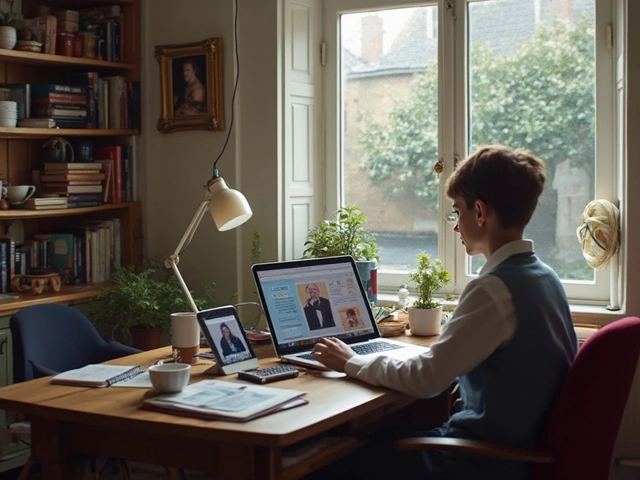
Imagine your child is stuck on a math problem. In a classroom of thirty students, the teacher moves to the next topic in two minutes. At home with a tutor, they spend twenty minutes unpacking that single concept until it clicks. This difference in attention is why people ask: is private tutoring better?
The short answer is yes, but only for specific goals. If you are trying to fix a knowledge gap, prepare for a high-stakes exam, or boost confidence in a struggling subject, one-on-one instruction is hard to beat. If you want social development, broad exposure to ideas, or cost-effective general education, traditional schooling remains superior.
Let’s break down exactly when hiring a tutor makes sense, where it falls short, and how to get the most out of those hours without burning through your budget.
The Power of Personalized Attention
The biggest advantage of private tutoring is customization. In a standard classroom, teachers must follow a curriculum designed for the average student. This means advanced learners often get bored, while struggling students fall behind because the pace is too fast.
A tutor adapts to the individual. They can identify exactly where the misunderstanding lies. For example, if a student fails a physics test, a teacher might see a wrong answer. A tutor sees that the student doesn’t understand vector addition, which is the root cause. By fixing the foundation, the tutor prevents future errors.
This level of responsiveness leads to faster progress. Studies consistently show that one-on-one tutoring produces higher gains than group settings. The National Tutoring Programme in the UK found that targeted tutoring could help students gain an extra half-year of progress compared to their peers who did not receive support.
However, this benefit comes with a condition: the tutor must be skilled at diagnosing problems, not just repeating textbook explanations. A bad tutor will just walk through homework answers. A good tutor asks questions that force the student to think critically.
When Traditional Schooling Wins
It is easy to romanticize private tutoring as the ultimate solution, but schools offer things tutors rarely do. The primary one is socialization.
Schools are communities. Students learn to collaborate on group projects, resolve conflicts with peers, and navigate complex social hierarchies. These soft skills are crucial for career success later in life. A tutor provides academic rigor, but they do not provide a peer group.
Furthermore, schools expose students to a wide variety of subjects and teaching styles. You might have a brilliant history teacher and a mediocre science teacher. This diversity helps students discover their interests. If a child only has access to a tutor chosen by parents, they might miss out on discovering a passion for art or music that a school program would have sparked.
Cost is another major factor. Quality private tutoring is expensive. In many cities, hourly rates range from $40 to $100 or more. Over a year, this adds up to thousands of dollars per subject. Public education, funded by taxes, offers a comprehensive curriculum at no direct cost to the family. For families on a tight budget, spending heavily on tutoring for every subject is unsustainable.
Identifying the Right Use Cases
To decide if tutoring is "better" for your situation, you need to match the service to the goal. Here are the scenarios where tutoring delivers the highest return on investment:
- Exam Preparation: Standardized tests like the SAT, ACT, GCSEs, or A-Levels have specific formats and strategies. Tutors can teach time management techniques and question-specific tactics that general classrooms don't cover in depth.
- Catching Up: If a student missed significant time due to illness or other issues, the gap can widen quickly. A tutor can accelerate learning to bridge that gap before it becomes unmanageable.
- Advanced Enrichment: Gifted students often finish classwork early and lack challenging material. A tutor can introduce college-level concepts or specialized topics (like coding or advanced calculus) that the school doesn't offer.
- Special Needs Support: Students with dyslexia, ADHD, or autism often benefit from tailored instructional methods that address their specific learning profiles, which may be difficult to implement in a large classroom.
If your goal is simply "better grades" across the board without a specific reason for struggle, tutoring might not be the answer. Sometimes poor performance stems from lack of sleep, anxiety, or bullying-issues that require counseling or lifestyle changes, not more math lessons.
Tutoring vs. Group Classes and Online Tools
Private tutoring isn't the only alternative to classroom learning. Many families consider small group classes or online educational platforms. Understanding the differences helps you choose the right tool.
| Feature | Private Tutoring | Small Group Classes | Online Platforms (e.g., Khan Academy) |
|---|---|---|---|
| Personalization | High - Tailored to one student | Medium - Adapted to small group needs | Low - Self-paced, generic content |
| Cost per Hour | High ($40-$100+) | Moderate ($15-$30) | Low/Free |
| Social Interaction | None (Student-Tutor only) | Peer interaction present | Minimal to none |
| Accountability | High - Scheduled sessions | Medium - Group pressure | Low - Requires self-discipline |
| Best For | Specific gaps, exam prep, special needs | General reinforcement, language learning | Supplemental practice, curious learners |
Group classes offer a middle ground. They are cheaper than private tutoring and still allow for some interaction with the instructor. They work well for languages, where speaking practice with peers is valuable, or for test prep where sharing strategies among students can be helpful.
Online platforms are excellent for independent learners. If your child is motivated and knows what they don't know, tools like Khan Academy or Coursera provide endless resources. However, these tools fail if the student lacks discipline or gets stuck on a concept and doesn't know how to ask for help.
How to Choose a Good Tutor
Not all tutors are created equal. Hiring the wrong person can waste money and reinforce bad habits. When looking for a tutor, focus on these criteria:
- Subject Expertise: Ensure they have deep knowledge in the specific area. A generalist tutor might be fine for elementary school, but high school chemistry requires someone with a background in science.
- Teaching Experience: Knowing the material is different from teaching it. Ask about their experience with students of similar age and ability levels.
- Communication Style: Schedule a trial session. Does the tutor explain concepts clearly? Do they listen to the student's questions? The rapport between tutor and student is critical for long-term success.
- References: Ask for testimonials from previous clients. Specific examples of progress are more valuable than vague praise.
Also, clarify the logistics upfront. Will sessions be in-person or online? What is the cancellation policy? How will progress be tracked? A professional tutor should provide regular updates to parents, including what was covered and what areas need continued work.
Maximizing the Value of Tutoring
To make sure tutoring is effective, both the parent and the student need to be active participants. Here are some tips to get the most out of each session:
- Set Clear Goals: Before starting, define what success looks like. Is it raising a grade from C to B? Passing a specific exam? Having measurable goals keeps everyone focused.
- Encourage Homework Practice: Tutoring sessions alone aren't enough. Students need to practice independently between sessions to reinforce learning. Parents should monitor this practice to ensure consistency.
- Communicate with Teachers: Share information between the tutor and the school teacher. The tutor can align their lessons with what is being taught in class, avoiding confusion and redundancy.
- Review Progress Regularly: Every month, assess whether the tutoring is working. If there is no improvement after several weeks, it might be time to change tutors or adjust the strategy.
Remember, tutoring is a supplement, not a replacement. It works best when integrated into a broader educational plan that includes school attendance, adequate sleep, nutrition, and emotional support.
The Verdict on Private Tutoring
So, is private tutoring better? It depends on what you value most. For targeted academic improvement, especially in overcoming specific hurdles or preparing for exams, private tutoring is significantly more effective than relying solely on classroom instruction. The personalized attention allows for deeper understanding and faster correction of misconceptions.
However, it is not a magic bullet. It does not replace the social and holistic benefits of school. It is also a financial commitment that requires careful management. The key is to use tutoring strategically. Treat it as a tool to solve specific problems rather than a blanket solution for all educational needs.
If you can afford it and have identified a clear need, hiring a qualified tutor can be one of the best investments you make in your child's education. Just ensure you choose wisely and set realistic expectations.
How much does private tutoring typically cost?
Costs vary widely by location and subject. In the US, rates generally range from $40 to $80 per hour for general subjects, and $60 to $100+ per hour for specialized subjects like advanced STEM or test prep. In the UK, rates might be £25 to £60 per hour. University students often charge less than experienced professionals.
Is online tutoring as effective as in-person tutoring?
Yes, for many students. Online tutoring offers flexibility and access to a wider pool of experts. With good technology (digital whiteboards, screen sharing), the instructional quality can be identical to in-person sessions. However, younger children or those with attention difficulties may benefit more from the physical presence of an in-person tutor.
At what age should a child start getting a tutor?
There is no fixed age. Tutoring can start as early as kindergarten if a child is struggling with foundational literacy or numeracy skills. For older students, it often begins in middle school when academic demands increase. The decision should be based on individual need rather than age.
Can tutoring hurt a student's independence?
It can if done poorly. If a tutor simply gives answers or does the homework for the student, it creates dependency. Good tutors empower students by teaching them how to think and solve problems, gradually reducing support as the student gains confidence. Parents should encourage their child to attempt problems before asking the tutor for help.
How many hours per week should a student have tutoring?
For most students, one to two hours per week per subject is sufficient. More frequent sessions (e.g., three times a week) might be necessary for intensive exam preparation or severe learning gaps. Consistency is more important than duration; regular weekly sessions yield better results than sporadic marathon sessions.