



Summer School Workload Calculator
Input Your Course Details
Summer School Impact
The article states: "One day you're learning quadratic equations, the next you're taking a midterm."
Regular School Comparison
Summer School Reality
Summer School Survival Tips
From the article: "Get the syllabus on day one — know every test, assignment, and deadline."
- Build a daily routine — even if it's just 30 minutes of review after dinner
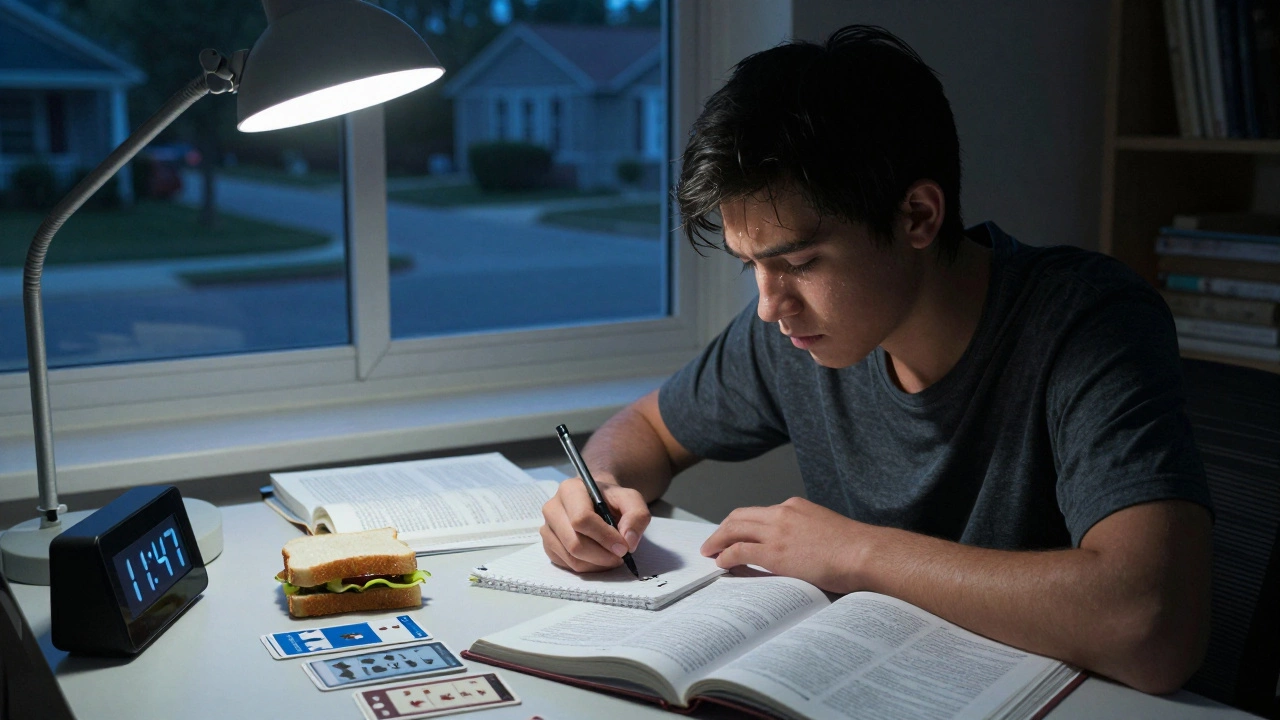
- Use flashcards or apps like Anki — spaced repetition beats cramming
- Find one study buddy — even if you're not close, having someone to text helps
- Don't skip lunch. Eat something real. Your brain needs fuel.
Summer school isn’t just a way to kill time before fall. For many students, it’s a high-pressure sprint packed into six weeks - and that changes everything. If you’ve ever wondered whether summer school is truly harder than regular school, the answer isn’t yes or no. It’s more like: summer school is different, not necessarily harder - but it can feel that way because of how it’s built.
More Content, Less Time
In a normal school year, you spread 180 days of learning across nine months. That’s about 5-6 hours of class time per day, five days a week. Summer school? You’re often cramming the same amount of material into 4-6 weeks. That means you’re doing a full semester’s work in less than half the time.
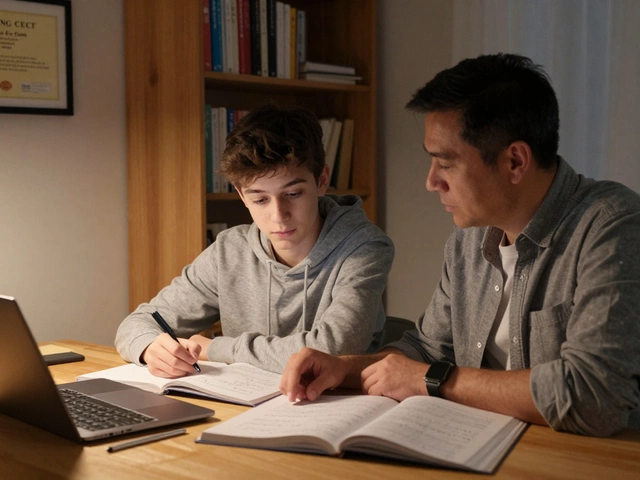
Think about it: a full-year math course becomes 40 hours of class time instead of 120. That’s not just faster - it’s intense. You’re expected to absorb, practice, and be tested on everything in a matter of weeks. No long weekends. No breaks between units. No slow build-up. One day you’re learning quadratic equations, the next you’re taking a midterm.
No Room for Slacking
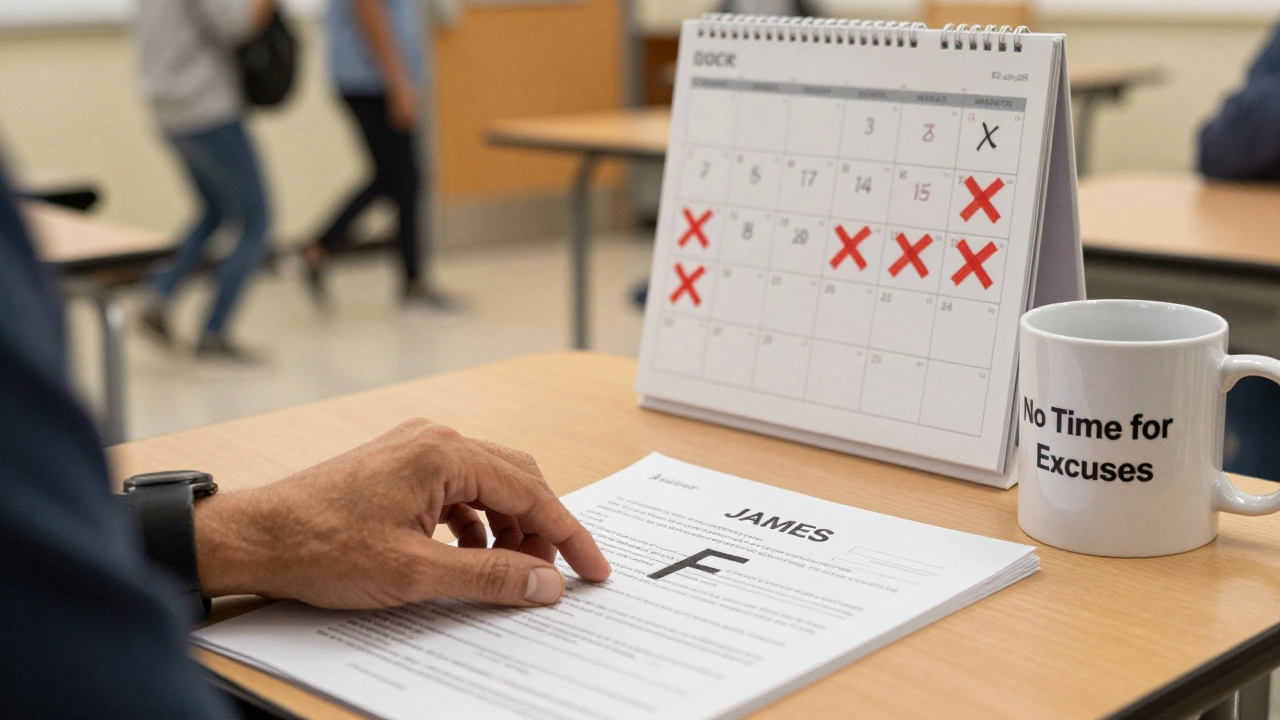
Regular school lets you recover. Miss a day? You can catch up over the weekend. Struggle with a concept? Your teacher might slow down next week. In summer school, there’s no buffer. If you fall behind on Monday, you’re already two lessons behind by Wednesday. There’s no time for panic - only action.
One student in Dublin told me she failed her first summer school class because she assumed it’d be like a holiday version of regular school. Instead, she showed up late three times, missed a quiz, and couldn’t catch up. She had to retake it the next year. That’s not rare. Teachers in summer school don’t have time to babysit. They’re running a marathon, not a stroll.
Longer Days, Higher Stress
Summer school often runs from 8 a.m. to 2 p.m. or later. That’s not just class time - it’s travel, lunch, and homework piled on top. Many students juggle summer jobs, internships, or family responsibilities. You’re not just studying - you’re managing a second full-time schedule.
Psychologists call this “cognitive overload.” When your brain has to switch between learning, working, and personal life all at once, your ability to retain information drops. That’s why so many students say summer school feels exhausting - even if they’re only in class for five hours a day. The mental load is heavier because there’s no rhythm to it.
Less Social Buffer
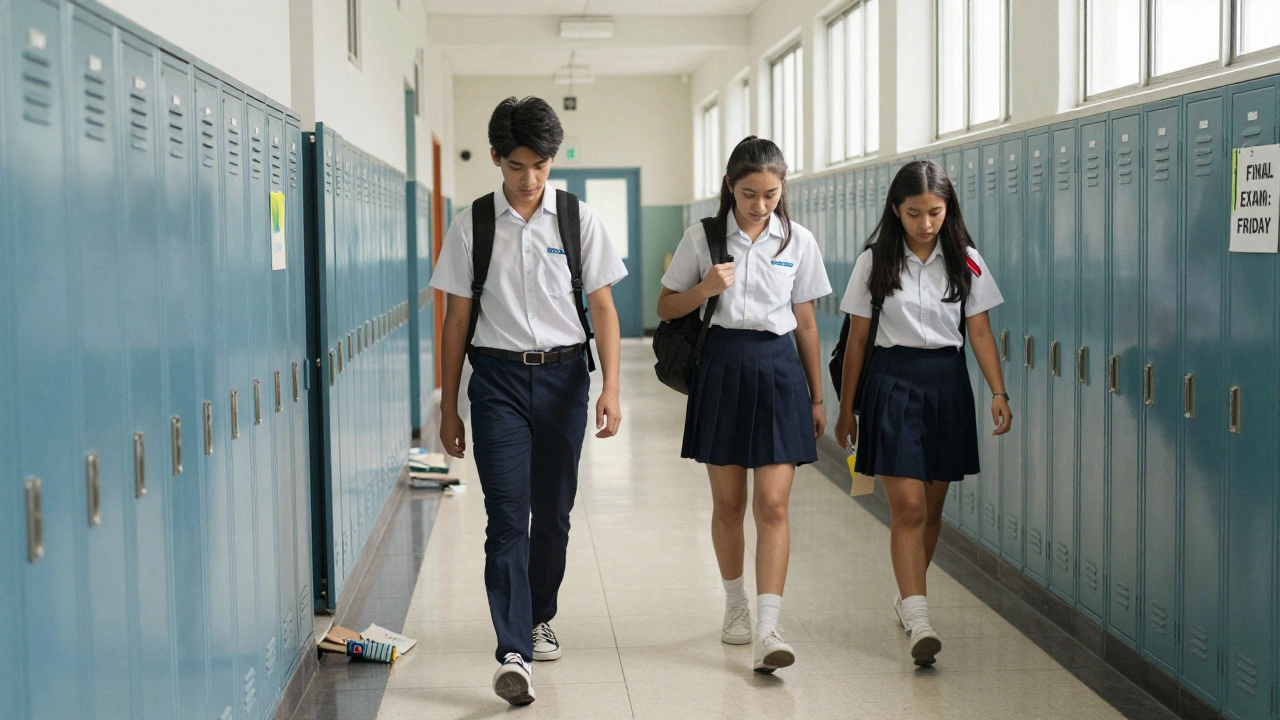
Regular school has a rhythm beyond lessons. Lunch breaks. After-school clubs. Bus rides. Hanging out before homeroom. These moments aren’t just fun - they’re mental reset buttons. In summer school, those pauses vanish. You show up, you learn, you leave. No time to decompress.
Teachers notice this. One instructor at a Dublin summer program said, “I’ve seen kids who ace regular school break down in summer school because they feel isolated. There’s no community. No safety net.” That emotional strain adds to the academic pressure. It’s not just about grades - it’s about feeling alone while you’re trying to keep up.
Who Finds It Easier?
Not everyone struggles. Some students thrive in summer school. Why?
- Self-motivated learners - those who plan ahead and stick to routines.
- Students retaking a class - they already know the material and just need to pass.
- High achievers - they’re used to managing tight deadlines and don’t panic under pressure.
For these students, summer school is a shortcut - not a trap. One 16-year-old I spoke to used summer school to skip ahead in math so she could take calculus in 10th grade. She called it “the smartest thing I’ve ever done.” But she also studied 2 hours every night, used flashcards, and had her parents check her progress daily.
What Makes It Feel Harder
It’s not the subject matter - it’s the structure. Summer school removes the safety nets regular school offers:
- No extended deadlines
- No make-up quizzes
- No gradual pacing
- No peer support networks
- No time to reflect
Regular school is a slow cooker. Summer school is a pressure cooker. Both cook the same food, but one lets you breathe while it happens.
Is It Worth It?
Yes - if you’re clear on why you’re doing it. Summer school can help you:
- Recover a failed class
- Get ahead for college applications
- Free up your regular-year schedule for electives or sports
- Focus on one subject without distractions
But if you’re doing it because you’re bored, or because your parents told you to, you’re setting yourself up for burnout. The workload doesn’t change - your motivation does.
How to Survive Summer School
If you’re signing up, here’s what actually works:
- Get the syllabus on day one - know every test, assignment, and deadline.
- Build a daily routine - even if it’s just 30 minutes of review after dinner.
- Use flashcards or apps like Anki - spaced repetition beats cramming.
- Find one study buddy - even if you’re not close, having someone to text helps.
- Don’t skip lunch. Eat something real. Your brain needs fuel.
And if you start to feel overwhelmed? Talk to your teacher. Most summer school instructors want you to succeed - they just don’t have time to guess when you’re struggling. Speak up early.
The Bottom Line
Summer school isn’t harder because the material is tougher. It’s harder because it takes everything you normally do over nine months and compresses it into six weeks. There’s no mercy built in. No second chances. No slow starts.
For some, it’s a lifeline. For others, it’s a trap. It doesn’t depend on how smart you are - it depends on how well you can manage time, stress, and isolation. If you’re ready for that, summer school can be your secret weapon. If you’re not? You might regret it.
Is summer school more stressful than regular school?
Yes, for most students. The stress comes from the compressed timeline - you’re expected to learn, practice, and be tested on a full semester’s material in just six weeks. There’s no time to recover from missed days, poor grades, or personal setbacks. The lack of social rhythm and support systems also adds emotional strain.
Can you fail summer school?
Absolutely. Summer school courses have the same grading standards as regular classes. Many students fail because they underestimate the pace. Missing one quiz or skipping homework can drop your grade fast. Teachers don’t offer extensions - deadlines are strict. If you’re not prepared to commit fully, you risk failing.
Do colleges look at summer school grades?
Yes, especially if you’re taking core subjects like math, science, or English. Colleges want to see you’re taking initiative, but they also care about performance. A low grade in summer school can raise red flags - it might suggest you struggled to handle pressure. A strong grade, though, shows discipline and academic focus.
Is summer school cheaper than retaking a class in the regular year?
In public schools, summer school is often free or low-cost - sometimes just a small materials fee. Retaking a class during the regular year usually means staying an extra semester or year, which can cost more in terms of time, tuition (if applicable), and delayed graduation. So financially, summer school is almost always the cheaper option.
Should I take summer school if I’m already working a part-time job?
Only if you can realistically manage both. Summer school requires 4-6 hours of class time daily, plus homework. Add a 20-hour work week, and you’re looking at 50+ hours a week of structured activity. Most students who try this end up burned out or performing poorly in both. If you must work, consider taking only one summer course - and talk to your employer about flexible hours.