






Adult Teaching Approach Assessment
This assessment helps you evaluate your teaching approach against evidence-based strategies for adult learners. Answer each question honestly to identify your strengths and areas for growth.
Teaching adults isn’t just teaching kids with bigger shoes. Adults don’t sit still, wait for permission to speak, or take notes just because you told them to. They show up with jobs, kids, tired brains, and a million reasons why this lesson better matter right now. If you’re trying to teach adults like you would teach teenagers-lecturing, assigning busywork, and hoping they ‘get it’-you’re fighting a losing battle.
Adults Need to Know Why Before They Care
When a 42-year-old single mom signs up for a digital skills course, she’s not doing it for fun. She’s doing it because her boss said she needs to learn Excel or risk losing her shift. Or because her kid’s school sends everything online and she can’t help with homework anymore. Adults don’t learn for the sake of learning. They learn because there’s a real, tangible reason-usually tied to survival, advancement, or dignity.
Start every session by answering the question: Why does this matter to you today? Don’t assume they know. Don’t say, “This will help you in the workplace.” Be specific. Say: “By the end of this hour, you’ll be able to build a budget spreadsheet that shows exactly how much you’re spending on groceries each week-and cut it by 15%.” That’s the kind of hook that sticks.
Respect Their Experience, Don’t Overwrite It
Adult learners come in with decades of life experience. They’ve solved problems you haven’t even heard of. They’ve managed budgets, negotiated with landlords, raised kids with food allergies, fixed cars with duct tape and hope. If you walk in like you’re the expert and they’re empty vessels, you’ll lose them by lunchtime.
Instead, treat their past as a resource. Ask: “What’s the most complicated thing you’ve ever had to figure out on your own?” Then build the lesson around that. Teaching someone how to use Zoom? Ask them how they’ve handled video calls with their doctor or their grandkids. Then show them how to do it better. Suddenly, they’re not learning from you-they’re improving what they already know.
Give Them Control Over the Pace
Adults hate being rushed. They also hate being left behind. The classroom isn’t a factory line. You can’t move everyone forward at the same speed and expect them to keep up.
Use a “choose your own challenge” model. After explaining a new skill-say, creating a PDF form-offer three options:
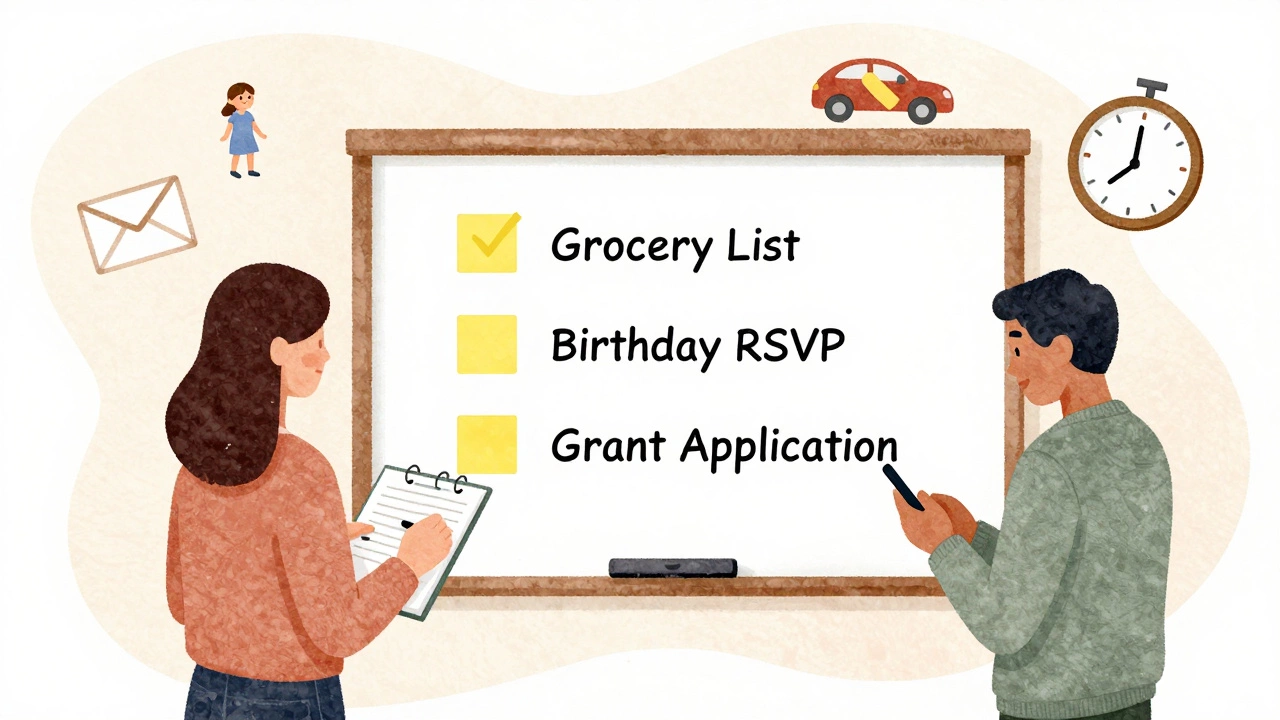
- Option A: Make a simple form for your grocery list
- Option B: Build a form to collect RSVPs for your child’s birthday party
- Option C: Create a form to apply for a local grant or benefit
Let them pick based on what’s urgent in their life. This isn’t just nice-it’s necessary. When people feel ownership over their learning, they stick with it. A study from the University of Toronto found that adult learners who could tailor their tasks to personal goals were 68% more likely to complete the course.
Short Sessions, Real Results
Adults have attention spans that are stretched thin. They’re juggling work, family, commutes, and maybe a second job. A two-hour lecture? Forget it. Even an hour is pushing it.
Break learning into 20- to 30-minute chunks. Each chunk should have one clear outcome: “By the end of this, you’ll be able to send a secure email with attachments.” Use timers. Use visuals. Use real examples from their world.
And always end with a “next step” they can do before tomorrow. Not homework. Not an assignment. Just one small, doable action: “Text your partner the link to the free tax calculator we used today. Ask them to try it with you tonight.” That’s how habits form-not through repetition, but through tiny, meaningful actions tied to real life.
Make It Social, Not Silent
Adults don’t learn in isolation. They learn by talking, sharing, and seeing others struggle-and succeed. If your class is silent except for your voice, you’re doing it wrong.
Build in peer sharing every 15 minutes. Use quick pair-and-share: “Turn to the person next to you and tell them one thing you’ve already learned today that you didn’t know yesterday.” Use group problem-solving: “Your team has $200 to fix a broken printer. What’s the cheapest, fastest way?”
Don’t fear silence. Let it happen. Give people time to think. Adults need space to process. A 10-second pause after a question feels like an eternity to you-but it’s exactly what they need to connect the dots.
Use Their Tools, Not Yours
Don’t force them to use fancy software you like. If they’re comfortable using their phone to take notes, let them. If they prefer paper planners, don’t push Google Calendar. If they use WhatsApp to organize family events, show them how to use it to share class updates.
Teach them how to make their existing tools work better. That’s the key. You’re not replacing their system-you’re upgrading it. A woman in her 50s who’s been using a paper diary since 1995 isn’t going to suddenly switch to Notion. But she’ll use Google Keep if you show her how to set a reminder for her next blood test.

Feedback Must Be Fast, Friendly, and Focused
Adults don’t want a grade. They want to know: “Did I get it? Can I use this?”
Give feedback within 24 hours. Use voice notes. Use quick video clips. Use sticky notes on their desk. Avoid long written comments. They’re overwhelming.
And always frame it positively. Instead of “You got the formula wrong,” say: “You’ve got the structure right-now let’s tweak the cell reference so it updates automatically.” That’s the difference between shame and progress.
They Don’t Need More Information. They Need More Confidence.
The biggest barrier to adult learning isn’t intelligence. It’s fear. Fear of looking stupid. Fear of failing in front of their kids. Fear that they’re too old to learn.
Build confidence by celebrating small wins. When someone finally opens a bank app without calling their child for help? Say it out loud: “That’s huge. You just did something most people pay someone else to do.”
Use before-and-after examples. Show them the first version of their spreadsheet from Week 1. Then show the one they made today. Let them see the progress. That’s more powerful than any certificate.
It’s Not About Teaching. It’s About Unlocking.
You’re not a teacher in the traditional sense. You’re a guide. A translator. A mirror that shows them what they’re already capable of.
Adults don’t need you to tell them what to think. They need you to help them think for themselves-clearly, confidently, and without shame.
Teach them how to learn. Not just how to use Excel. Not just how to write a CV. Teach them how to find answers when they’re stuck. How to ask for help without feeling weak. How to keep going when they’re tired.
That’s what lasts. That’s what changes lives.