




Early Childhood Educator Skills Assessment
This quiz assesses your understanding of the 5 essential skills discussed in the article. Test your knowledge of what makes an effective early childhood educator. Each question focuses on one of the key skills.
1. Observing Without Interfering
Which of these best describes the skill of observing without interfering?
2. Communicating Clearly—But Simply
When talking to a 3-year-old who is upset, what is the most effective approach?
3. Managing Your Own Emotions
What is the most effective way for an educator to handle their own stress during a child's tantrum?
4. Building Trust Through Routine
What is the key benefit of predictable routines in early childhood education?
5. Collaborating With Families
What is the most effective way to build a strong partnership with families?
Your Results
Being an early childhood educator isn’t just about singing songs and helping kids tie their shoes. It’s about shaping the foundation of how children learn, feel, and connect with the world. If you’re working with kids under six, you’re not just a teacher-you’re a guide, a listener, a problem-solver, and sometimes, a calm center in a storm of toddler tantrums. So what actually makes someone good at this job? It’s not a degree alone. It’s a mix of quiet strengths that show up every day in small, powerful ways.
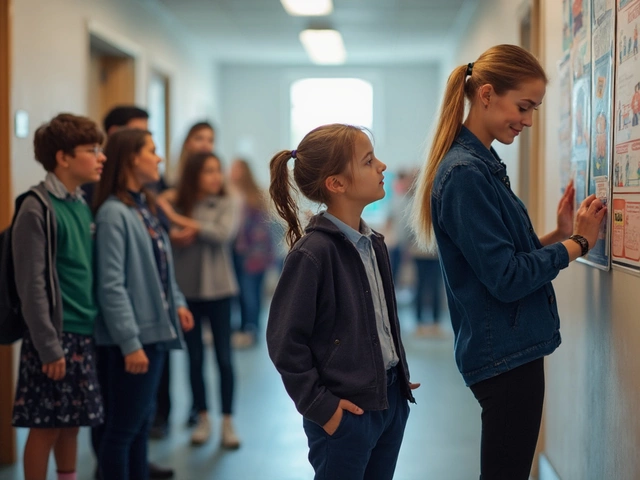
1. Observing Without Interfering
One of the most underrated skills in early education is knowing when to step back. Kids don’t learn by being told what to do. They learn by trying, failing, and trying again. A skilled educator watches. Not with a checklist, but with curiosity. You notice how a child stacks blocks differently today. You see the way they avoid eye contact when another child laughs. You catch the hesitation before they pick up a crayon. These tiny moments tell you more than any assessment form ever could.
In Dublin preschools, educators who practice this skill report fewer behavioral issues and more independent problem-solving. It’s not about fixing things. It’s about understanding them. When you observe, you learn what each child needs before they even ask.
2. Communicating Clearly-But Simply
Talking to a three-year-old isn’t the same as talking to a teenager. You can’t say, “Let’s regulate our emotions.” You say, “I see you’re upset. Let’s take a breath together.”
Clear communication in early childhood means using short sentences, matching your tone to their mood, and naming feelings out loud. “You’re frustrated because the puzzle piece won’t fit.” That simple sentence does three things: validates their emotion, gives them words they didn’t have, and teaches them that feelings are okay.
Studies from the National Institute for Early Education Research show that children who hear consistent, emotionally rich language from educators develop stronger vocabulary and social skills by age five. It’s not about being fancy. It’s about being precise.

3. Managing Your Own Emotions
Ever had a child scream for 20 minutes because you didn’t hand them the red cup instead of the blue one? You’re not alone. What separates a good educator from a great one isn’t patience-it’s emotional regulation.
You can’t yell. You can’t sigh. You can’t roll your eyes, even when you’re exhausted. Why? Because kids absorb your energy. If you’re tense, they tense up. If you’re calm, even slightly, they start to calm down too.
This skill isn’t natural for everyone. It’s learned. It means taking deep breaths before responding. It means knowing your triggers-maybe it’s noise, or mess, or back-to-back meltdowns-and having a quick reset ritual. A sip of water. A walk around the room. One minute of silence. These aren’t luxuries. They’re survival tools.
4. Building Trust Through Routine
Children thrive on predictability. Not because they’re boring, but because their brains are still learning how the world works. A reliable routine tells them: “You’re safe. You know what comes next.”
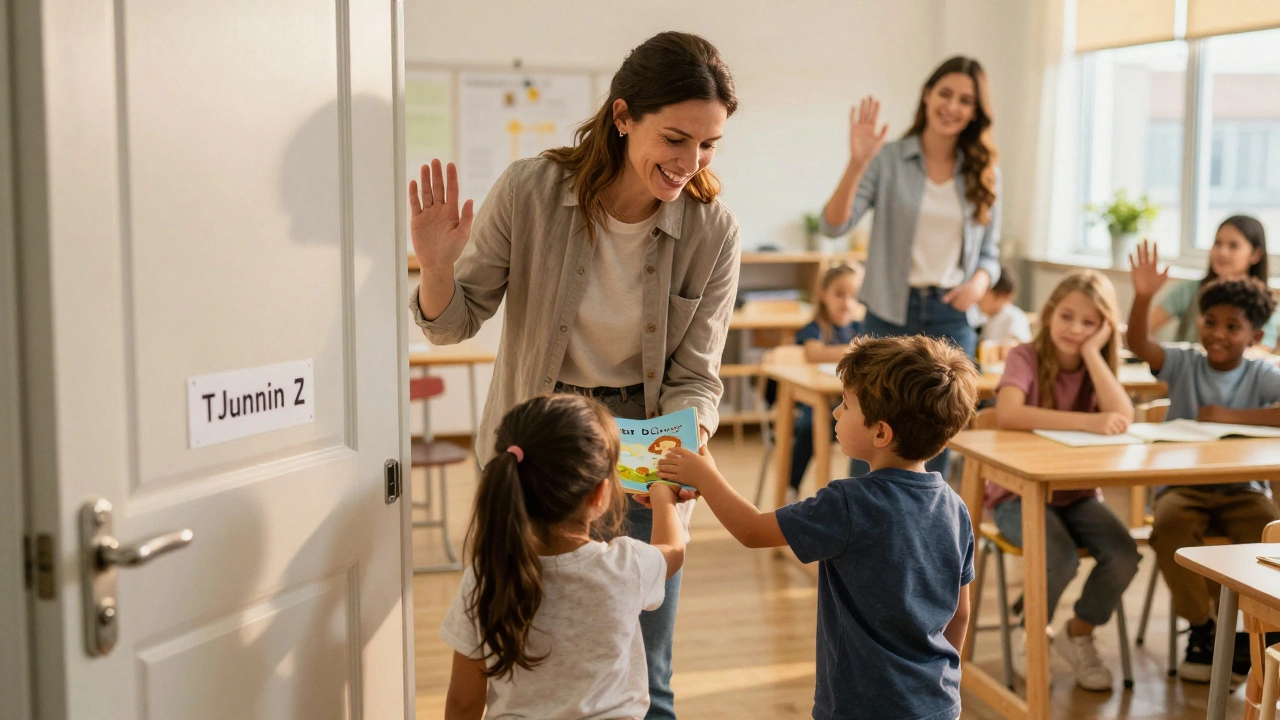
That means the same song at circle time. The same handwashing order. The same way you greet each child in the morning. It doesn’t have to be rigid. But it must be consistent. A child who knows the rhythm of the day feels less anxious. They’re more willing to try new things.
One preschool in Ballymun changed their morning routine from free play to a 5-minute shared story. Within two weeks, children started arriving earlier. Parents reported fewer morning tears. Why? Because the children knew: “When I come in, I’ll be seen.” That’s trust. And it’s built in small, daily moments.
5. Collaborating With Families
Early childhood education doesn’t end at the classroom door. The real magic happens when educators and families work as a team.
It’s not about sending home weekly reports. It’s about listening. Asking: “What does your child love to do at home?” “Is there anything we should know about their sleep or mood?”
Some families are hesitant to talk. Others overshare. A skilled educator meets them where they are. You don’t need to fix their problems. You just need to show up as a partner. A simple note: “I noticed Leo smiled when you read him stories. We’re doing that at school too.” That’s connection.
Research from Trinity College Dublin shows that children whose families and educators communicate regularly have better language development and fewer behavioral challenges by age four. It’s not extra work. It’s the work.
Why These Skills Matter More Than Certificates
You can have a degree in early childhood education. You can have five years of experience. But if you can’t read a child’s silence, if you can’t stay calm when they scream, if you don’t know how to build trust one quiet moment at a time-you’re not fully equipped.
These five skills aren’t taught in textbooks. They’re practiced. They’re refined. They’re tested every time a child looks at you with tears in their eyes and you choose kindness over control.
The best early childhood educators aren’t the ones with the flashiest lesson plans. They’re the ones who remember names, notice changes, and show up-consistently, calmly, and with heart.