



Learning Style Checker
Is this remote or online learning?
Answer these questions based on your learning situation to determine which type it is.
Your Learning Style
Online Learning
Based on your answers, this is online learning.
Online learning is a designed system built for the internet with interactive tools, progress tracking, and structured content.
Remote Learning
Based on your answers, this is remote learning.
Remote learning is temporary, often using minimal technology as a workaround when physical access isn't possible.
People use the terms remote learning and online learning like they mean the same thing. But they don’t. And mixing them up can mess up how you choose a course, set up a classroom, or even plan your kid’s school year. If you’re trying to figure out which one fits your needs-whether you’re a parent, a student, or a teacher-you need to know the real difference.
Remote learning is about location, not technology
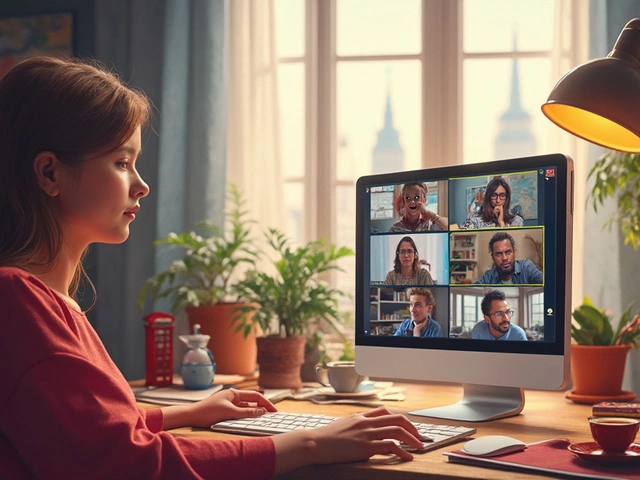
Remote learning happened because of a crisis. Think back to March 2020. Schools closed. Teachers scrambled. Kids logged into Zoom from their bedrooms. That wasn’t a planned system. It was an emergency response. Remote learning means learning that happens away from a physical campus-but it doesn’t mean it’s built for the internet.
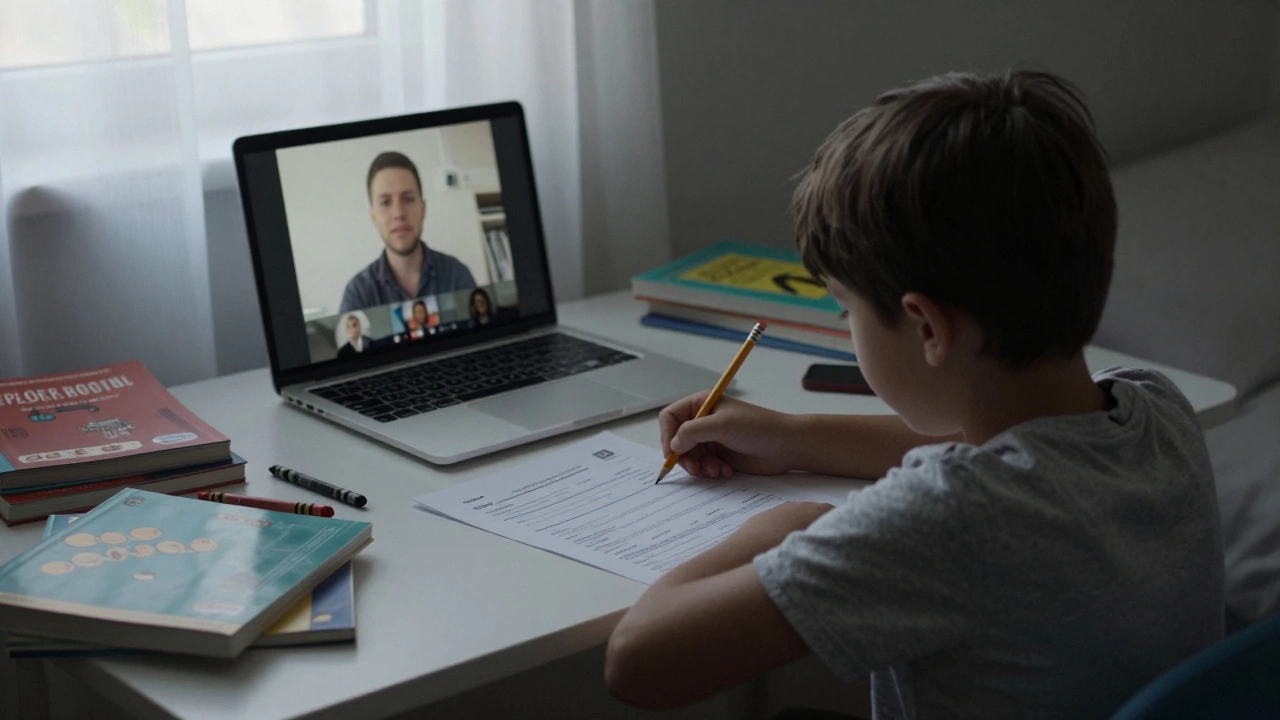
A teacher might send a PDF worksheet via email. A student watches a recorded lecture on YouTube. A parent prints out worksheets and helps with math problems using a textbook from 2018. The tech is just a tool, not the backbone. Remote learning can happen with no internet at all-think radio lessons in rural areas or printed packets delivered by bus.
In 2024, a study by the OECD found that over 60% of remote learning setups during the pandemic used minimal digital tools. Many schools in Ireland and the UK relied on printed materials sent home. That’s remote learning. It’s temporary. It’s reactive. It’s not designed to be engaging-it’s designed to keep learning going while you wait for things to return to normal.
Online learning is built for the web
Online learning is different. It’s not a backup plan. It’s a full system. Platforms like Coursera, Khan Academy, or even Moodle-based university courses are built from the ground up to work online. They have interactive quizzes, discussion boards, live video sessions, progress trackers, automated grading, and multimedia content-all designed for digital delivery.
Online learning doesn’t need a classroom. It doesn’t need a fixed schedule. You can take a coding course at 2 a.m. and get instant feedback. You can join a live seminar with students from Brazil, Japan, and Canada. The course is structured around digital interaction, not just digital delivery.
Think of it this way: online learning is like buying a smartphone. You get the device, the apps, the updates, the support-all made to work together. Remote learning is like using your old landline phone to call someone during a power outage. It works, but it’s not what the phone was made for.
Who uses each one-and why?
Remote learning is common in situations where flexibility is forced, not chosen. Think of students in rural areas without reliable internet. Or employees who need to finish a certification after a long shift. Or families who can’t afford a full online program but still want their kids to keep learning during school closures.
Online learning is chosen. People pick it because they want control. A working mom in Dublin takes an online marketing course because she can study during nap time. A college student in Nigeria earns a degree from a U.S. university without leaving home. A retiree learns Spanish through an app that adapts to their pace. These aren’t fallbacks. These are intentional decisions.
A 2025 survey by the European Commission showed that 78% of adults who chose online learning did so because they wanted personalized pacing. Only 12% said they chose it because they had no other option. That’s the gap.
What’s the tech difference?
Remote learning often uses free, public tools: Zoom, Google Docs, WhatsApp. It’s patchwork. One teacher uses TikTok for science demos. Another uses email. Another still sends PDFs via postal mail.
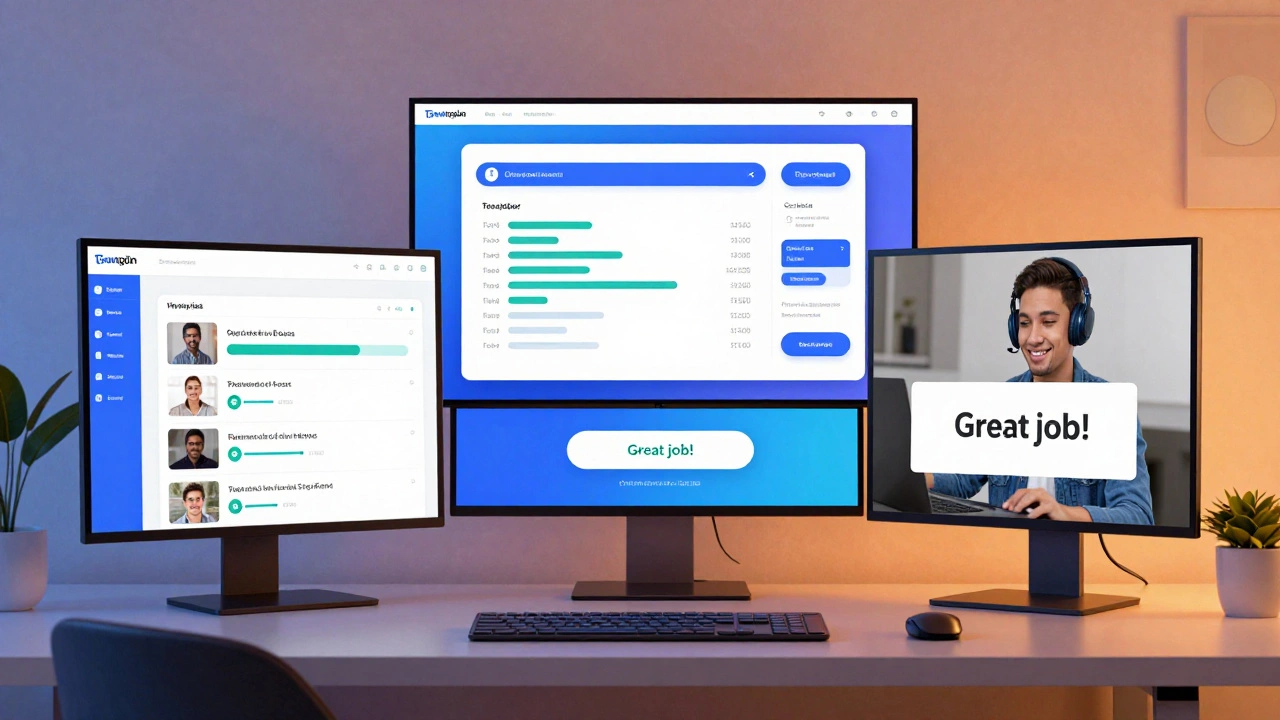
Online learning uses integrated platforms. Think Canvas, Blackboard, or EdX. These platforms track your login times, quiz scores, discussion posts, and even how long you spend watching a video. They give instructors data. They give students feedback. They adapt.
Here’s a real example: In 2023, a high school in County Kerry switched from remote learning (PDFs and Zoom calls) to a full online learning system using Google Classroom with embedded quizzes and automated grading. Student completion rates jumped from 45% to 82% in one semester. Why? Because the system gave them structure, not just content.
Is one better than the other?
Neither is better. They serve different purposes.
If you’re in a situation with no choice-like a natural disaster, a sudden lockdown, or limited internet access-remote learning keeps you connected. It’s the safety net.
If you’re looking for growth-career advancement, skill-building, or a flexible degree-online learning gives you the tools to succeed. It’s the upgrade.
Some schools now use hybrid models. They call it “blended learning.” That’s when you get the best of both: structured online modules for theory, and occasional in-person sessions for labs or group work. That’s not remote. That’s not pure online. That’s something else entirely.
What about the future?
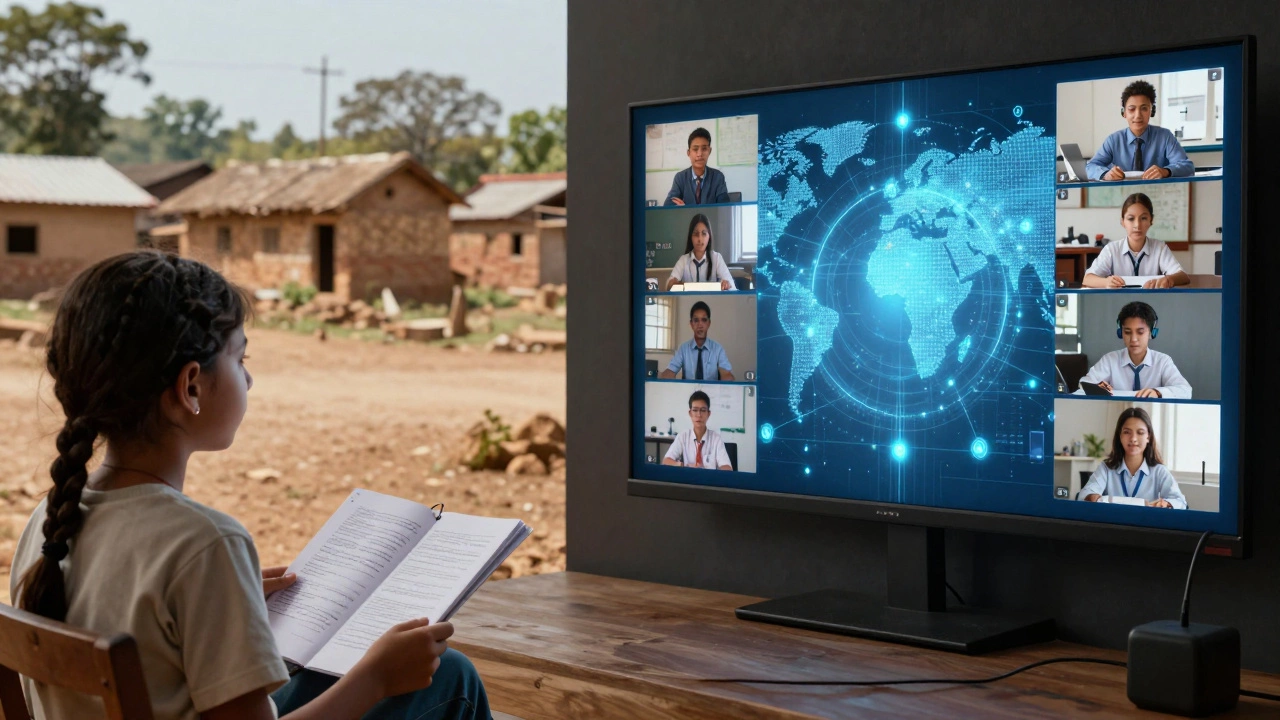
Remote learning isn’t going away. But it’s becoming less common as infrastructure improves. More homes have broadband. More schools have devices. More teachers are trained in digital pedagogy.
Online learning, on the other hand, is growing fast. In 2025, the global e-learning market is projected to hit $404 billion. That’s not because people are stuck at home. It’s because online courses now offer certificates recognized by employers, AI tutors that adapt to your mistakes, and virtual labs that simulate real-world experiments.
The line between the two is blurring-but they’re still different. Remote learning is what you do when you can’t get to school. Online learning is what you choose when you want to learn better.
How to tell which one you’re in
Ask yourself these three questions:
- Is the course designed to be taken entirely online-with interactive features, progress tracking, and digital feedback?
- Is the content delivered through a single platform that integrates video, quizzes, and communication tools?
- Did you choose this because you wanted flexibility, or because you had no other option?
If you answered yes to all three, you’re in online learning. If you answered no to any of them, you’re probably in remote learning.
Why this matters
Calling everything “online learning” makes it harder to fix problems. If a school says, “We’re doing online learning,” but they’re just emailing PDFs, parents assume the system is working. It’s not. The tech isn’t the issue-the design is.
And if you’re choosing a course, you need to know what you’re signing up for. A “remote learning program” might mean no deadlines, no feedback, no support. An “online learning program” should mean structure, interaction, and measurable progress.
Don’t let the words fool you. The difference isn’t just technical. It’s about intention, quality, and outcomes.
Are remote learning and online learning the same thing?
No. Remote learning is temporary and often uses minimal technology-it’s learning that happens away from school, regardless of how it’s delivered. Online learning is a designed system built for the internet, with interactive tools, tracking, and structured content. One is a workaround. The other is a full educational model.
Can remote learning be done without the internet?
Yes. Remote learning doesn’t require internet access. It can be delivered through printed materials, radio broadcasts, or even mailed packets. This is why it’s often used in areas with poor connectivity or during emergencies. Online learning, by contrast, requires a stable internet connection to function.
Which one is better for kids?
It depends. For younger children, structured online learning with interactive elements and teacher feedback works best when available. But if the family lacks reliable tech or internet, remote learning with printed materials and parental support can be just as effective-especially if it’s consistent. The key isn’t the format-it’s the support system around it.
Is online learning more expensive than remote learning?
Often, yes. Online learning platforms require investment in software, training, and support. Many paid courses charge fees for certificates or access to live sessions. Remote learning, especially when done through public schools or nonprofits, often costs little or nothing. But free remote learning usually means less engagement and fewer resources.
Can you switch from remote to online learning?
Absolutely. Many schools and institutions started with remote learning during the pandemic and later upgraded to full online systems. The transition requires better tech access, teacher training, and student support-but it’s common and effective. The goal isn’t to stay remote-it’s to move toward better, more sustainable learning.