




Pre-Exam Caffeine & Routine Planner
Your Exam Details
Your Optimized Timeline
Breakfast
--:--Eat a balanced meal with protein and complex carbs.
Hydration
--:--Drink water to prevent dehydration headaches.
Caffeine Intake
--:--Consume 1 cup of coffee or green tea.
Light Review
--:--Review key concepts briefly to prime memory.
You’ve spent weeks revising. You know the material. But as you sit down to open that exam paper, your brain feels like it’s running on dial-up internet. Your eyes are heavy, and that familiar fog is settling in. It’s tempting to grab a large espresso from the campus café or chug an energy drink right before the bell rings. But does that caffeine boost actually help you score higher, or will it just make you shake through the multiple-choice section?
The short answer is yes, coffee can help-but only if you treat it like medicine, not a snack. Caffeine is a powerful tool for cognitive performance, but it has a very narrow window of effectiveness. Get the timing wrong, and you might find yourself too anxious to read the questions properly. Let’s break down exactly how caffeine affects your brain during high-stakes testing and how to use it without ruining your concentration.
How Caffeine Actually Affects Your Brain
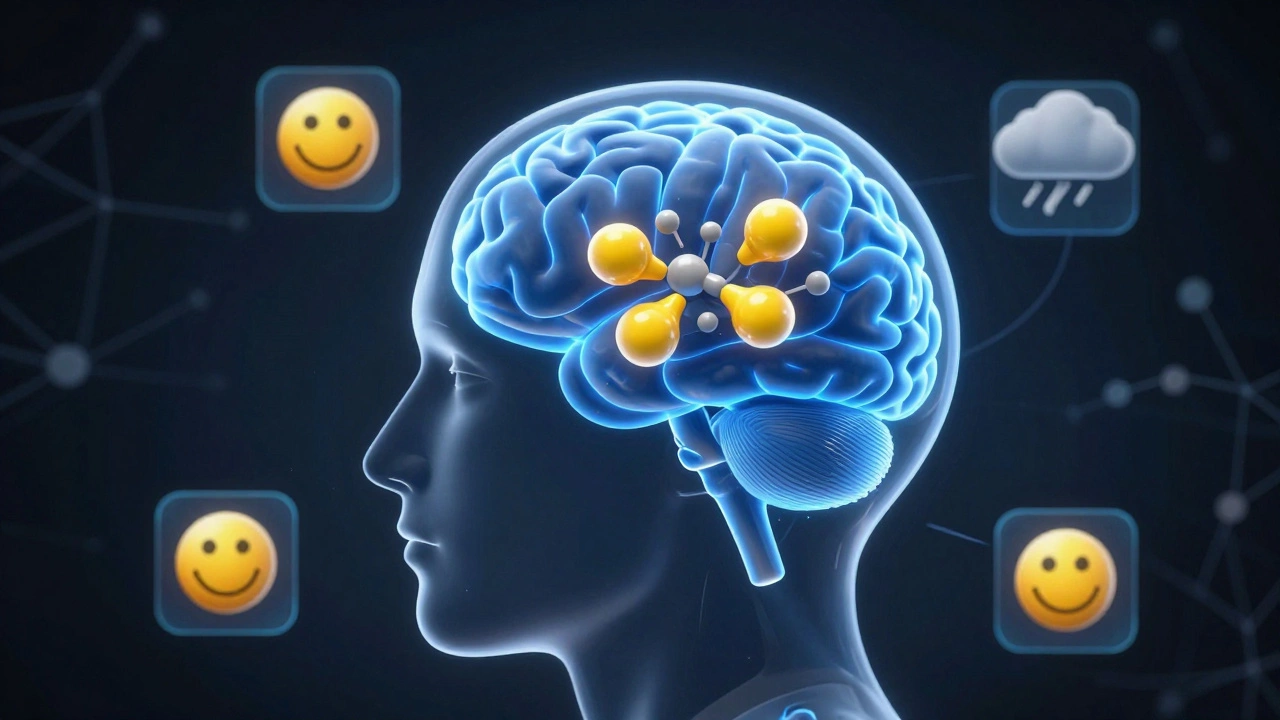
To understand why coffee helps (or hurts), you need to look at what Caffeine is a central nervous system stimulant that blocks adenosine receptors in the brain. Adenosine is a chemical that builds up throughout the day, making you feel tired. When caffeine blocks those receptors, you stop feeling sleepy, and your brain releases more neurotransmitters like dopamine and norepinephrine.
This chemical shift leads to three main effects that matter for exams:
- Increased Alertness: You stay awake and engaged longer, which prevents the "zoning out" effect during long lectures or tests.
- Faster Reaction Time: Simple cognitive tasks, like recognizing patterns or recalling facts, become quicker.
- Improved Mood: The dopamine hit can reduce the feeling of dread associated with difficult subjects.
However, there is a catch. Caffeine also increases cortisol, the stress hormone. If you’re already nervous about the exam, adding stimulants can push you past the line of "focused" into "panicked." This is known as the Yerkes-Dodson law: performance improves with arousal up to a point, then crashes if you get too stressed. For many students, that crash happens around two cups of strong coffee.
The Golden Rule: Timing Is Everything
The biggest mistake students make is drinking coffee during the exam. By the time you finish your first question, the caffeine is hitting your bloodstream. This causes a spike in heart rate and jitteriness exactly when you need steady hands and a calm mind.
Caffeine takes about 15 to 45 minutes to reach peak concentration in your blood. Therefore, you should consume your coffee roughly 30 to 60 minutes before the exam starts. This allows the alertness benefits to kick in right as you sit down, while the initial jitters have already passed.
If you drink coffee immediately before walking into the hall, you risk:
- The Urge to Use the Bathroom: Caffeine is a diuretic. Nothing kills exam momentum faster than needing to raise your hand to leave the room.
- Sensory Overload: Heightened senses can make the ticking clock or the rustling of papers seem louder and more distracting.
- Tremors: Fine motor skills, like writing neatly under pressure, can suffer from caffeine-induced shakes.
How Much Is Too Much?
There is no one-size-fits-all dose, but general guidelines suggest keeping caffeine intake between 100mg and 200mg before an exam. This is roughly equivalent to one standard cup of brewed coffee (8 oz) or one double shot of espresso.
Avoid energy drinks entirely. Products like Red Bull or Monster often contain 80mg to 300mg of caffeine per can, along with massive amounts of sugar. The sugar rush gives you 20 minutes of hyper-focus followed by a brutal "crash" where your brain feels heavier than before. An energy drink is a rollercoaster; you want a steady climb for your exam performance.
If you are sensitive to caffeine, stick to green tea. It contains about half the caffeine of coffee but includes L-theanine, an amino acid that promotes relaxation without drowsiness. This combination creates a state of "calm alertness," which is ideal for complex problem-solving.
Who Should Skip the Coffee Entirely?
Not every student benefits from caffeine. You should probably skip the pre-exam coffee if:
- You Are a Light Sleeper: If you drank coffee yesterday afternoon and still struggled to fall asleep, your body hasn’t cleared the previous dose. Adding more will compound the anxiety.
- You Have High Test Anxiety: If you tend to panic, hyperventilate, or experience racing thoughts during exams, caffeine acts like gasoline on a fire. In this case, water and deep breathing exercises are better tools.
- You Don’t Usually Drink Coffee: Never try a new substance on exam day. If you aren’t used to caffeine, your body won’t know how to handle the stress response. Stick to your normal routine.
- The Exam Is Early Morning: Drinking coffee on an empty stomach can cause acid reflux or nausea, which is incredibly distracting. Eat a small breakfast with protein and carbs first.
The Pre-Exam Routine That Works
Instead of focusing solely on the coffee, think about the entire pre-exam protocol. Here is a simple checklist to maximize your cognitive function:
| Time Before Exam | Action | Why It Helps |
|---|---|---|
| 60 Minutes | Eat a balanced breakfast | Glucose fuels the brain; protein stabilizes energy levels. |
| 45 Minutes | Drink 1 cup of coffee or green tea | Allows peak caffeine absorption without immediate jitters. |
| 30 Minutes | Hydrate with water | Dehydration reduces concentration and increases headache risk. |
| 15 Minutes | Light review of key concepts | Primes memory retrieval pathways without causing overload. |
| 5 Minutes | Deep breathing exercises | Lowers cortisol levels and prepares the body for calm focus. |

Alternatives to Coffee for Focus
If coffee isn’t your thing, or if you’ve already hit your daily limit, there are other ways to boost alertness naturally. Physical Exercise is one of the most effective natural nootropics available. A brisk 10-minute walk before the exam increases blood flow to the brain and releases endorphins, which combat stress.
Cold exposure is another powerful trick. Splashing cold water on your face or taking a cool shower activates the mammalian dive reflex, which instantly lowers heart rate and sharpens attention. This is particularly useful if you feel yourself getting overwhelmed by anxiety.
Nutrition also plays a huge role. Avoid heavy, carb-loaded meals like pasta or pizza before an exam. These cause a spike in insulin followed by a drop in blood sugar, leading to brain fog. Instead, opt for foods with a low glycemic index, such as nuts, berries, yogurt, or eggs. These provide sustained energy without the crash.
What About During the Exam?
Once the exam has started, do not consume any more caffeine. Your goal now is maintenance, not stimulation. Bring a bottle of water with you. Dehydration is a silent killer of concentration. Even mild dehydration (losing just 1-2% of body weight in water) can impair short-term memory and increase feelings of fatigue.
If you feel your energy dipping halfway through a long exam, try the "20-20-20" rule adapted for testing: Every 20 minutes, take 20 seconds to look at something 20 feet away and take three deep breaths. This resets your visual focus and oxygenates your brain, providing a mini-reset without the need for stimulants.
Long-Term Strategy: Building Tolerance
Your relationship with caffeine shouldn’t be a secret weapon saved for exam days. Regular, moderate consumption builds a baseline tolerance that makes the effects more predictable. If you only drink coffee once a month, your body reacts more violently to it. If you drink it daily, the effects are smoother and more consistent.
However, avoid increasing your intake significantly in the weeks leading up to exams. Sudden changes in caffeine habits can disrupt sleep patterns, which is far more damaging to your grades than missing out on a few cups of joe. Sleep is when memory consolidation happens. Sacrificing sleep for caffeine is a losing trade.
Ultimately, coffee is a tool, not a solution. It won’t teach you the material you didn’t study. But if you’ve put in the work, timing your caffeine intake correctly can give you that extra edge of clarity and confidence when it matters most. Treat your body like the instrument it is, tune it carefully, and let your preparation do the rest.
Can I drink coffee the night before my exam?
It depends on your sensitivity. Caffeine has a half-life of about 5 hours, meaning half of it is still in your system 5 hours later. If you drink coffee after 2 PM, it may interfere with your ability to fall asleep or achieve deep REM sleep, which is crucial for memory consolidation. If you must have caffeine, switch to decaf or herbal tea after lunch.
Is energy drink better than coffee for exams?
Generally, no. Energy drinks often contain high amounts of sugar, which leads to a rapid spike in energy followed by a severe crash. This crash can happen in the middle of your exam, leaving you mentally exhausted. Coffee provides a steadier release of energy, especially if consumed with food.
What if I don't usually drink coffee?
Do not start drinking coffee before an exam if you aren't used to it. Your body may react with increased anxiety, heart palpitations, or stomach issues. Stick to your normal routine. If you need a boost, try green tea, which has less caffeine, or rely on hydration and light exercise.
How much water should I drink before an exam?
Aim for 16-20 ounces of water in the hour before your exam. Proper hydration supports cognitive function and prevents headaches. However, avoid chugging large amounts right before sitting down to minimize bathroom breaks during the test.
Does caffeine improve memory recall?
Caffeine primarily improves alertness and reaction time rather than long-term memory recall. It helps you access the information you've already studied by keeping your brain engaged. It does not create new memories or help you learn material you haven't reviewed.