






Exam Day Fuel Planner
How it works: Select a goal on the left and click the foods you're planning to eat. We'll analyze if your meal plan aligns with your cognitive needs!
You don't need a complex diet plan or expensive supplements to sharpen your focus. The goal is to maintain steady blood glucose levels and provide the raw materials your neurons need to communicate. By focusing on a few specific nutrient-dense foods, you can stop the mid-study crash and actually help the information stick. Here are the five heavy hitters for your cognitive health.
The Power of Fatty Fish
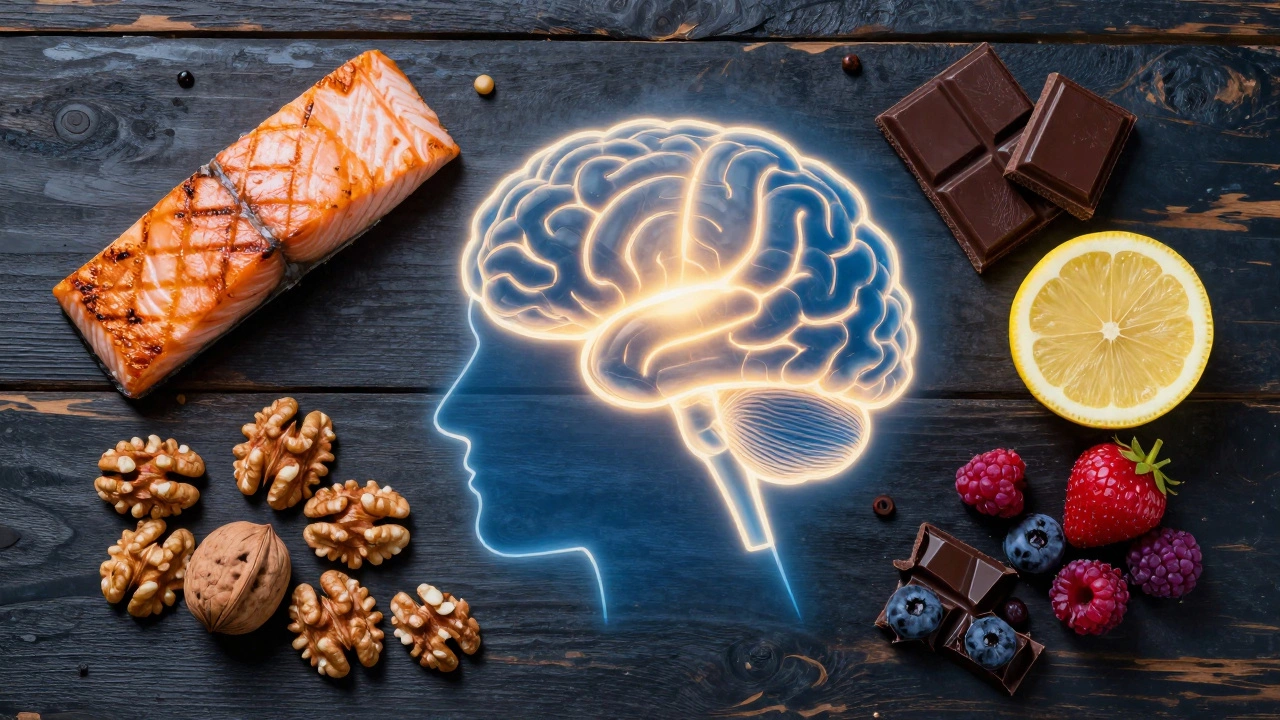
If there is one undisputed king of brain health, it's Fatty Fish. We're talking about options like Salmon, mackerel, and sardines. These fish are packed with Omega-3 Fatty Acids, specifically DHA, which is a structural component of your brain cells.
Think of Omega-3s as the maintenance crew for your brain. They build the membranes of your neurons and help them send signals faster. When these fats are lacking, your cognitive processing slows down, making it harder to solve complex math problems or recall specific quotes during an essay. A study from the University of Gothenburg showed that people with higher Omega-3 levels performed significantly better on memory tests. For a student, this means faster recall and less "tip-of-the-tongue" syndrome during a test.
Blueberries and the Antioxidant Edge
When you're staring at a textbook for six hours, your brain produces oxidative stress. This is where Blueberries come in. They are rich in Anthocyanins, which are powerful antioxidants that protect the brain from inflammation and rust-like damage.
But it's not just about protection; it's about performance. These compounds improve communication between neurons and increase plasticity, which is the brain's ability to form new connections. In simple terms, blueberries make it easier for your brain to learn new information. Instead of a sugary energy drink that gives you a 30-minute spike and a two-hour crash, a handful of blueberries provides a slow release of natural energy and a cognitive boost that lasts throughout your study session.
| Food | Key Nutrient | Primary Benefit | Best For... |
|---|---|---|---|
| Salmon | Omega-3 DHA | Neural membrane repair | Long-term memory |
| Blueberries | Anthocyanins | Oxidative stress reduction | Mental clarity |
| Walnuts | Alpha-Linolenic Acid | Cognitive agility | Problem solving |
| Dark Chocolate | Flavonoids | Blood flow to brain | Immediate focus |
| Eggs | Choline | Acetylcholine synthesis | Recall speed |
Walnuts and the Omega-7 Secret
Among all nuts, Walnuts are the standout choice for students. While most nuts provide healthy fats, walnuts are particularly high in DHA-precursors and polyphenols. They look like tiny brains for a reason-they're designed to support them.
Walnuts help improve "cognitive flexibility," which is your ability to switch between different concepts. This is crucial when you're jumping from a biology chapter to a chemistry formula. They provide a stable source of energy that prevents the dreaded "brain fog." If you're feeling sluggish around 3 PM, skip the vending machine chips and grab a handful of raw walnuts. The combination of healthy fats and protein keeps your blood sugar stable, meaning you won't get that irritable, unfocused feeling that ruins a productive afternoon.
The Cognitive Spark of Dark Chocolate
Yes, Dark Chocolate actually belongs on this list, provided it's at least 70% cocoa. The magic lies in Flavonoids, which are plant-based compounds that increase blood flow to the cerebral cortex.
Better blood flow means more oxygen and glucose reaching your brain cells. This leads to improved attention spans and better short-term memory. Moreover, dark chocolate contains a small amount of caffeine and theobromine, which provide a gentle wake-up call without the jitters associated with coffee. It also triggers the release of endorphins, which helps lower the cortisol levels associated with exam stress. A small square of dark chocolate before a mock exam can act as a psychological and physiological "reset button," calming your nerves while sharpening your edge.
Eggs and the Memory Molecule
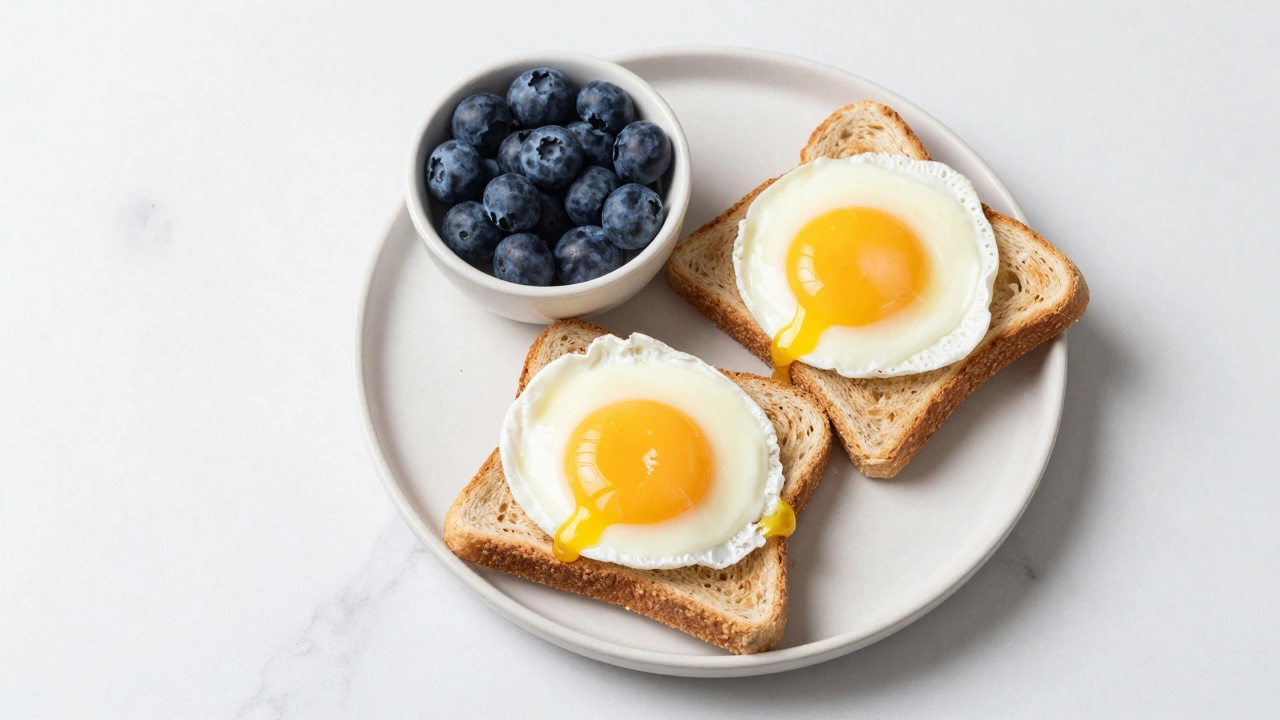
Finally, let's look at Eggs. The most important part of the egg for your brain is the yolk, which contains Choline. Choline is a precursor to acetylcholine, a neurotransmitter that is essential for mood, memory, and muscle control.
Think of acetylcholine as the "memory molecule." It's what allows you to store a piece of information and then retrieve it under pressure. Without enough choline, your brain struggles to encode new data, making your hours of revision less effective. Starting your day with two poached eggs provides the building blocks your brain needs to maintain high levels of concentration for hours. It's a cheap, accessible, and incredibly effective way to ensure your brain is chemically primed for the challenge of an exam.
How to Build an Exam-Ready Meal Plan
Knowing the best foods is one thing, but actually eating them during a stressful exam season is another. You don't need to be a gourmet chef to make this work. The trick is to integrate these foods into your existing habits so you don't spend more time cooking than studying.
- Breakfast: Scrambled eggs with a side of blueberries. This combines the choline for memory and antioxidants for clarity right from the start.
- Lunch: A grilled salmon salad or a tuna wrap. Use a base of spinach or kale to add extra vitamins.
- Afternoon Snack: A mix of walnuts and a few squares of 70% dark chocolate. This prevents the 4 PM slump and keeps your focus sharp.
- Dinner: Baked fish or tofu with steamed vegetables and brown rice. Complex carbs in the evening help your brain recover and consolidate memories while you sleep.
Avoid the "study trap" of relying on high-sugar energy drinks and processed crackers. While they give you a quick burst of energy, they lead to a glucose crash that leaves you feeling exhausted and mentally drained. Instead, stick to these whole foods to keep your cognitive performance consistent from the first page of the exam to the last.
Can eating these foods actually raise my grade?
Food alone won't replace studying, but it optimizes the organ you're using to study. When your brain has the right fats and antioxidants, you can focus longer, remember more, and process information faster. It's like upgrading your computer's RAM; the software (your knowledge) is still there, but the hardware runs much more efficiently.
What if I'm vegan or vegetarian?
You can get the same benefits from plant-based sources. Replace fatty fish with flaxseeds, chia seeds, or algae-based Omega-3 supplements. Instead of eggs, focus on soy products, quinoa, and extra walnuts. Blueberries and dark chocolate remain perfect choices regardless of your diet.
When is the best time to eat these foods?
Consistency is key. While dark chocolate can provide a quick boost right before a test, the benefits of Omega-3s and choline are cumulative. Start integrating these foods into your diet at least two to three weeks before your exams to give your brain time to build up the necessary nutrient stores.
Does hydration play a role in brain function?
Absolutely. Even mild dehydration can shrink brain tissue and impair short-term memory and attention. No amount of "brain food" can fix a dehydrated brain. Drink water steadily throughout your study sessions and on the day of the exam to keep your neurons firing correctly.
Are there any foods I should absolutely avoid during exams?
Avoid heavy, high-carb meals (like giant bowls of pasta) right before an exam. These can cause a "food coma" by diverting blood flow from your brain to your digestive system and causing a blood sugar spike followed by a crash. Stick to light, nutrient-dense meals that keep your energy levels flat and stable.