





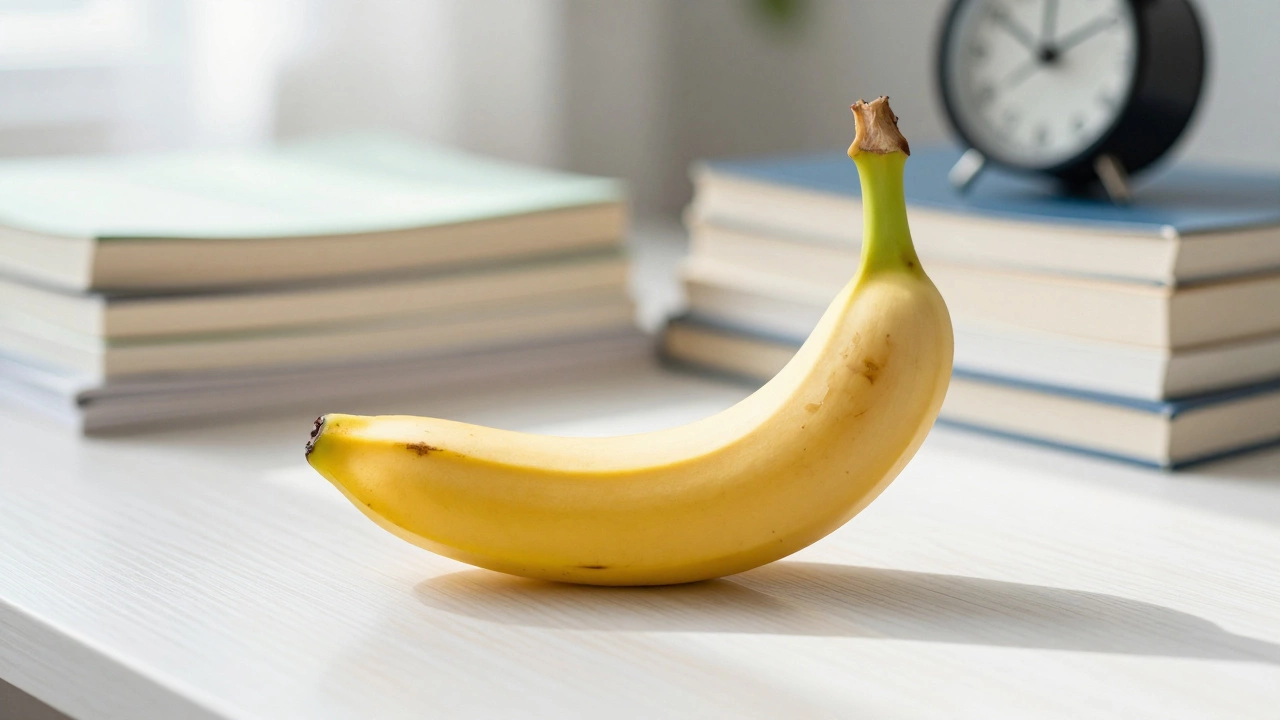
Pre-Exam Snack Score Calculator
Not every snack is created equal before a big test. Select your planned meal below to see how it scores for focus, energy stability, and anxiety management.
Your Exam Fuel Score:
0/100Loading...
Imagine sitting in a silent exam hall. The clock is ticking. Your heart starts to race. Suddenly, your stomach growls, or worse, your brain feels like it’s stuck in fog. You realize you made a mistake: you skipped breakfast, or you grabbed a sugary energy bar that has already crashed. Now, you’re staring at question three, and the answers are slipping away. This isn’t just bad luck; it’s biology. What you eat before a test matters just as much as what you studied.
There is a persistent rumor floating through student corridors and parent groups: bananas are the ultimate pre-exam superfood. But is this true, or is it just another school myth? The short answer is yes, but with some important caveats. A banana can be a powerful tool for cognitive performance if timed correctly. Let’s break down the science behind why this fruit helps, when to eat it, and what else you should consider for your next big assessment.
The Brain Fuel Equation: Why Bananas Work
Your brain is an energy hog. Even though it makes up only about 2% of your body weight, it consumes roughly 20% of your daily calories. It runs almost exclusively on glucose. When your blood sugar levels drop, your ability to concentrate, solve problems, and recall information plummets. This is often called "brain fog," but scientifically, it’s hypoglycemia affecting cognitive function.
This is where the Banana comes in. It is not magic, but it is chemically efficient. A medium-sized banana provides around 105 calories, mostly from natural sugars (fructose, glucose, and sucrose) and fiber. Unlike a candy bar, which spikes your blood sugar and then crashes it within an hour, the fiber in a banana slows down digestion. This provides a steady release of energy over two to three hours-perfect timing for most exams.
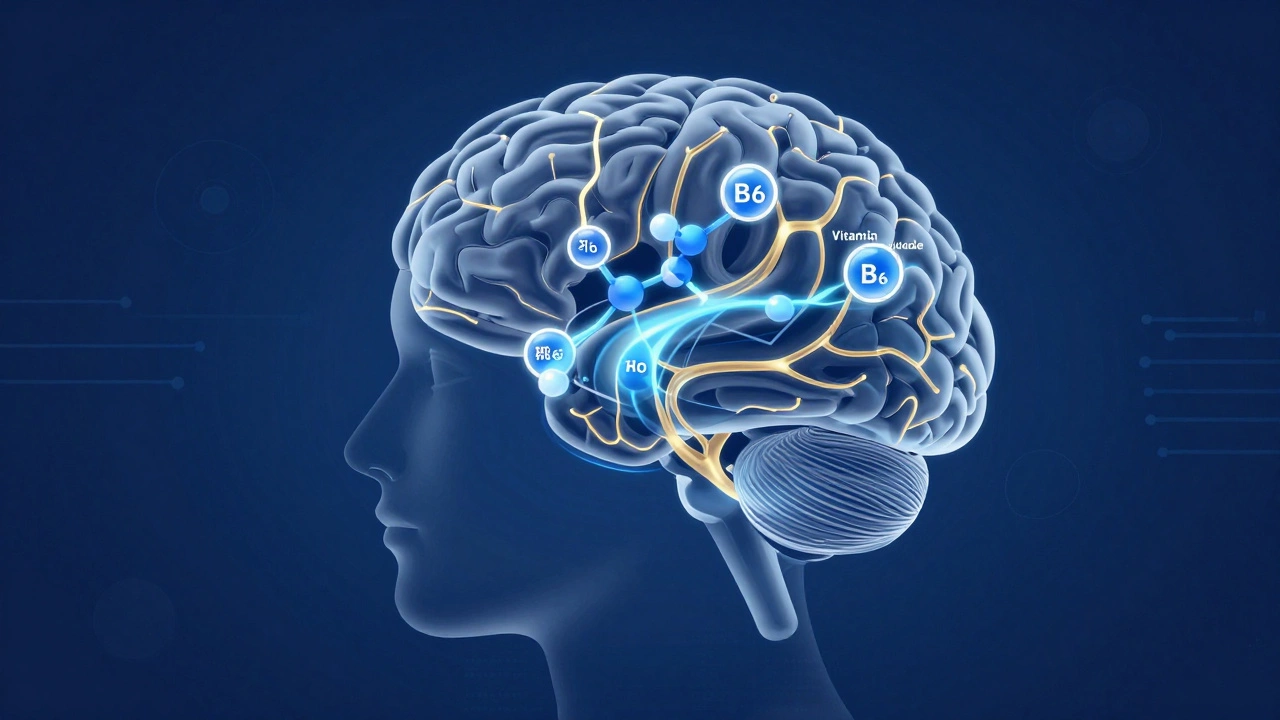
But sugar isn’t the whole story. Bananas are rich in Vitamin B6. This vitamin is crucial for producing neurotransmitters like serotonin and dopamine. These chemicals regulate mood and alertness. If you are feeling anxious before a test, maintaining stable neurotransmitter levels can help keep panic at bay. Additionally, bananas contain potassium, an electrolyte that helps nerve cells communicate efficiently. While one banana won’t cure severe dehydration, it contributes to the electrical signaling your brain needs to process complex questions quickly.
The Timing Trap: When to Eat It
Eating a banana is good. Eating it at the wrong time is counterproductive. Digestion takes time. If you eat a heavy meal right before walking into an exam room, your body diverts blood flow to your stomach to aid digestion. This leaves less oxygenated blood for your brain, making you feel sluggish and tired. This is known as postprandial somnolence, or the "food coma."
A banana is light enough to avoid a severe food coma, but you still need to time it right. Here is the golden rule:
- 45-60 minutes before the exam: This is the sweet spot. It gives your body enough time to digest the fruit and convert the carbohydrates into usable glucose without causing bloating or drowsiness.
- Less than 15 minutes before: Avoid this. You might feel jittery or have an urgent need to use the restroom during the test.
- More than 2 hours before: You might start to feel hungry again by the middle of the exam, leading to distraction.
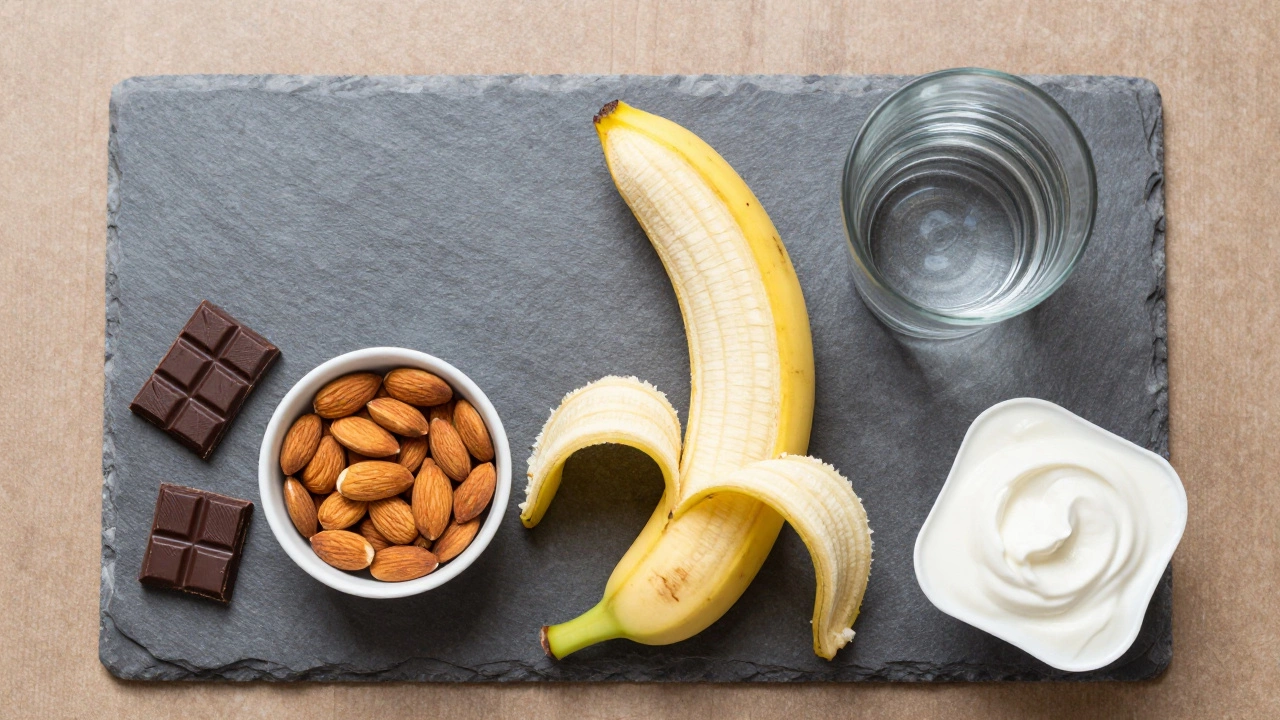
If your exam is in the morning, try to eat the banana with a small amount of protein, like a handful of almonds or a slice of cheese. Protein stabilizes blood sugar even further, preventing any potential mid-morning dip in energy.
Beyond the Banana: Building a Cognitive Snack Plate
While bananas are excellent, they shouldn’t be your only option. Different bodies react differently to fruits. Some students find the acidity of bananas causes mild reflux, especially under stress. Having alternatives ensures you always have fuel ready. Think of your pre-test snack as a combination of three things: slow-release carbs, healthy fats, and hydration.
| Snack Option | Primary Benefit | Risk Factor | Best For |
|---|---|---|---|
| Banana with Almonds | Steady glucose + sustained energy | Mild acidity for some | Most students; general focus |
| Oatmeal with Berries | High fiber, antioxidants | Heavier digestion time | Morning exams; long duration tests |
| Greek Yogurt & Honey | Protein + quick sugar boost | Sugar crash if too much honey | Anxious students; mood stabilization |
| Dark Chocolate (70%+) | Caffeine + flavonoids for blood flow | Jitters if sensitive to caffeine | Afternoon slumps; alertness needed |
Notice the pattern? We are avoiding pure sugar. That donut or pastry you crave? It will give you 20 minutes of brilliance followed by an hour of confusion. Stick to whole foods. Whole grains like oatmeal provide complex carbohydrates that burn slowly. Nuts like walnuts contain omega-3 fatty acids, which support brain cell structure. Dark chocolate contains flavonoids that increase blood flow to the brain, enhancing memory and processing speed.
The Hydration Factor: Often Overlooked
You can eat the perfect banana, but if you are dehydrated, your cognitive performance will still suffer. Dehydration reduces blood volume, meaning less oxygen reaches the brain. Even mild dehydration (1-2% loss of body water) can impair concentration, increase perceived effort, and cause headaches.
Water is the best choice. Avoid sugary sports drinks unless you are doing physical activity, as the sugar spike can backfire. Caffeinated beverages like coffee or energy drinks are tricky. Caffeine can improve alertness, but it also increases anxiety and heart rate. If you are already nervous about the test, adding caffeine might tip you over the edge into panic mode. If you drink coffee daily, stick to your usual routine. Do not experiment with high doses of caffeine on exam day.
What to Avoid: The Cognitive Killers
Knowing what to eat is half the battle. Knowing what to skip is the other half. On exam days, your digestive system is more sensitive due to stress hormones like cortisol. Heavy, greasy, or spicy foods can cause discomfort, bloating, or nausea, distracting you from the test itself.
- Fried Foods: Take too long to digest and lead to lethargy.
- High-Sugar Pastries: Cause rapid insulin spikes and subsequent crashes.
- Spicy Foods: Can trigger acid reflux, especially when lying down or sitting still for long periods.
- New Foods: Never try a new supplement or exotic fruit on exam day. Stick to what your body knows.
Also, be wary of "smart drugs" or nootropics marketed to students. Many lack rigorous scientific backing for acute cognitive enhancement in healthy individuals. The risk of side effects, such as insomnia or anxiety, outweighs the unproven benefits. Natural nutrition is safer and more reliable.
Managing Test Anxiety Through Diet
Food affects mood, and mood affects performance. If you are prone to test anxiety, your diet can play a supportive role. Magnesium-rich foods, like spinach, pumpkin seeds, and yes, bananas, help relax muscles and calm the nervous system. Complex carbohydrates promote the production of serotonin, a neurotransmitter associated with well-being and calmness.
Consider your pre-exam routine. Eating a familiar, comforting snack can create a psychological anchor. If you always eat a banana and a few almonds before studying, doing so before the test signals to your brain that it’s time to focus. This ritual reduces uncertainty and lowers stress levels.
However, remember that food is just one piece of the puzzle. Sleep is far more critical. No amount of bananas can compensate for four hours of sleep. Aim for 7-9 hours the night before. During that sleep, your brain consolidates memories, moving information from short-term to long-term storage. Without adequate sleep, the glucose from your banana has nowhere to go-it can’t access the memories you’ve been trying to retrieve.
Practical Tips for Exam Day Morning
Here is a simple checklist to ensure your nutrition supports your success:
- Plan Ahead: Prepare your snack the night before. Don’t rely on finding something suitable in a vending machine.
- Hydrate Early: Drink a glass of water with your snack. Limit fluids right before the exam to avoid bathroom breaks.
- Stick to Routine: If you usually eat breakfast, do so. If you are used to fasting, don’t force a large meal. Listen to your body.
- Bring a Backup: Pack a small, non-perishable snack like a granola bar or dried fruit in case the exam runs longer than expected or you get hungry halfway through.
- Avoid Experimentation: Do not change your diet drastically the week before the exam. Consistency is key.
In summary, yes, you should consider eating a banana before a test. It offers a balanced mix of energy, nutrients, and mood-supporting vitamins. But treat it as part of a broader strategy that includes hydration, proper sleep, and familiar routines. Your brain is a muscle that needs fuel. Give it the right kind, at the right time, and let your hard work shine through.
How many bananas should I eat before an exam?
One medium-sized banana is sufficient. Eating more than one may provide too much fiber and sugar, potentially causing digestive discomfort or a slight energy crash later. Pair it with a small source of protein like nuts or cheese for sustained energy.
Is it better to eat a banana or drink coffee before a test?
It depends on your tolerance. Coffee provides a quick alertness boost via caffeine but can increase anxiety and jitters. A banana provides steady energy and mood stability. If you are already anxious, choose the banana. If you need a sharp alertness boost and handle caffeine well, a small cup of coffee is okay, but pair it with food to avoid stomach issues.
Can eating a banana really improve my memory?
Not directly. Bananas do not contain "memory pills." However, they provide glucose, which is the brain's primary fuel source. When your brain has adequate fuel, it functions optimally, allowing you to recall information more easily. They also contain Vitamin B6, which supports neurotransmitter production, aiding in focus and mental clarity.
What if I am allergic to bananas or dislike them?
There are many alternatives. Apples, pears, or oranges offer similar natural sugars and fiber. Oatmeal, whole-grain toast with peanut butter, or Greek yogurt with berries are also excellent choices. The goal is slow-release carbohydrates combined with a little protein or healthy fat.
Should I eat anything during the exam?
Only if allowed by the exam rules. For long exams (over 2 hours), having a small, quiet snack like a granola bar or dried fruit can prevent energy dips. Ensure it doesn't make noise or distract other students. Always check the specific regulations of your testing center first.