Asynchronous Learning: What It Is and How It Works for Students and Professionals
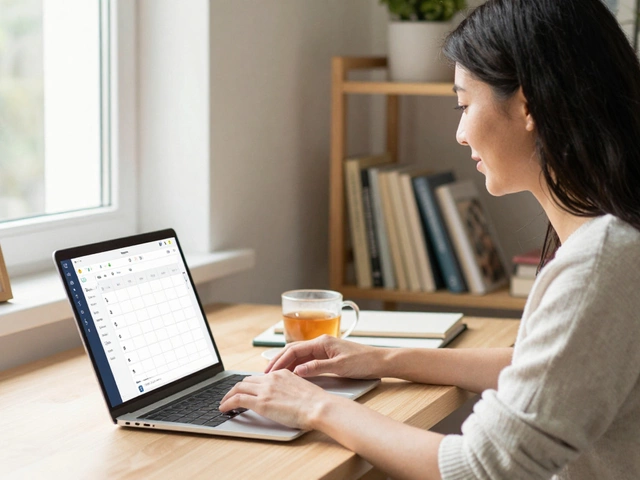
When you learn at your own pace, without being tied to a live class or fixed schedule, you’re experiencing asynchronous learning, a flexible approach to education where students access materials and complete tasks on their own timeline. Also known as self-paced learning, it’s become one of the most practical ways to study—whether you’re a parent juggling childcare, a worker upgrading skills after hours, or a student with a busy timetable.
This style of learning doesn’t need everyone to be online at the same time. You watch a video, read a guide, or take a quiz when it fits your day. That’s different from live Zoom classes or scheduled webinars, which are called synchronous learning. Asynchronous learning gives you control. You can pause, rewind, or revisit content until it clicks. No rush. No pressure. And it works for all kinds of people—adults going back to school, high schoolers taking extra courses, or employees training on new safety gear like PPE, which is exactly what we cover here at PPE Lessons.
It’s not just about convenience. Research shows people remember more when they learn in chunks, on their own rhythm. That’s why tools like adult learning, the study of how adults absorb new information, often built around autonomy and real-world use are so tied to asynchronous methods. The four A’s of adult learning, Access, Autonomy, Application, and Assessment—key principles that make training stick, fit perfectly with this model. You get access to materials anytime, choose when to study, apply what you learn to your job or life, and check your progress without waiting for a teacher’s schedule.
At PPE Lessons, you’ll find lessons that work this way. No live sessions. No waiting. Just clear, practical guides on safety gear, workplace rules, and real-life scenarios—so you can learn while you’re on break, after your shift, or before bedtime. Whether you’re trying to understand how to use a respirator correctly, or you’re a teacher looking for ways to teach safety to teens, asynchronous learning lets you go at your speed. And because it’s built around real needs—not rigid timetables—it sticks.
You’ll also see posts that connect to this style. Like how adult basic learning helps people with low literacy build skills without feeling rushed. Or how memory techniques like spaced repetition work better when you can review material over days, not just in one sitting. Even online school vs homeschool debates often come down to whether learning needs to be live—or if it’s better when it’s flexible and repeatable.
Asynchronous learning isn’t about skipping effort. It’s about working smarter. You still need to show up for yourself. But now, you get to choose when, where, and how. And that’s why it’s growing fast—not just in universities, but in workplaces, trade schools, and safety training programs across the UK and beyond.
Below, you’ll find real guides, checklists, and comparisons that show how asynchronous learning plays out in practice. From free beginner courses to tips for staying focused when no one’s watching—every post here is built for people who learn on their own terms.