Homeschooling Setup: What You Need to Get Started Right
When you start homeschooling setup, the physical and organizational structure you create to support daily learning at home. Also known as a home learning environment, it’s not just about putting a desk in the living room—it’s about designing a system that fits your child’s rhythm, your family’s pace, and real-life constraints. Many think you need a fancy classroom or expensive tools, but the best setups are simple, flexible, and built around what actually works for your kid.
One big mistake? Trying to copy what you saw online. That sleek wooden desk with labeled bins? It might look great on Instagram, but if your 8-year-old can’t sit still for 20 minutes, it’s just clutter. Real homeschool curriculum, the collection of lessons, materials, and goals that guide daily learning doesn’t need to be perfect—it needs to be usable. Whether you’re using free online resources, bought workbooks, or just books from the library, the key is consistency, not complexity. And if your child learns better while standing, walking, or lying on the floor? Let them. Movement isn’t distraction; it’s part of how their brain processes information.
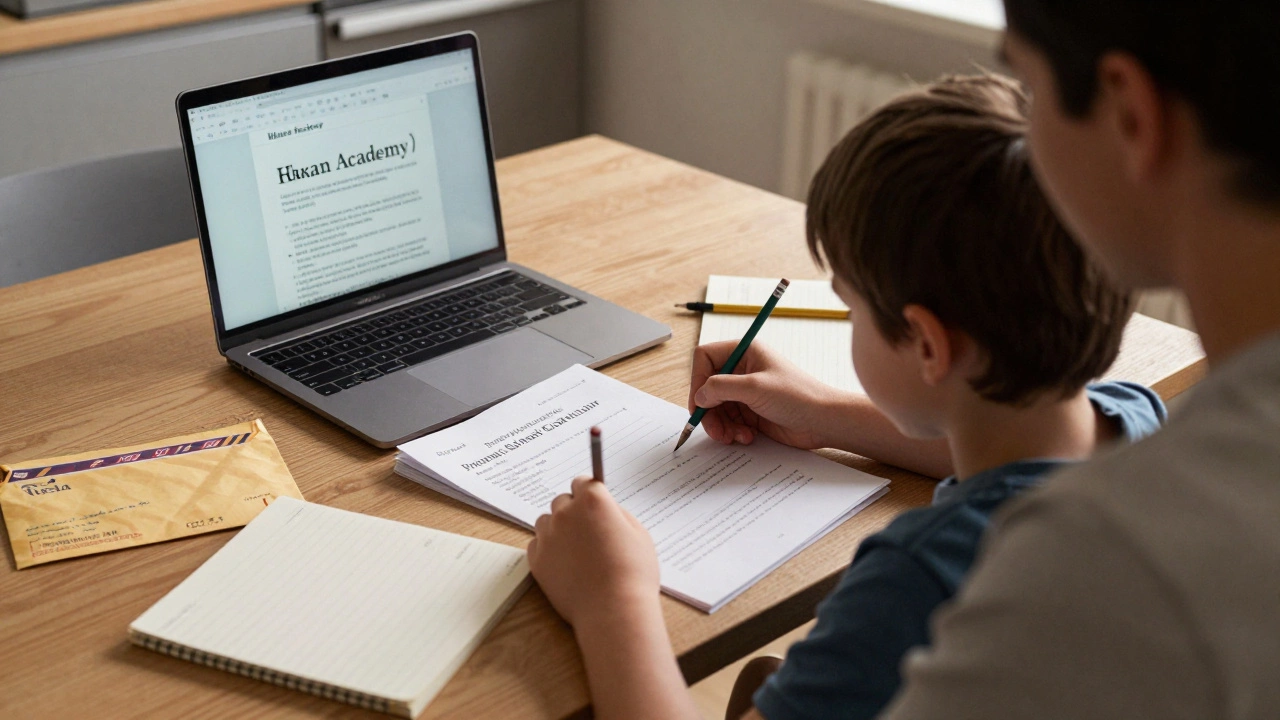
Your homeschooling space, the designated or adaptable area where learning happens daily doesn’t have to be a separate room. A corner of the kitchen table, a quiet spot under the stairs, even a comfy chair by the window can work—if it’s consistent. The best setups have minimal distractions, clear storage for supplies, and room to spread out when needed. Keep supplies in labeled bins so your child can grab what they need without asking. That builds independence—and saves you from being the constant supply runner.
And don’t forget the human side. homeschooling resources, tools, communities, and guides that support learning outside formal curricula aren’t just about worksheets. They’re about connection: local co-ops, free museum days, YouTube science channels, podcasts for teens, even weekly library story hours. These aren’t extras—they’re the glue that keeps learning real. Kids don’t learn in isolation. They learn by doing, talking, asking, and exploring. Your job isn’t to be the teacher of everything. It’s to be the facilitator of curiosity.
There’s no single right way to set up a homeschool. Some families stick to a strict schedule. Others go with the flow. Some use tech-heavy platforms. Others use chalkboards and crayons. What matters is that your setup reduces friction, not adds it. If you’re spending more time organizing than learning, it’s time to simplify. If your child dreads the morning routine, it’s time to change it. Homeschooling isn’t about replicating school at home. It’s about creating a better learning experience—one that fits your child, not a textbook.
Below, you’ll find real stories and practical advice from families who’ve been there. From budget-friendly tips to how to handle distractions, from choosing the right materials to knowing when to let go of the plan—you’ll find what actually works, not just what looks good on Pinterest.