Synchronous Learning: What It Is and How It Works in Real-Time Education
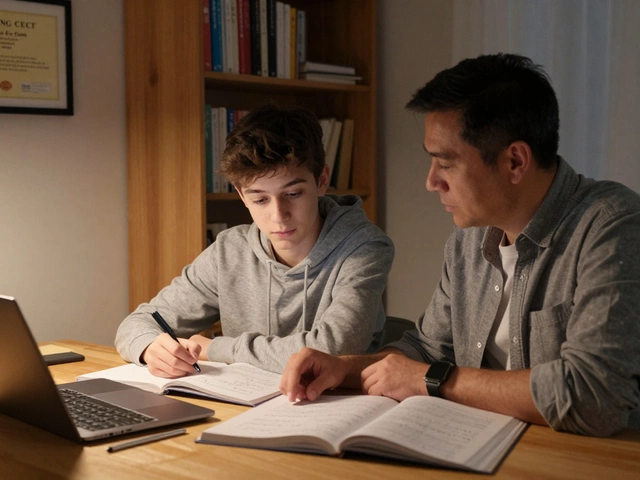
When you join a live Zoom class, attend a webinar with your team, or sit in a school lecture where everyone is present at the same time, you’re experiencing synchronous learning, a method of education where students and instructors interact in real time, often with immediate feedback and shared activities. Also known as live learning, it’s the opposite of watching a recorded video on your own schedule. This isn’t just about technology—it’s about connection. People learn better when they can ask questions right away, see reactions, and feel part of a group—even if they’re miles apart.
Synchronous learning requires three things: a shared time, a shared space (digital or physical), and active participation. It’s what makes online college lectures feel alive, not just another video. Teachers use it in schools, companies train teams with it, and adult learners join live sessions to stay on track. It’s not always perfect—internet drops happen, time zones clash—but when it works, it’s powerful. You get instant answers, group discussions, and accountability. Unlike self-paced courses, you can’t just pause and come back tomorrow. You show up, or you miss out.
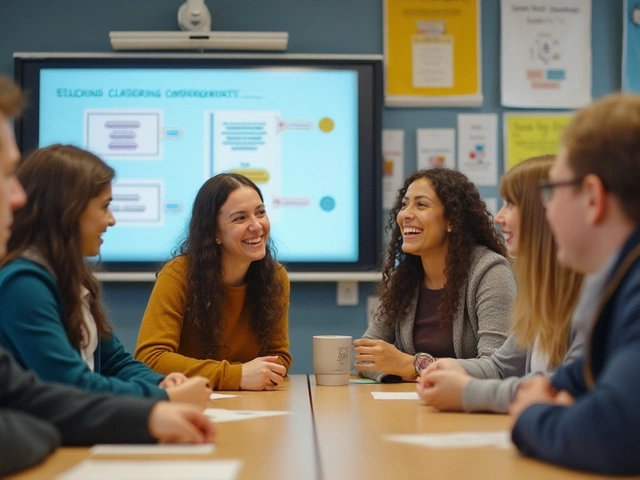
This style of learning connects directly to other key ideas in education. virtual classroom, a digital environment where real-time teaching and learning happen through video, chat, and shared screens is the main tool for synchronous learning today. It’s not just Zoom—it’s platforms like Microsoft Teams, Google Meet, or specialized learning systems that let teachers share whiteboards, run polls, and break students into small groups. Then there’s real-time education, any learning that happens as it’s being taught, with immediate interaction between learners and instructors. This isn’t new. Think of apprenticeships, lab classes, or even old-school lectures. The only thing that changed is the room.
People often compare synchronous learning to asynchronous learning—where you watch recordings and do assignments on your own. But the two aren’t rivals. They’re partners. Many programs mix both: live sessions for discussion and Q&A, then recorded lectures for review. That’s what makes modern education flexible without losing the human touch. And in a world full of distractions, synchronous learning keeps you focused. You’re not alone in your learning journey—you’re with others, right now.
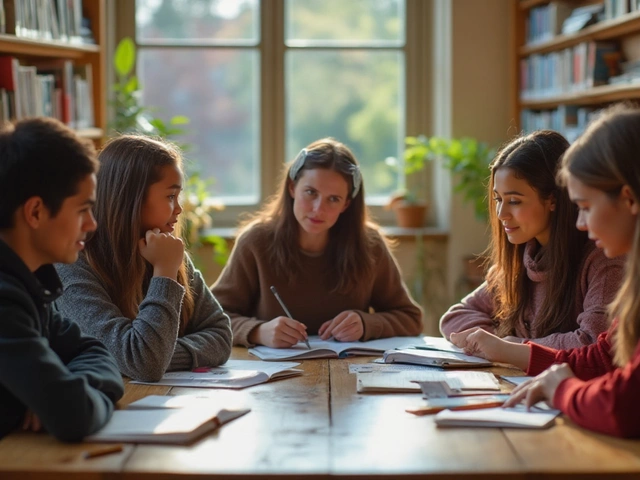
Looking at the posts here, you’ll find real examples of how people learn in today’s world. From adult education to online school vs homeschool, many of these topics touch on how time, structure, and interaction shape learning. Some posts talk about why learning gets harder as you age—synchronous sessions can help with that by building routine and social support. Others compare online and in-person teaching—both rely on timing and presence. You’ll see how tools like virtual classrooms are used in real life, how adult learners benefit from live instruction, and why some students thrive when they’re part of a group—even if that group is online.
What you’ll find below isn’t just theory. It’s practical, real-world insight—from parents choosing between online school and homeschool, to adults trying to learn new skills without falling behind. Whether you’re a teacher, a student, or just someone trying to get better at learning, understanding synchronous learning helps you make smarter choices. You’ll know when to show up live, when to watch later, and why the difference matters more than you think.