





Exam Brain Fuel Calculator
Select the foods you plan to eat before your exam to see how they impact your cognitive fuel score.
Breakfast Options
Snacks & Hydration
Brain Fuel Score
Pro Tip:
Start by selecting a breakfast option like Oatmeal or Eggs to build a strong foundation.
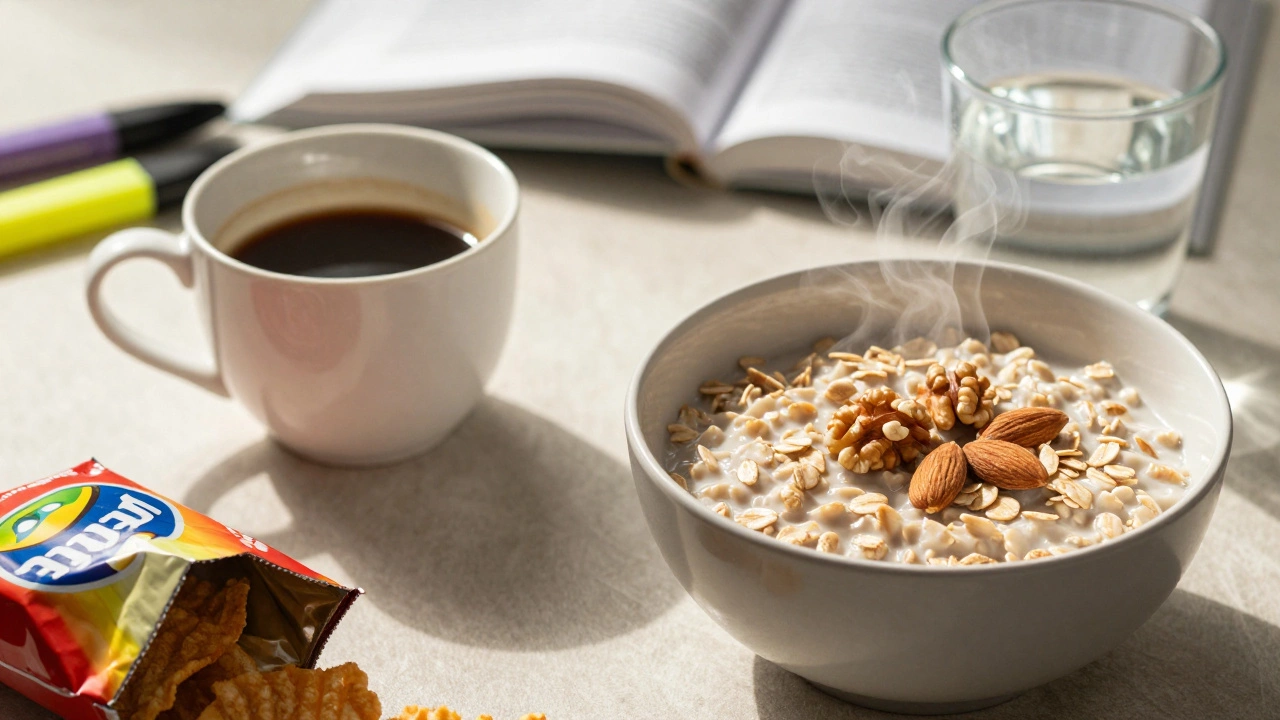
You’ve crammed the notes. You’ve highlighted the textbooks. But as you sit down at the desk with a cup of lukewarm coffee and a packet of crisps, your mind feels foggy. It’s not just about how much you studied; it’s about what you’re fueling that study session with. Your brain is an organ, and like any muscle, it needs the right nutrients to perform under pressure.
Many students treat their diet as an afterthought during revision season. They skip breakfast, rely on energy drinks, or binge on sugary snacks for a quick hit. This approach often backfires, leading to crashes in concentration and heightened anxiety. The truth is, specific foods can sharpen memory, sustain energy levels, and calm nerves naturally. Let’s look at exactly what you should be eating to give yourself every advantage before walking into that exam hall.
The Science of Cognitive Fuel
Your brain accounts for only about 2% of your body weight, yet it consumes roughly 20% of your daily calories. It doesn’t run on fat or protein primarily; it runs on glucose. However, not all glucose is created equal. Simple sugars from candy or soda cause a rapid spike in blood sugar followed by a sharp drop. This "sugar crash" leaves you feeling tired, irritable, and unable to focus-exactly when you need clarity the most.
Instead, you want complex carbohydrates that release energy slowly. Think of it like burning logs instead of kindling. Logs burn steady and long; kindling flares up and dies out quickly. Foods rich in fiber, healthy fats, and antioxidants support this steady burn while protecting brain cells from stress-induced damage.
Why do I feel tired after eating sugary snacks while studying?
Sugary snacks cause a rapid spike in blood glucose, prompting your pancreas to release insulin to lower it. This often results in reactive hypoglycemia, or a "crash," where blood sugar drops below baseline levels, leading to fatigue, brain fog, and irritability within an hour.
Top Picks for Sustained Energy
To keep your mind sharp for hours, start with foods that provide a slow-release energy source. Complex carbohydrates are your best friend here. Whole grains like oats, brown rice, and whole-wheat bread contain B vitamins, which help convert food into energy. A bowl of oatmeal for breakfast isn’t just comfort food; it’s a functional tool for maintaining attention spans throughout the morning.
Nuts and seeds are another powerhouse category. Walnuts are particularly notable because they resemble the shape of the brain-a fun mnemonic, but also scientifically relevant. They are packed with omega-3 fatty acids, specifically alpha-linolenic acid (ALA). Omega-3s are essential building blocks for brain cell membranes. Studies suggest that adequate intake of these fats improves memory and cognitive flexibility. Almonds offer vitamin E, an antioxidant that protects brain cells from oxidative stress caused by intense mental effort.
- Oats: Low glycemic index, high fiber, sustained energy.
- Walnuts: Rich in omega-3s, supports memory function.
- Almonds: High in vitamin E, protects against cellular damage.
- Chia Seeds: Contains both fiber and omega-3s, easy to add to smoothies.
Hydration: The Overlooked Factor
We often think of "food" when discussing brain fuel, but water is arguably more critical. Even mild dehydration-losing just 1-2% of your body’s water content-can impair short-term memory, concentration, and psychomotor skills. If you’ve ever felt a headache coming on during a long study session, check your water bottle first.
Aim for clear or pale yellow urine as a simple indicator of hydration status. Avoid excessive caffeine, which acts as a diuretic and can dehydrate you further. While a moderate amount of caffeine can boost alertness, pairing it with plenty of water ensures you don’t pay for that boost later with dehydration headaches.
Foods That Calm Nerves
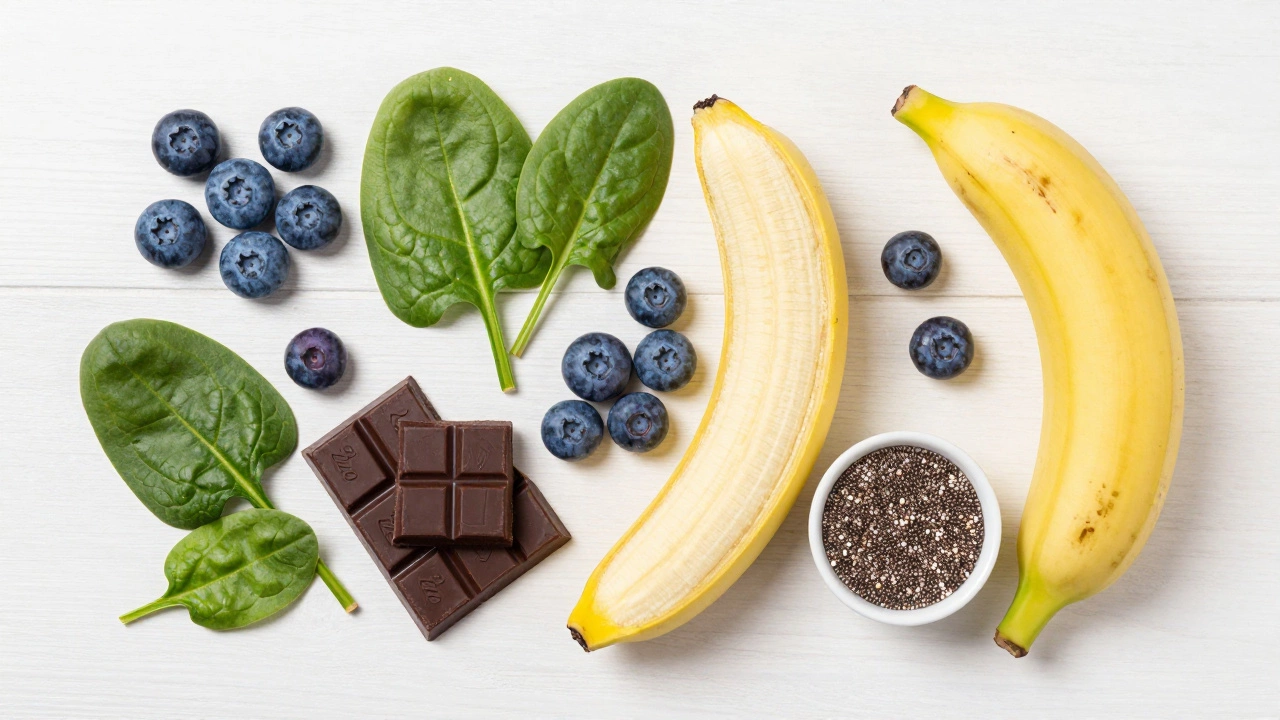
Exam anxiety is real, and it can paralyze your ability to recall information. Certain foods can help regulate cortisol, the stress hormone. Dark chocolate, for instance, contains flavonoids that improve blood flow to the brain and may reduce stress hormones. Choose chocolate with at least 70% cocoa content to minimize sugar intake while maximizing antioxidant benefits.
Bananas are another excellent choice. They are rich in potassium, which helps regulate fluid balance and nerve signals, and tryptophan, an amino acid that your body converts into serotonin. Serotonin is a neurotransmitter associated with feelings of well-being and calm. Eating a banana during a stressful revision period can provide a gentle mood lift without the jitters of stimulants.
| Food Item | Key Nutrient | Benefit for Exams | Best Time to Eat |
|---|---|---|---|
| Dark Chocolate (70%+) | Flavonoids | Improves blood flow, reduces cortisol | Mid-afternoon slump |
| Banana | Potassium & Tryptophan | Calms nerves, boosts serotonin | Morning or pre-exam |
| Green Tea | L-Theanine | Promotes relaxation without drowsiness | During study sessions |
The Morning Of: What to Eat Before the Test
Your breakfast on exam day sets the tone for the next few hours. Avoid heavy, greasy meals that divert blood flow to your digestive system, leaving your brain starved of oxygen and nutrients. Instead, opt for a balanced plate containing protein, complex carbs, and healthy fats.
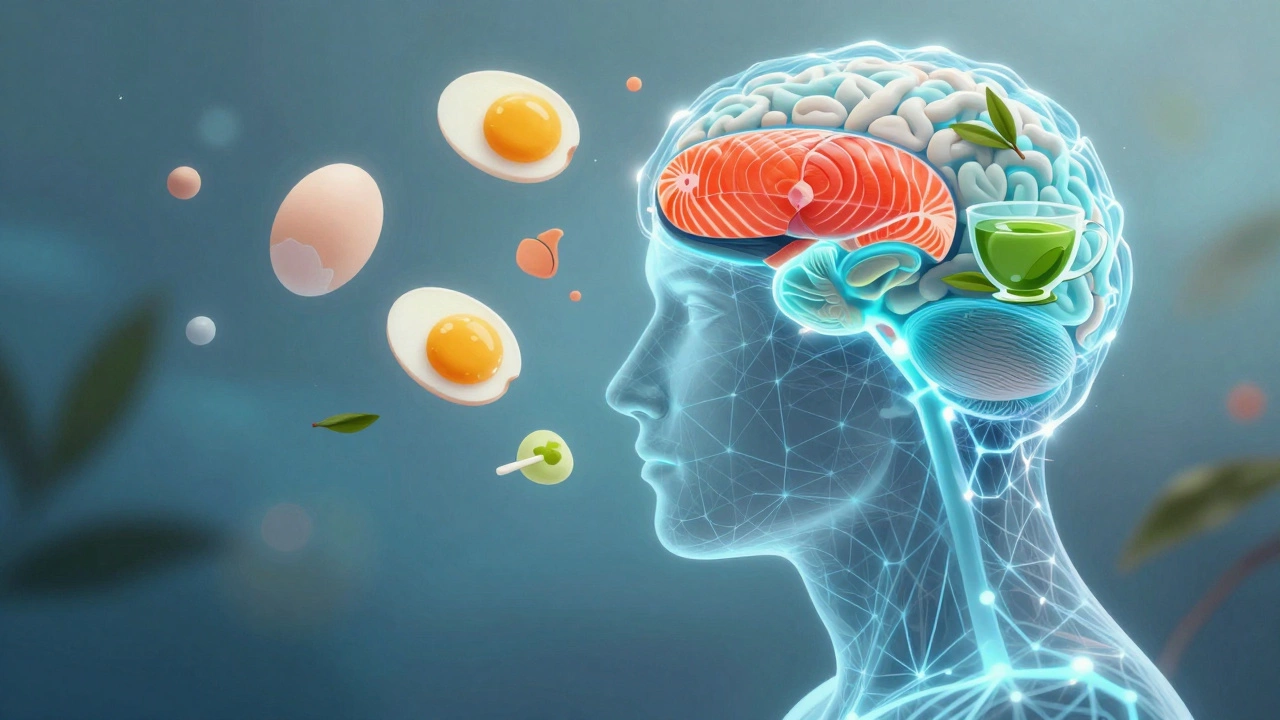
Consider eggs as a primary protein source. Eggs are rich in choline, a nutrient that plays a vital role in memory and brain development. Choline is used to create acetylcholine, a neurotransmitter involved in learning and memory. Pair two boiled eggs with a slice of whole-grain toast and some avocado. This combination provides choline, steady energy from carbs, and heart-healthy fats from the avocado.
If you’re short on time, a smoothie can be effective. Blend spinach, berries, Greek yogurt, and a handful of nuts. Berries like blueberries are loaded with anthocyanins, antioxidants that have been shown to delay brain aging and improve memory. The liquid form digests quickly, providing energy without the heaviness of a solid meal.
Snacks to Keep in Your Bag
During breaks between exams, you need something light that won’t make you sleepy. Avoid large sandwiches or pasta dishes. Stick to portable, nutrient-dense options.
- Trail Mix: Combine unsalted nuts, seeds, and a small amount of dried fruit. Watch out for added sugars in commercial mixes.
- Cheese Sticks: Provide protein and calcium, which can help stabilize mood.
- Apple Slices: Offer natural sweetness and fiber. Pair with peanut butter for added protein to prevent a blood sugar spike.
- Hard-Boiled Egg: Easy to pack and eat, providing immediate choline and protein.
Foods to Avoid During Exam Season
Just as important as knowing what to eat is knowing what to skip. Highly processed foods, fried items, and sugary cereals can lead to inflammation and sluggishness. Alcohol should be strictly avoided, as it disrupts sleep architecture and impairs memory consolidation, even if it seems to help you relax initially.
Energy drinks are a common trap. They promise focus but deliver jitteriness and subsequent crashes. The high sugar content combined with excessive caffeine can increase anxiety levels, making it harder to think clearly. Stick to water, herbal tea, or black coffee in moderation.
Building a Long-Term Study Diet
While last-minute changes can help, consistent nutrition over weeks leads to better outcomes. Incorporate fatty fish like salmon or mackerel into your weekly meals. These are rich in DHA, a type of omega-3 fatty acid crucial for brain health. Leafy greens such as kale and spinach provide folate, which supports cognitive function.
Don’t underestimate the power of routine. Eating at regular intervals prevents hunger pangs from distracting you. Plan your meals ahead of time so you’re not resorting to vending machine options when stress hits. Preparation is key, both in your studies and in your kitchen.
Is coffee good for studying?
In moderation, yes. Caffeine can enhance alertness and concentration. However, limit intake to one or two cups per day to avoid anxiety and sleep disruption. Timing matters too; avoid caffeine within six hours of bedtime to protect your sleep quality, which is essential for memory retention.
What should I eat if I have no appetite due to stress?
Try liquid nutrition like smoothies or milkshakes made with nutritious ingredients. Small, frequent bites of easily digestible foods like crackers, bananas, or yogurt can also help. Don't force large meals; focus on getting enough calories and nutrients through smaller amounts to maintain energy levels.
Do supplements help with brain function?
Whole foods are generally superior to supplements because they offer a complex matrix of nutrients that work synergistically. However, if you have a diagnosed deficiency (like Vitamin D or B12), supplementation under medical guidance can be beneficial. Always prioritize dietary sources first.
How does sleep affect brain food effectiveness?
Sleep is when your brain consolidates memories and clears out metabolic waste. No amount of brain food can compensate for severe sleep deprivation. Aim for 7-9 hours of quality sleep. Poor sleep reduces the brain's ability to utilize nutrients effectively, making even the best diets less impactful.
Can skipping breakfast hurt my exam performance?
Yes. Skipping breakfast can lead to low blood sugar levels, resulting in poor concentration, irritability, and reduced memory recall. Starting the day with a nutritious meal primes your brain for learning and helps maintain stable energy levels throughout the morning.