






Private Tutor Terminology Quiz
Test Your Knowledge
Select the correct answer for each question based on the article about private tutor terminology.
1. When should you use "private tutor" instead of just "tutor"?
2. What does "independent tutor" specifically indicate?
3. What's the key difference between an "exam tutor" and a "subject tutor"?
4. When would you use the term "home tutor"?
5. What does a "study coach" primarily focus on?
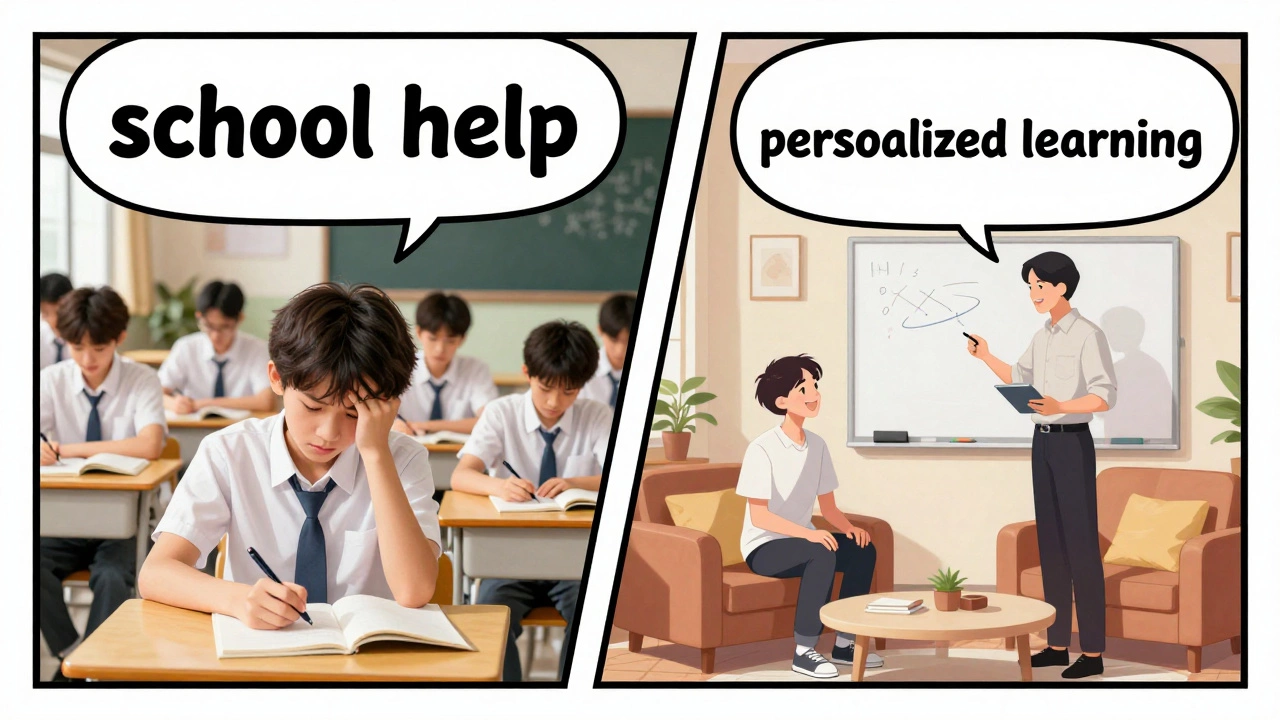
Ever sat in a quiet room with someone helping you understand algebra, or maybe your child’s been working with someone after school to get through French verb conjugations, and you just couldn’t figure out what to call them? You say "tutor," but is that enough? Is it "private tutor," "independent tutor," or something else entirely? The truth is, what you call a private tutor depends on who’s doing the calling - and where you are.
"Tutor" Is the Simplest, Most Common Term
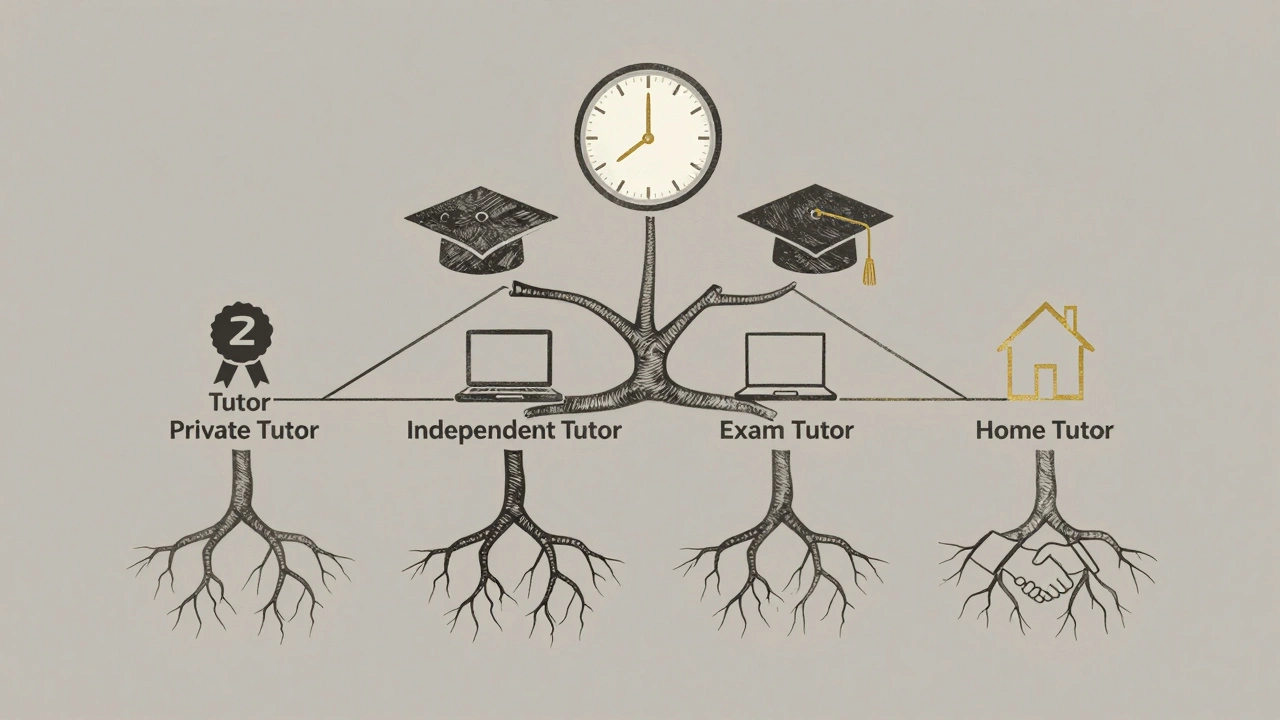
In everyday speech, most people just say "tutor." It’s short, clear, and gets the job done. If you’re talking to a neighbor, a teacher, or even your kid’s school counselor, saying "My daughter has a tutor for math" is perfectly normal. You don’t need to add "private" unless someone might confuse it with a school-based teacher or a group revision session.In Ireland, the UK, and much of the Commonwealth, "tutor" alone is the default. You’ll see ads that say "Experienced tutor for Leaving Cert," not "Private tutor for Leaving Cert." The word "private" is often assumed - especially when the tutoring happens outside school hours, in someone’s home or online.
"Private Tutor" Clarifies the Setting
You reach for "private tutor" when you need to make a distinction. Maybe you’re comparing options: "My son gets group lessons at the learning center, but he also has a private tutor for chemistry." Or you’re filling out a form that asks for "type of support," and "tutor" alone feels too vague."Private" here doesn’t mean expensive - it means one-on-one, outside the formal school system. A private tutor might work for an agency, be self-employed, or even be a retired teacher. The key is that they’re not employed by the school. In fact, many state school teachers in Ireland take on private tutoring on the side. They’re still called private tutors, even though they’re also public school employees.
"Independent Tutor" Is the Professional Term
If you’re browsing tutoring platforms like Tutorful, MyTutor, or even local Facebook groups in Dublin, you’ll often see "independent tutor" used. This isn’t just fancy wording - it signals something specific. An independent tutor runs their own business. They set their own rates, handle their own scheduling, manage their own marketing, and usually don’t work under a larger company.Independent tutors often have higher qualifications - degrees, PGCEs, or years of classroom experience. They might be registered with the Teaching Council of Ireland or hold DBS checks. Parents looking for reliability often prefer independent tutors because they’re directly accountable. No middleman. No agency fee. You’re paying the person who’s actually teaching.
"Subject Tutor" or "Exam Tutor"? Specify the Focus
Sometimes, the title tells you what they’re good at, not just how they work. "Subject tutor" means they specialize in one area - like biology, history, or piano. "Exam tutor" is more targeted: they help students prepare for specific tests. In Ireland, that’s usually the Leaving Cert, Junior Cert, or GCSEs. In the UK, it might be A Levels or 11+ entrance exams.Some tutors call themselves "GCSE revision tutors" or "A Level maths specialists." That’s not just branding - it’s a signal that they know the exam board’s format inside out. They’ve seen past papers, know what examiners look for, and can predict the types of questions that come up. A general tutor might help with understanding quadratic equations. An exam tutor will teach you how to get full marks on them.
"Home Tutor" Means the Location
If someone says "home tutor," they’re telling you where the lesson happens - at your house. This is common in rural areas or for younger children. Parents feel safer having someone come to them, especially if they’re juggling work and kids. It’s also popular with students who struggle with travel or have mobility issues."Home tutor" doesn’t mean they’re less qualified. In fact, many home tutors are highly experienced. They might be former teachers who left the classroom but still want to teach one-on-one. The difference is logistical: they travel to you. That convenience often comes with a slightly higher rate, but many families see it as worth the cost.
"Online Tutor" Is the New Normal
Since 2020, online tutoring has exploded. Now, even families who used to only hire home tutors are trying Zoom or Google Meet sessions. The term "online tutor" is now standard. It’s not a lesser version of a tutor - it’s just a different delivery method.Online tutors often use digital whiteboards, screen sharing, and interactive quizzes. Many specialize in remote teaching and have tools built for it. Some even offer recorded sessions for review. In Dublin, many students now take weekly sessions with tutors in Cork, Belfast, or even London - all without leaving their kitchen table.
"Coach" Is Sometimes Used - But It’s Not the Same
You might hear "study coach" or "learning coach" in some circles. This sounds modern, but it’s different. A coach focuses on habits: time management, motivation, organization. They might not teach math or English directly. Instead, they help you learn how to learn.Some tutors double as coaches. But if you need help with fractions or essay structure, you want a tutor. If you’re always procrastinating or can’t focus for more than 20 minutes, you might need a coach - or both.
What Do Agencies Call Them?
Tutoring agencies - like Kumon, Mathnasium, or local Dublin-based firms - often use their own labels. You might see "educational consultant," "learning specialist," or "academic mentor." These aren’t wrong, but they’re marketing terms. They make the service sound more complex than it is.Behind the fancy title, they’re still tutoring. The real difference is cost. Agencies usually charge 30-50% more because they handle admin, vetting, and replacements. If you go directly to a tutor, you save money and build a direct relationship.
What’s the Best Term to Use?
There’s no single right answer. But here’s what works in practice:- Use "tutor" in casual conversation.
- Use "private tutor" when you need to distinguish from school-based help.
- Use "independent tutor" if you’re comparing professionals and want to highlight self-employment.
- Use "exam tutor" or "subject tutor" to show expertise.
- Use "online tutor" or "home tutor" to describe how the lessons happen.
Don’t overthink it. Most people understand what you mean. But if you’re hiring someone - or writing a job ad - being precise helps. A parent looking for a "private tutor for Leaving Cert Chemistry" will find the right person faster than someone searching for just "a tutor."
Why Does the Name Matter?
It matters because the name tells you what to expect. A "tutor" might give you general help. An "exam tutor" knows the marking scheme. An "independent tutor" has skin in the game - their reputation depends on your results. A "home tutor" brings their own materials and adapts to your space.When you know what each term means, you can choose the right person for the right job. And if you’re the one offering tutoring? Use the term that best describes your service. Don’t hide behind buzzwords. Say what you do. Be clear. That’s what builds trust.
Is a private tutor the same as a teaching assistant?
No. A teaching assistant works inside a school, helping a teacher manage a classroom or support students with special needs. They’re employed by the school and usually don’t provide one-on-one instruction outside the school day. A private tutor works independently, often outside school hours, and focuses on individual learning goals.
Can a university student be a private tutor?
Yes, many university students work as private tutors, especially in subjects they’re studying. A third-year math student might tutor GCSE students, or a med student might help with biology. They’re often more affordable and can relate well to younger students. Just make sure they have experience, not just knowledge - tutoring is a skill.
Do private tutors need qualifications?
There’s no legal requirement in Ireland or the UK to hold a teaching qualification to be a private tutor. But serious tutors usually have degrees, teaching certifications, or at least several years of experience. Parents should ask for references, check DBS/ garda vetting, and see if they’ve worked with similar students before.
How much do private tutors charge in Ireland?
Rates vary by experience and subject. In Dublin, a new tutor might charge €20-€25 per hour. A qualified teacher or exam specialist can charge €40-€70. Subjects like Latin or advanced physics often cost more. Online tutors may charge slightly less than home tutors due to lower travel costs.
Can a private tutor help with learning disabilities?
Yes, many private tutors specialize in working with students who have dyslexia, ADHD, or other learning differences. They adapt their methods - using multisensory techniques, breaking tasks into smaller steps, or building routines. Some are trained in specific programs like Orton-Gillingham. Always ask about their experience with the specific need your child has.