



Inclusive Language Checker
Check Your Language
Enter a phrase you've heard or used to describe children with disabilities. We'll analyze it for respect, accuracy, and current best practices.
When someone asks, "What do you call kids with special needs?" it’s not just a question about words-it’s about respect, dignity, and how we see each other. The term "special needs" has been used for decades, but it’s not the clearest, most accurate, or most respectful label anymore. And if you’re a parent, teacher, or caregiver trying to get it right, you’re not alone. Many people feel confused, even guilty, when they realize the language they’ve been using might not be the best fit.
Why "special needs" is fading out
"Special needs" sounds kind. It’s soft. It’s meant to protect. But here’s the problem: it’s vague. What does "special" even mean? Does it mean gifted? Different? Struggling? The word doesn’t tell you anything specific about the child. And "needs"? That frames the child as a problem to be fixed, not a person with rights.In Ireland, the Department of Education stopped using "special needs" in official documents back in 2022. They switched to "children with disabilities" or "children with specific learning difficulties." Why? Because precision matters. If a child has dyslexia, say dyslexia. If they’re autistic, say autistic. If they use a wheelchair, say they use a wheelchair. These aren’t labels-they’re facts.
Think of it like this: you wouldn’t call someone with diabetes a "person with health needs." You’d say they have diabetes. Same logic applies here.
What to say instead
There’s no single perfect phrase that works for every child. But there are clear, respectful alternatives that are widely accepted in education and disability rights circles:- Child with a disability - This is the most common term used in law and policy, including the UN Convention on the Rights of Persons with Disabilities.
- Child with autism - Specific, accurate, and preferred by many autistic adults and families.
- Child with dyslexia - Naming the condition helps target support, not stigmatize.
- Child who uses a wheelchair - Puts the person first, not the device.
- Child with learning differences - A softer alternative if you’re talking about educational support rather than medical diagnosis.
Always remember: person-first language ("child with autism") is still widely used and accepted. But many autistic and Deaf communities now prefer identity-first language ("autistic child") because their difference isn’t something separate from who they are-it’s part of their identity. The best move? Ask the family. If you’re unsure, default to person-first until you know their preference.
What NOT to say
Some phrases might sound harmless, but they carry old, harmful baggage:- "Handicapped" - Outdated, clinical, and offensive. It comes from a time when people with disabilities were seen as beggars holding out their hands.
- "Mentally retarded" - This term is now illegal in educational settings across the EU and UK. It’s deeply dehumanizing.
- "Special" as a standalone label - "She’s special." No. She’s a child who needs extra support in reading. Be specific.
- "Suffers from" - Children don’t "suffer from" autism or ADHD. They live with it, learn with it, thrive with it. Language shapes perception.
- "Normal" - When you say "most kids are normal," you’re implying the child isn’t. That’s not helpful. Say "typical development" instead.
Why language changes matter in school
Words shape how teachers plan lessons. They shape how classmates treat each other. They shape how a child sees themselves.A 2023 study from University College Dublin followed 120 primary schools over two years. Schools that trained staff to use precise, respectful language saw:
- 37% increase in peer inclusion during group activities
- 29% drop in bullying incidents involving children with disabilities
- 41% improvement in parent-teacher communication
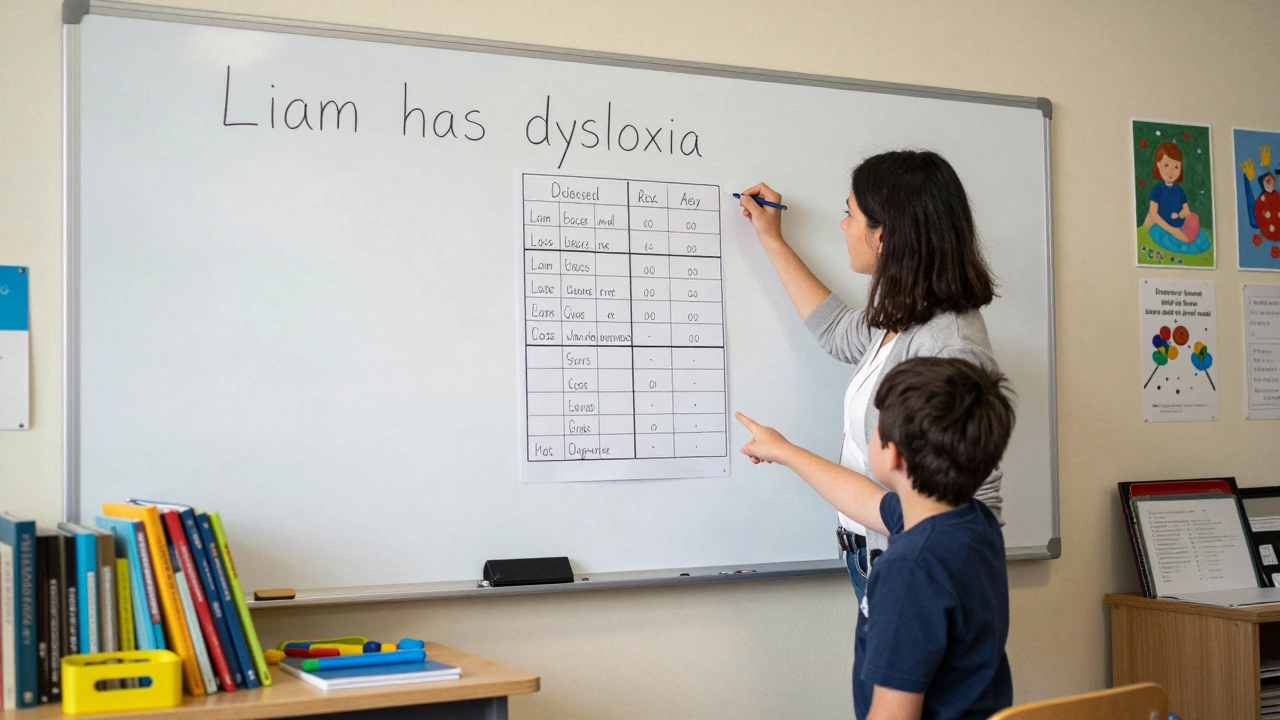
Why? Because when teachers say "We’re adjusting the reading material for Liam because he has dyslexia," it normalizes difference. When they say "Liam needs special help," it creates distance.
Language doesn’t just describe reality-it builds it.
Real-life examples from Irish classrooms
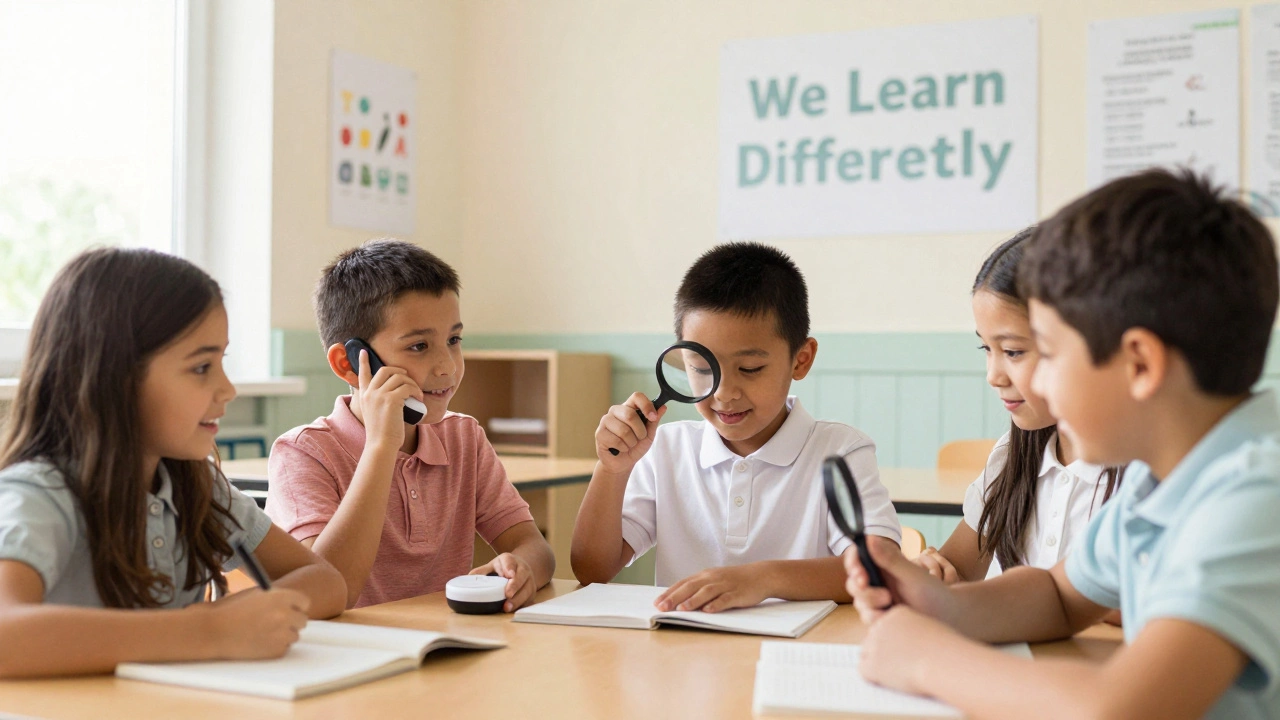
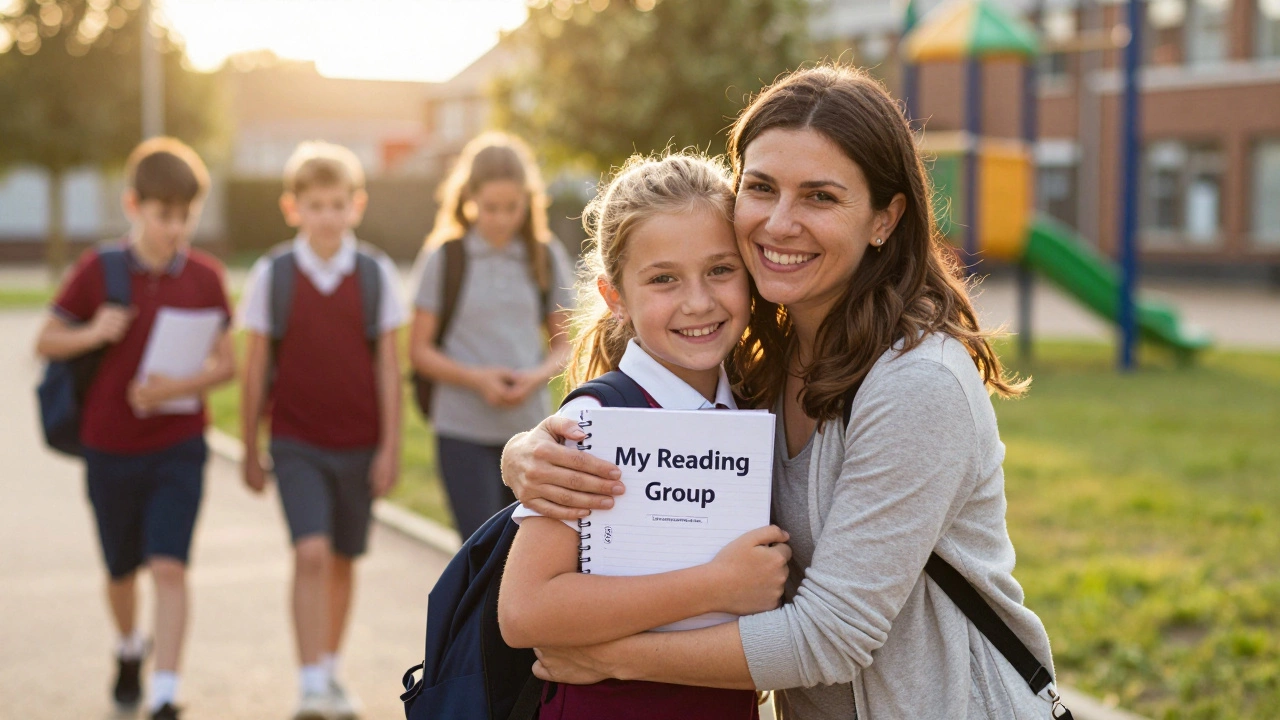
In a school in Cork, teachers started using "children with learning differences" on their classroom displays instead of "Special Needs Group." The change was small, but the impact was big. One child, aged 8, told her mom: "I didn’t know I was in a group. I thought we were just doing our reading."In a Dublin secondary school, a student with cerebral palsy asked his teacher to stop saying "you’re so brave" for doing normal things like walking to class. "I’m not brave," he said. "I’m just me. Can you just say hi?"
That moment changed how the whole staff talked about disability.
How to get better at this
You don’t need to memorize a dictionary. Just follow three simple rules:- Be specific. Use the actual diagnosis or need if you know it: dyspraxia, ADHD, visual impairment.
- Put the child first. Say "a child who has..." not "a disabled child."
- Ask. If you’re unsure, say: "How would you like me to talk about this?"
Parents and caregivers are the experts on their children. If a family says "We prefer autistic child," listen. If they say "We like child with autism," use that. You’re not here to correct them-you’re here to support them.
It’s not about perfection. It’s about respect.
You’re going to mess up sometimes. Maybe you’ll say "special needs" by accident. Maybe you’ll hear someone else say it and feel awkward. That’s okay. What matters is what you do next.Apologize briefly. Correct yourself. Move on. Say: "Sorry, I meant child with ADHD." Then keep talking. No long speeches. No guilt. Just change the habit.
Language evolves. So should we. The goal isn’t to be perfect. It’s to be present. To see the child-not the label.
What about inclusive education?
Using the right words is just the start. True inclusion means designing classrooms where every child can learn, not just labeling them. It means:- Providing assistive technology, not just extra help
- Training all teachers-not just "special needs" teachers
- Letting children lead conversations about their own needs
- Removing physical and social barriers, not just "fixing" the child
Language is part of that. But it’s only the first step.
Is "special needs" still acceptable to use?
While some people still use "special needs," it’s increasingly seen as outdated and vague. Many organizations, including Ireland’s Department of Education, have moved away from it. More precise terms like "child with a disability" or "child with dyslexia" are preferred because they’re clearer and more respectful. If you’re in a professional or educational setting, it’s best to avoid "special needs" unless the family specifically prefers it.
Should I say "autistic child" or "child with autism"?
Both are used, but preferences vary. Many autistic adults prefer "autistic child" because they see autism as part of their identity, not something separate. Others, especially parents, may prefer "child with autism." The best approach is to ask the family or individual. If you can’t ask, default to person-first language ("child with autism") as it’s still widely accepted in educational settings.
What if I accidentally say something offensive?
It happens. The key is not to panic. Say a quick apology-"Sorry, I meant child with ADHD"-then move on. Don’t make a big speech or dwell on it. The goal is to learn, not to shame yourself. Most families appreciate the effort to improve, even if you stumble.
Why can’t we just say "disabled kids"?
"Disabled kids" is direct and used by many disability advocates, especially in activist circles. But in schools and formal settings, "children with disabilities" is more common because it’s clearer and less likely to be misunderstood. "Disabled" is a medical or legal term-it describes a condition, not a person’s worth. Using "children with disabilities" helps keep the focus on the child, not the label.
Is this just political correctness?
No. This isn’t about being "politically correct." It’s about dignity. Words shape how we see people and how they see themselves. When a child hears "special needs" over and over, they might start to believe they’re broken. When they hear "you’re learning differently," they understand they’re not alone. Language isn’t just words-it’s how we build belonging.