






Tutor Title Etiquette Calculator
Recommended Form of Address
Enter details above to see the recommendation.
You’ve hired a new private tutor. She’s brilliant, patient, and exactly what your child needs to ace their upcoming exams. But when you sit down for the first session, or when you’re drafting an email to schedule a lesson, a small but nagging question pops into your head: How do I address her?
Is she Mrs? Is she Ms? Does it even matter if she’s married? If you grew up in a household where "Mrs" was the default for any woman with a ring on her finger, this might feel like common sense. But in the world of modern education and private tutoring, the rules have shifted dramatically. Getting this wrong isn’t just a faux pas; it can signal that you’re out of touch with professional norms.
So, what is a married female teacher actually called? The short answer is: whatever she prefers. But the long answer involves understanding why "Ms" has become the gold standard, how to navigate the awkwardness of not knowing her status, and why your tutor likely cares more about her credentials than her marital status.
The Great Title Shift: Why "Ms" Won
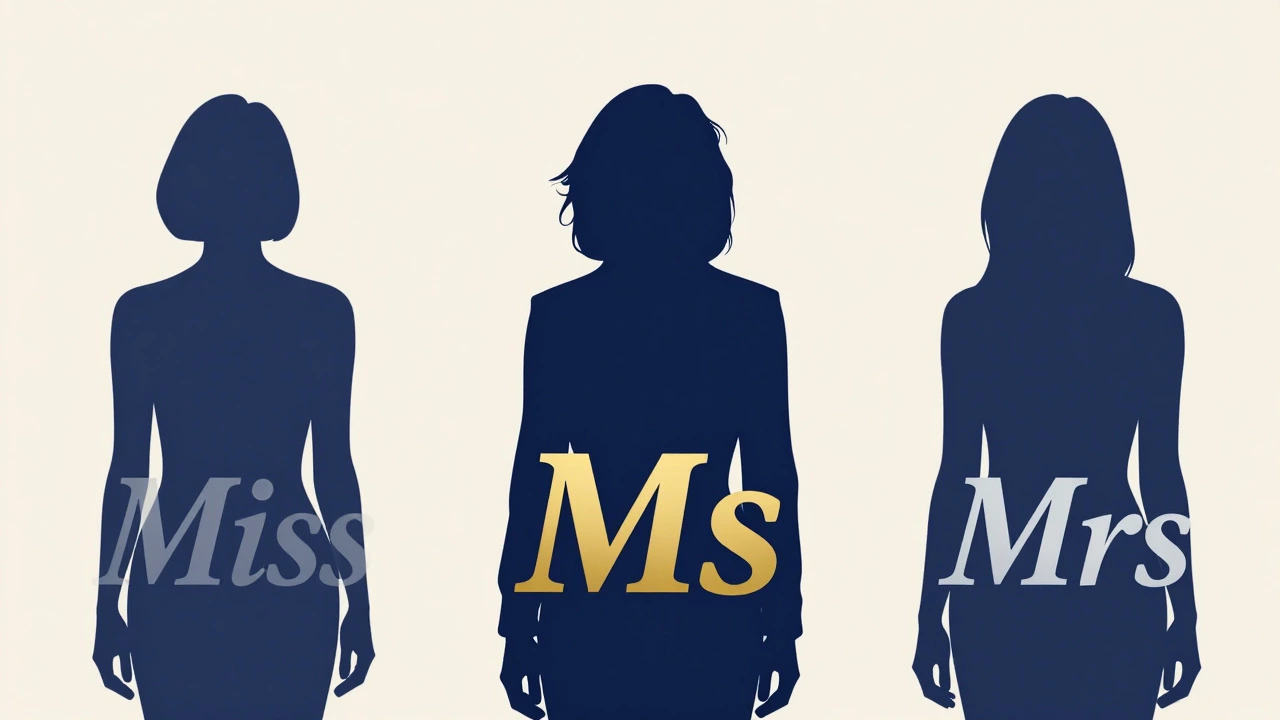
To understand why we don’t just use "Mrs" anymore, we have to look at how language reflects power dynamics. For most of the 20th century, a woman’s name was tied directly to her husband. A single woman was "Miss," implying youth and availability. A married woman was "Mrs," implying ownership by her spouse. There was no neutral ground.
Then came Ms a title used before a woman's name regardless of her marital status. It emerged in the mid-20th century as the direct equivalent to "Mr." Just as we don’t ask men if they are married before calling them Mr., the logic followed that women shouldn’t be defined by their relationship status either.
In the context of private tutoring one-on-one educational instruction provided outside of formal school settings, this shift is critical. When you hire a tutor, you are hiring a professional expert. You are paying for their knowledge of mathematics, literature, or science. Their marital status is irrelevant to their ability to teach calculus or Shakespeare.
Using "Ms" signals respect for her professionalism. It says, "I see you as an educator first." Using "Mrs" without being invited to do so can inadvertently reduce her identity to her marriage. While many older teachers still prefer "Mrs," the default assumption in modern professional settings should always be "Ms" unless told otherwise.
Mrs vs. Ms vs. Miss: Breaking Down the Options
Let’s get specific about the three main titles you’ll encounter. Understanding the nuance between them helps you avoid embarrassment and shows cultural awareness.
| Title | Marital Status Implication | Professional Context | Risk Level |
|---|---|---|---|
| Ms | Neutral (Unknown or Irrelevant) | Safest default for all ages and professions | Low |
| Mrs | Married | Traditional; preferred by some older educators | Medium (Can seem presumptuous) |
| Miss | Unmarried / Young | Often used for younger teachers or in primary schools | High (Can sound patronizing to adults) |
Ms is the Swiss Army knife of titles. It works for a 25-year-old recent graduate and a 60-year-old veteran teacher. It doesn’t make assumptions. In private tutoring, where relationships can be informal yet professional, "Ms [Last Name]" strikes the perfect balance of respect and distance.
Mrs carries weight. If a teacher introduces herself as "Mrs. Smith," she is explicitly inviting you to use that title. Some older teachers, particularly those who started their careers in the 1970s or 80s, may view "Ms" as too cold or modern. They may prefer the warmth and tradition associated with "Mrs." However, guessing wrong here is easy. If you call a single woman "Mrs," it can be confusing. If you call a married woman who identifies strongly with her career "Mrs," she might feel you’re focusing on the wrong thing.
Miss is tricky. In primary schools, it’s still very common. But for adult tutors, especially those specializing in GCSE or A-Level subjects, "Miss" can sometimes sound infantilizing. It emphasizes youth rather than expertise. Unless the tutor is very young and explicitly uses it, steer clear.
The Academic Exception: Dr. and Professor
Here is where things get interesting. Many private tutors, especially those teaching advanced subjects like Physics, Chemistry, or Literature, hold PhDs. If your tutor has a doctorate, the conversation about "Mrs" or "Ms" becomes secondary.
If a woman has earned a PhD Doctor of Philosophy, the highest academic degree awarded by universities, she has spent years earning the right to be called Dr. an honorific title indicating a doctoral degree. In an academic or high-level tutoring context, ignoring this title can be seen as dismissive of her hard work.
So, if your tutor is Dr. Jane Doe, you call her Dr. Doe. Period. It doesn’t matter if she’s married, single, divorced, or widowed. Her academic achievement takes precedence over her marital status. This is a universal rule in higher education and serious private tutoring.
What if she’s a university lecturer? Some may hold the title of Professor. Again, this supersedes gendered titles. Always check the tutor’s bio or introduction. If they list "PhD" or "EdD" (Doctor of Education), lean towards "Dr." If they are unsure, it’s perfectly acceptable to ask, "Do you prefer Dr. or Ms.?" Most academics will appreciate the recognition.
How to Navigate the First Meeting Without Awkwardness
You’ve booked the tutor. You don’t know her marital status. You don’t want to offend her. What do you do? Here is a practical playbook for the first interaction.
- Check the Introduction: Look at how she signed off in emails. Did she sign "Best regards, Sarah" or "Sincerely, Ms. Johnson"? Email signatures are often the best clue.
- Use the Full Name Initially: In the first few minutes, you can simply say, "Hello, it’s great to meet you, Sarah." Or, if you want to be formal, "Hello, Ms. Johnson." Wait for her correction. Most people will correct you immediately if they prefer something else.
- The Direct Ask (Polite Version): If you’re stuck, you can ask gently. "Just so I get it right, do you prefer Ms. or Mrs. Johnson?" This shows you care about getting it right, which is a positive trait in a parent-tutor relationship.
- Observe How Others Address Her: If you’re meeting in a group setting or if other parents are present, listen to how they speak to her. Social proof is powerful.
Remember, in Dublin and across Ireland, there is a growing trend towards informality. Many tutors, especially younger ones, will happily say, "Please, just call me Sarah." Don’t be afraid to drop the title once invited. But start formal, then relax only when given permission.
Why This Matters for Your Child’s Success
You might think this is trivial semantics. Why does one letter change (Ms vs Mrs) matter for math scores? It matters because trust is the foundation of effective tutoring.
When you address a tutor correctly, you validate their professionalism. You show that you respect their role as an educator. This sets a tone for the entire relationship. If the tutor feels respected, she is more likely to invest extra energy, provide candid feedback, and build a rapport with your child.
Conversely, if you consistently use a title that makes her uncomfortable, it creates a subtle barrier. It suggests a lack of attention to detail or a disconnect from modern professional norms. In the delicate dynamic of private tutoring-where the tutor is both an authority figure and a service provider-these small social cues add up.
Furthermore, modeling respectful communication teaches your child valuable lessons. If you treat the tutor with appropriate professional courtesy, your child learns to do the same. It reinforces the idea that education is a serious, valued endeavor.
Special Considerations: Cultural and Regional Differences
While "Ms" is widely accepted in the UK and Ireland, cultural nuances exist. In some traditional communities, "Mrs" is still deeply preferred as a sign of respect for family structure. If you are working with a tutor from a different cultural background, it pays to be observant.
For example, in some Asian cultures, age and seniority play a larger role in title selection than marital status. A younger tutor might be addressed differently than an older one, regardless of marriage. Always prioritize the individual’s preference over general rules.
In Ireland specifically, the education system has moved quite rapidly towards egalitarian titles. Primary school teachers are almost universally addressed as "Ms" or by first name in modern settings. Secondary school teachers and private tutors follow suit. If you find yourself in a rural area or a very traditional school community, "Mrs" might still be more common, but "Ms" remains the safe bet.
What If You Get It Wrong?
Don’t panic. If you call someone "Mrs" and she’s single, or "Ms" and she prefers "Mrs," it’s a minor slip-up. Apologize briefly and move on. "Oh, sorry! Please call me Ms. Smith." Done. People understand that these preferences vary. The key is to correct it quickly and not dwell on it.
The bigger mistake is assuming that a woman’s value or professionalism is tied to her marital status. By keeping the focus on her expertise-her subject knowledge, her teaching style, her results-you align yourself with the goals of private tutoring. After all, you didn’t hire her because she’s married. You hired her because she’s good at her job.
Is it rude to call a married teacher Ms?
No, it is not rude. "Ms" is a professional title that does not indicate marital status. It is the modern standard for addressing women in professional settings, including education. Only if a teacher explicitly states she prefers "Mrs" should you switch.
Should I call my private tutor by her first name?
It depends on the tutor’s preference. Start with "Ms [Last Name]" or "Dr [Last Name]" to be safe. If she invites you to use her first name, you can switch. This is common in informal tutoring arrangements but less common in formal academic settings.
What is the difference between Miss and Ms for teachers?
"Miss" traditionally indicates an unmarried woman, often implying youth. "Ms" is neutral and does not reveal marital status. In professional contexts, "Ms" is preferred because it focuses on the individual’s role rather than their personal life. "Miss" can sometimes sound patronizing to adult professionals.
If a tutor has a PhD, should I call her Dr. or Mrs?
You should call her "Dr." Academic titles take precedence over marital status titles. Using "Dr." acknowledges her educational achievement and professional standing. It is considered more respectful in academic and tutoring contexts.
How do I know if my tutor prefers Mrs or Ms?
Check her email signature, website bio, or introductory materials. If it’s unclear, start with "Ms" as the safest option. You can also politely ask, "Do you prefer Ms or Mrs?" during your first meeting. Most tutors will appreciate the consideration.