






Online Learning Isolation & Strategy Quiz
This interactive quiz helps you identify key challenges in remote education and tests your awareness of solutions to combat the "hidden cost" of isolation.
Loading question...
You hit play on a lecture at 8:00 AM. You pause to make coffee. You check your phone. By the time you resume, twenty minutes have vanished, and you’re staring at a slide about cellular respiration with zero retention. It’s a familiar scene for anyone who has tried distance learning. While the flexibility of online education is its biggest selling point, there is a shadow side that often gets overlooked in marketing brochures. It isn’t just about bad Wi-Fi or technical glitches. The most significant downside of taking online classes is the profound sense of social isolation and the lack of immediate, organic peer interaction.
This isn’t just a feeling; it’s a structural flaw in many remote setups. When you remove the physical classroom, you remove the "third place"-the space between home and work where community forms. In a traditional setting, learning is social. You debate a concept with the person sitting next to you. You pick up on non-verbal cues from the instructor. You feel accountable because someone sees you struggling. Online, you are often an island. This isolation can lead to lower motivation, higher dropout rates, and a shallow understanding of complex topics that benefit from collaborative friction.
The Erosion of Social Learning Dynamics
Social Constructivism is a theory in education suggesting that learners construct knowledge through social interaction. When you take an Online Course, this mechanism breaks down. In a physical lecture hall, if you look confused, the professor notices. If you whisper a question to a neighbor, they might clarify it instantly. These micro-interactions build a safety net for understanding.
In an online environment, these interactions are mediated by text boxes and discussion forums. Text lacks tone. A joke might land flat. A question might seem too simple to post publicly, so you stay silent. Over time, this silence compounds. You stop asking questions because the barrier to entry feels too high. You miss out on the "water cooler" moments where students share study tips or career insights. This loss of informal networking is a tangible cost that doesn’t show up on your transcript but impacts your professional development significantly.
Motivation and the Accountability Vacuum
Without a fixed schedule and physical presence, self-discipline becomes the only engine driving your progress. For many students, especially those balancing jobs or family, this is exhausting. Decision fatigue sets in quickly. Do I study now? Or after dinner? Or tomorrow? Each choice requires mental energy. In contrast, a scheduled class removes the decision. You just show up.
Research indicates that Self-Paced Learning models often suffer from completion rates as low as 15% when not supported by cohort-based activities. The lack of external accountability means procrastination thrives. You might intend to watch the module on Monday, but by Friday, you’re three weeks behind. The psychological weight of catching up creates anxiety, which further reduces motivation. It’s a vicious cycle: isolation leads to procrastination, which leads to stress, which leads to more avoidance.
Technical Barriers and Digital Fatigue
Beyond the social aspect, there is the sheer cognitive load of managing technology. You aren’t just learning the subject; you’re also troubleshooting audio drivers, navigating clunky Learning Management Systems (LMS), and dealing with inconsistent internet speeds. This adds a layer of stress that distracts from deep learning.
Then there is Zoom fatigue. Staring at a grid of faces-or worse, black squares-requires intense concentration to process visual and auditory information simultaneously. Unlike a real room, where peripheral vision helps orient you, digital interfaces flatten depth and context. Your brain works harder to interpret basic social signals, leaving less processing power for the actual course material. This phenomenon, known as cognitive overload, makes long online sessions draining rather than enriching.
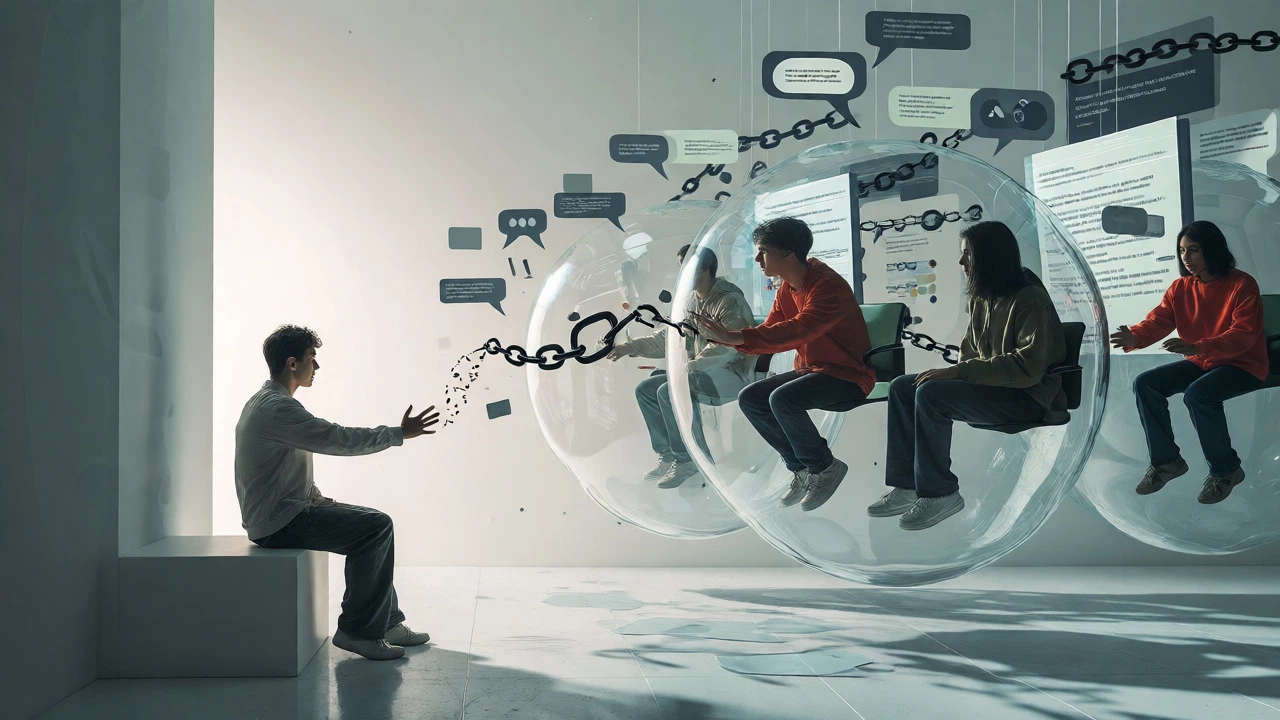
Comparing Traditional vs. Online Class Experiences
To understand the magnitude of these downsides, it helps to compare the two environments directly. While online offers flexibility, traditional settings offer immersion. Here is how key attributes stack up:
| Feature | Traditional Classroom | Online Class |
|---|---|---|
| Peer Interaction | High; spontaneous and nuanced | Low; structured and delayed |
| Accountability | External; enforced by schedule and presence | Internal; relies on self-discipline |
| Cognitive Load | Lower; natural environment aids focus | Higher; technology management adds stress |
| Networking | Organic; builds during breaks/lunch | Intentional; requires extra effort |
| Feedback Loop | Immediate; via facial expressions/questions | Delayed; via email/forum replies |
Who Suffers Most From These Downsides?
Not everyone experiences online isolation equally. Certain groups are more vulnerable. Introverts might actually prefer the quiet of online learning, finding relief from the sensory overload of crowded halls. However, extroverts and kinesthetic learners-who learn by doing and discussing-often struggle immensely. They lose the energy source that fuels their engagement.
Students with certain special needs may also find the lack of structure challenging. Without the physical routine of commuting and entering a dedicated learning space, the boundary between "study mode" and "home mode" blurs. This can be particularly difficult for those who rely on environmental cues to trigger focus. Additionally, younger students, such as GCSE or A Level candidates, miss out on the critical social development phase that happens alongside academic growth. School isn’t just about grades; it’s about learning to navigate social hierarchies and collaborate, skills that screens cannot fully replicate.
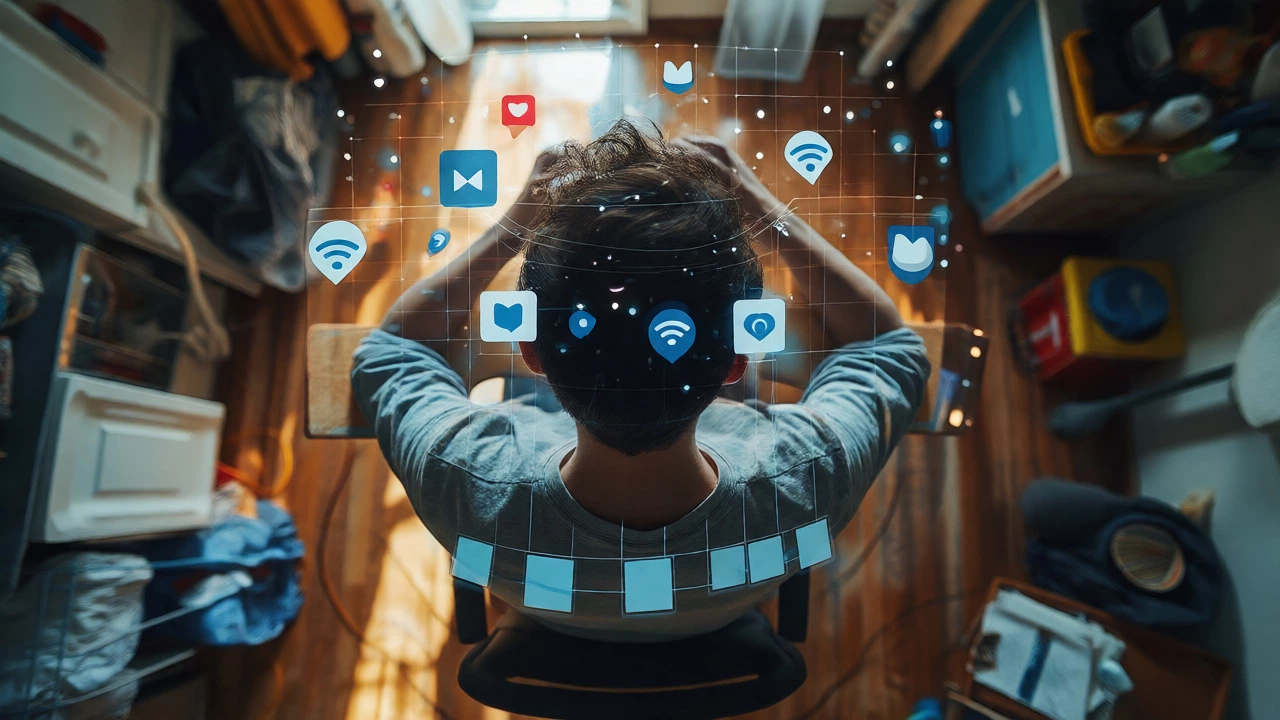
Mitigating the Isolation Factor
If you are committed to online learning, you don’t have to accept isolation as inevitable. You can engineer solutions to counteract the downsides. The key is to simulate the social aspects of a classroom intentionally.
- Create Study Groups: Don’t wait for the course provider to assign them. Find peers in your Discord server or Facebook group and set up weekly video calls to discuss assignments. Even 30 minutes of live debate can boost retention.
- Utilize Office Hours Aggressively: Treat virtual office hours like mandatory appointments. Prepare specific questions in advance. Seeing the instructor’s face and hearing their voice humanizes the experience and provides the feedback loop you’re missing.
- Designate a Physical Study Space: Separate your learning area from your relaxation area. This helps signal to your brain that you are in "class," reducing the mental clutter that contributes to fatigue.
- Engage in Local Meetups: Many universities and online platforms host local meetups for remote students. Attending one per semester can break the monotony and provide a real-world network.
The Long-Term Impact on Soft Skills
Employers increasingly value soft skills: communication, teamwork, and adaptability. Traditional classrooms inadvertently teach these through group projects and face-to-face presentations. Online classes require you to explicitly practice these skills. If you don’t, you graduate with technical knowledge but potentially weaker interpersonal confidence. This gap can affect job interviews and early career performance. Recognizing this downside allows you to proactively seek opportunities to practice collaboration, ensuring you don’t emerge from your degree socially stunted.
Ultimately, the downside of online classes isn’t that they are inferior, but that they are incomplete without deliberate effort. The convenience comes at the cost of community. By acknowledging this trade-off, you can decide whether the flexibility is worth the loneliness, or if you need to supplement your online studies with offline connections to get the full educational picture.
Why do students feel isolated in online classes?
Students feel isolated because online learning removes spontaneous social interactions, such as chatting before class or working together on group tasks in real-time. The reliance on asynchronous communication tools like email and discussion boards delays feedback and reduces the sense of community, making the learner feel disconnected from peers and instructors.
Does online learning affect motivation levels?
Yes, online learning often negatively affects motivation due to the lack of external accountability. Without a fixed schedule or physical presence, students must rely entirely on self-discipline. Procrastination becomes easier, leading to last-minute cramming and increased stress, which can create a negative cycle that further diminishes motivation.
How does screen time impact learning effectiveness?
Excessive screen time leads to "Zoom fatigue" and cognitive overload. Processing digital information requires more mental energy than face-to-face interaction because of poor audio/video quality and the lack of non-verbal cues. This exhaustion reduces the brain's capacity to absorb new information, lowering overall learning effectiveness.
Can online students still build professional networks?
Building professional networks is harder online but possible. Students must actively participate in virtual study groups, attend live webinars, and use platforms like LinkedIn to connect with classmates and instructors. Passive participation rarely leads to meaningful connections, so intentional effort is required to overcome the barriers of digital distance.
Are online classes suitable for all types of learners?
No, online classes are not ideal for everyone. Extroverted learners, kinesthetic learners, and those who thrive on social reinforcement often struggle with the isolation. Conversely, introverted learners or those with strong self-management skills may excel. Success depends largely on individual personality traits and learning preferences.