




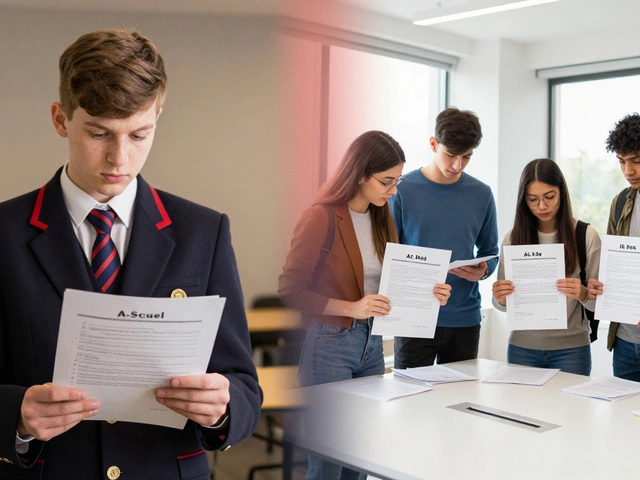

Private Tutoring Cost Estimator
Estimate Your Investment
Note: Consider booking a package deal or small group sessions to potentially reduce these costs by 10-20%.
Imagine a classroom where the teacher’s sole focus is you. No distractions, no rushing through material just to keep pace with thirty other students, and no fear of asking that “silly” question because everyone else already knows the answer. This isn’t a fantasy; it is the core reality of private tutoring. It is an educational service that provides individualized instruction to meet specific learning needs.
In recent years, the landscape of education has shifted dramatically. While traditional schooling remains the backbone of our system, many parents and students are turning to supplementary support to bridge gaps, accelerate progress, or manage stress. But what exactly constitutes private tutoring, and how does it differ from the help you might get from a classmate or a generic homework app?
The Definition: More Than Just Homework Help
Private tutoring is a form of personalized education where a tutor works directly with a student, either individually or in very small groups, to enhance understanding and achieve academic goals. Unlike a school teacher who must adhere to a rigid curriculum for an entire class, a tutor tailors their approach to the learner's unique style, pace, and objectives.
This distinction is crucial. If your child is struggling with algebra, a school teacher explains the concept once, perhaps twice if the class average is low. A tutor assesses exactly where the breakdown occurred-was it fractions? Logic? Confidence?-and rebuilds that foundation from the ground up. It is targeted intervention rather than broad coverage.
Furthermore, private tutoring extends beyond academics. It encompasses skill-based training, such as music lessons, language acquisition, test preparation (like SATs or GCSEs), and even professional development coaching. The common thread is the one-to-one dynamic that allows for immediate feedback and customized pacing.
How Does It Work? Models and Methods
You might picture a tutor sitting at a kitchen table with flashcards, but the modern industry is far more diverse. Understanding the different models helps you choose the right fit for your situation.
- In-Home Tutoring: The classic model. A tutor travels to your residence. This eliminates commute time for the student and allows the tutor to observe the home environment, which can sometimes reveal distractions or comfort issues affecting focus. It is often the most expensive option due to travel costs.
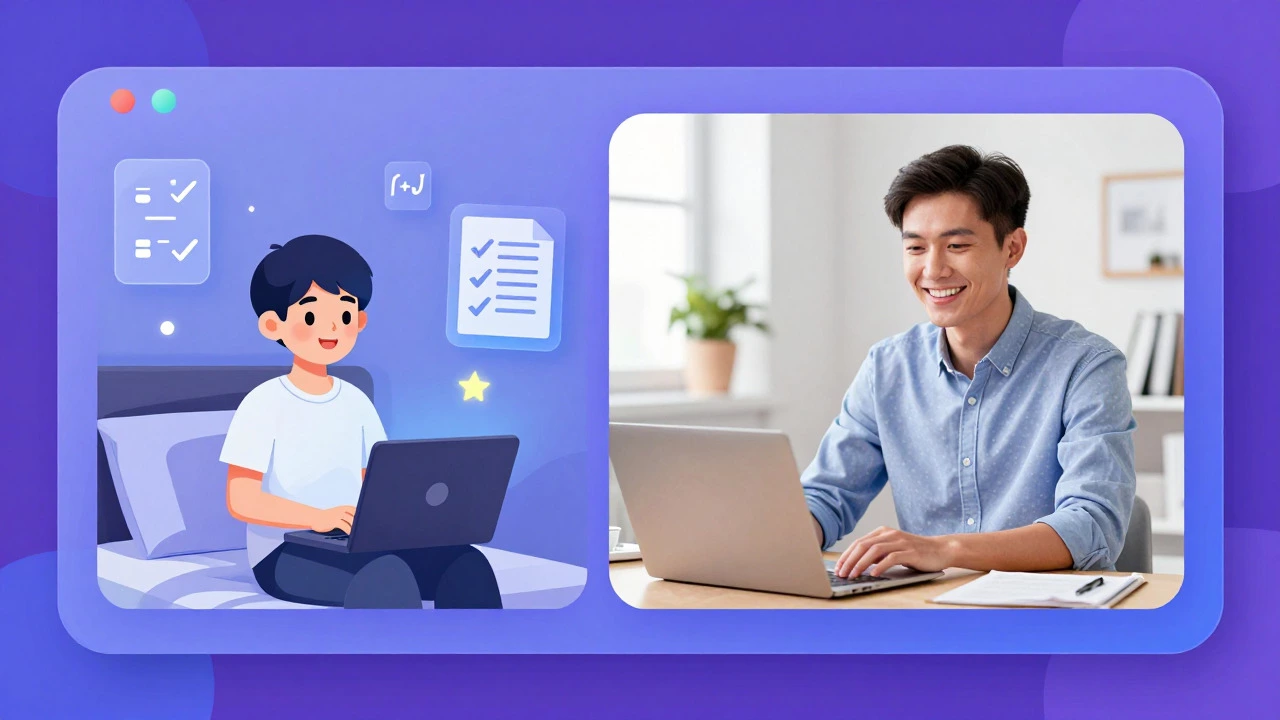
- Online Tutoring: Since the pandemic, this has exploded in popularity. Platforms connect students with tutors globally via video calls. Tools like shared digital whiteboards, screen sharing, and instant messaging make remote interaction highly effective. It offers flexibility and access to specialists regardless of geographic location.
- Center-Based Tutoring: These are physical locations, often franchises, where students go to receive help. They provide a structured environment separate from home distractions and school pressure. However, they may lack the personalization of true one-on-one sessions if group sizes creep up.
- Peer Tutoring: Sometimes, older students or classmates provide informal tutoring. While cost-effective, it lacks the pedagogical expertise of a trained professional, though it can be excellent for quick clarification of concepts.
The method of delivery matters less than the quality of the relationship between tutor and tutee. Research consistently shows that the effectiveness of tutoring hinges on the tutor’s ability to diagnose learning barriers and adapt strategies accordingly, not just on whether the session happens online or offline.
Who Needs a Tutor? Identifying the Right Candidate
A common misconception is that tutoring is only for “struggling” students. In reality, high achievers benefit immensely as well. Let’s break down the typical profiles of those who seek private support.
| Student Profile | Primary Goal | Typical Subject Focus |
|---|---|---|
| The Struggling Learner | Catch up on missed concepts, improve grades, build confidence | Mathematics, Reading/Literacy, Core Sciences |
| The High Achiever | Accelerate learning, challenge themselves, prepare for competitions | Advanced Placement (AP) courses, Olympiad subjects, Creative Writing |
| The Test-Taker | Master exam strategies, reduce anxiety, maximize scores | SAT/ACT, GCSE/A-Level, Entrance Exams |
| The Special Needs Student | Receive accommodations, specialized instructional methods | Dyslexia support, ADHD coaching, Autism spectrum learning aids |
| The Language Learner | Improve fluency, pronunciation, cultural nuance | English as a Second Language (ESL), French, Spanish, Mandarin |
Consider Sarah, a bright student who gets B’s in history but dreams of an A*. She understands the content but struggles with essay structure and time management during exams. A tutor doesn’t re-teach her the facts; instead, they drill her on argument construction and timed writing. Conversely, James, who has dyslexia, might need a tutor trained in Orton-Gillingham techniques to decode text effectively. Both scenarios require specialized attention that a general classroom cannot provide.
The Benefits: Why Invest in Personalized Learning?
When you look at the data, the advantages of one-on-one instruction are compelling. According to meta-analyses by organizations like the Education Endowment Foundation (EEF), tutoring can add significant months of progress to a student’s learning trajectory compared to peers receiving standard teaching alone.
Here are the key benefits that drive this success:
- Customized Pacing: If you grasp a concept quickly, you move on. If you’re stuck, you stay until it clicks. There is no “waiting for the rest of the class.”
- Immediate Feedback: Mistakes are corrected instantly, preventing the reinforcement of bad habits. This rapid feedback loop accelerates mastery.
- Increased Confidence: Many students underperform due to anxiety or shame. A supportive tutor creates a safe space to fail and learn, rebuilding self-esteem.
- Gaps in Knowledge Identified: Tutors often discover foundational holes that current teachers miss. Fixing these gaps prevents future stumbling blocks.
- Motivation and Accountability: Regular scheduled sessions create a routine. Knowing someone expects them to have done their prep work pushes students to stay on track.
Beyond grades, tutoring fosters critical thinking and problem-solving skills. When a tutor asks, “Why do you think that?” instead of giving the answer, they teach the student how to learn-a skill that lasts a lifetime.
Choosing the Right Tutor: What to Look For
Not all tutors are created equal. With the rise of online platforms, anyone can claim to be a tutor. So, how do you vet potential candidates? Here is a checklist for parents and students.
- Qualifications and Experience: Do they have relevant degrees? Teaching certifications? Experience with your specific age group or subject matter? For example, a PhD physicist might be great for advanced mechanics but terrible at explaining basic arithmetic to a ten-year-old.
- Teaching Philosophy: Ask how they handle a student who is frustrated or disengaged. Look for answers that emphasize patience, adaptation, and encouragement over rote memorization.
- Compatibility: The personality match is vital. If the student dislikes the tutor, progress will stall. Always offer a trial session to gauge chemistry.
- Communication Style: Can they explain complex ideas simply? Watch their first lesson. Are they doing all the talking, or are they guiding the student to find answers?
- References and Reviews: Check testimonials from previous clients. Specific details about improvement (e.g., “raised my grade from C to A”) are more valuable than vague praise.
Be wary of tutors who promise guaranteed grade increases without assessing the student first. Education is nuanced, and realistic expectations are part of professionalism.

Costs and Accessibility: Is It Worth It?
Let’s address the elephant in the room: price. Private tutoring can be expensive. Rates vary wildly based on location, subject, and tutor expertise. In major cities like Dublin or London, hourly rates can range from €30 to over €80 per hour. Online tutors may charge slightly less due to lower overheads.
However, consider the long-term ROI. A few months of tutoring that raises a student’s grade point average could impact university admissions, scholarship opportunities, and career prospects. Additionally, some schools and local governments offer subsidized tutoring programs or vouchers for low-income families, making it more accessible than you might think.
To mitigate costs, consider:
- Small Group Tutoring: Sharing a tutor with one or two other students reduces the hourly rate while still maintaining a personalized feel.
- University Students: Recent graduates often tutor at lower rates to gain experience. They are usually fresh on the material and relatable to younger students.
- Package Deals: Committing to a block of hours upfront often secures a discount.
Challenges and Pitfalls to Avoid
Tutoring isn’t a magic bullet. It requires active participation from the student. If the child views it as a punishment or a place to slack off, it won’t work. Parents must frame tutoring as a supportive tool, not a remedial penalty.
Another pitfall is dependency. The goal of tutoring should be independence. A good tutor gradually withdraws support as the student gains confidence, ensuring they don’t become reliant on external help for every task. Regular check-ins between parent, student, and tutor are essential to monitor progress and adjust goals.
Also, beware of burnout. Adding tutoring on top of a full school day and extracurricular activities can overwhelm a child. Quality trumps quantity; one focused hour a week is often more effective than three rushed ones.
The Future of Tutoring: Technology and Trends
As we move further into 2026, technology is reshaping the industry. AI-driven platforms now offer adaptive learning paths that mimic some aspects of human tutoring, providing instant practice problems and explanations. However, AI lacks empathy and the ability to read subtle emotional cues. The hybrid model-combining AI tools for practice with human tutors for strategy and motivation-is emerging as the gold standard.
Virtual Reality (VR) is also beginning to enter the space, allowing immersive history lessons or chemistry labs. While still niche, these technologies promise to make abstract concepts tangible, enhancing the tutor’s toolkit.
Ultimately, private tutoring remains a deeply human endeavor. It is about connection, understanding, and unlocking potential. Whether your goal is to pass a crucial exam, master a new language, or simply regain confidence in your abilities, the right tutor can be the catalyst for transformative growth.
How much does private tutoring typically cost?
Costs vary significantly by location and subject. In urban areas, rates generally range from $30 to $80+ per hour. Online tutoring may be slightly cheaper. Factors influencing price include the tutor's qualifications, experience, and whether they travel to you. Small group sessions can reduce individual costs.
Is online tutoring as effective as in-person tutoring?
Yes, studies show online tutoring can be equally effective, provided there is reliable internet and both parties are engaged. It offers greater flexibility and access to specialized tutors worldwide. However, some younger students or those with attention difficulties may prefer the physical presence of an in-person tutor.
How do I know if my child needs a tutor?
Signs include consistent declining grades, loss of interest in school, excessive stress related to homework, or difficulty grasping concepts despite effort. Conversely, if your child is bored in class and seeking more challenge, a tutor can provide enrichment. Consult with teachers first to identify specific gaps.
What qualifications should a private tutor have?
Look for relevant degrees in the subject area, teaching certifications, or proven experience. For younger children, early childhood education backgrounds are beneficial. For test prep, certified instructors with high success rates are ideal. Always check references and conduct a trial session.
Can tutoring help with special needs?
Absolutely. Specialized tutors trained in methods like Orton-Gillingham for dyslexia or strategies for ADHD can provide tailored support that mainstream classrooms often struggle to offer. Ensure the tutor has specific experience working with your child’s particular learning difference.
How often should tutoring sessions occur?
Frequency depends on the goal. For exam prep, weekly or bi-weekly sessions are common. For catching up on significant gaps, twice a week might be necessary initially. Consistency is key; regular short sessions are better than sporadic long ones. Avoid over-scheduling to prevent burnout.