





Teen Tutor Earnings & Compliance Calculator
Tutoring Details
Estimation Results
Most people picture a tutor as a university graduate or a retired teacher with decades of experience. But what if you are sitting in your own classroom right now, acing math while your classmates struggle? The idea of trading that knowledge for cash is tempting. It builds confidence, looks great on college applications, and pays better than mowing lawns. But can a 14 year old actually become a tutor?
The short answer is yes. There is no federal law in the United States that bans teenagers from tutoring. However, the path isn't as simple as putting up a flyer. You have to navigate child labor laws, parental consent forms, school policies, and platform age restrictions. If you skip these steps, you risk getting banned from apps or facing legal trouble for your parents.
Understanding Child Labor Laws and Work Permits
Before you set a price per hour, you need to understand the legal framework. In the US, the Fair Labor Standards Act (FLSA) sets the baseline for youth employment. For non-agricultural work, the minimum age is generally 14. This means you are legally allowed to work, but with strict limitations.
If you are under 16, you cannot work during school hours unless it's a specific job like delivering newspapers or acting. More importantly, there are limits on how many hours you can work per day and per week when school is in session. Usually, this caps out at three hours on a school day and eighteen hours in a school week. During summer break, these limits relax significantly, allowing up to eight hours a day and forty hours a week.
In some states, you also need a work permit. This is a document signed by your parent, your school principal, and sometimes a state official. It proves you are eligible to work without falling behind in grades. Check your state’s Department of Labor website. California, New York, and Illinois, for example, have stricter permit requirements than other states. Without this paper, any formal arrangement could be considered illegal employment.
| Time Period | School Session | Summer Break |
|---|---|---|
| Hours per Day | 3 hours max | 8 hours max |
| Hours per Week | 18 hours max | 40 hours max |
| Allowed Hours | 7 AM - 7 PM (9 PM in June/July) | 6 AM - 10 PM |
Choosing Your Niche: What Can You Teach?
You don't need a degree to teach basic skills. In fact, being close in age to your students can be an advantage. Younger kids often relate better to a teen who speaks their language and understands current pop culture references. So, what should you focus on?
Elementary Homework Help is the most accessible entry point for teenage tutors. Parents of children aged 6 to 10 often struggle with helping their kids with reading comprehension, basic arithmetic, or science projects. They don't need a PhD; they need patience and clear explanations.
Another strong option is test preparation for standardized tests like the SAT or ACT. If you scored high on practice exams, you can help juniors brush up on vocabulary or time management strategies. Just remember: you cannot claim to be a certified instructor unless you have official credentials from organizations like the College Board.
Language exchange is another avenue. If you are bilingual, you can offer conversation practice. A Spanish speaker might want to improve their English fluency, or vice versa. This is less about grammar rules and more about building confidence through chat.
- Reading Buddy: Help elementary students decode words and understand stories.
- Math Support: Assist with fractions, decimals, and pre-algebra concepts.
- Study Skills Coach: Teach older students how to organize notes and manage time.
- Creative Arts: If you play guitar, draw, or code, you can teach beginners basics.
Where to Find Students: Platforms vs. Local Networking
This is where many teens hit a wall. Most major tutoring platforms like Wyzant, Chegg Tutors, or Varsity Tutors require tutors to be at least 18 years old. They need you to sign contracts, undergo background checks, and handle taxes independently. You won't get approved.
That doesn't mean you can't find clients. It just means you have to go local and offline, or use family networks.
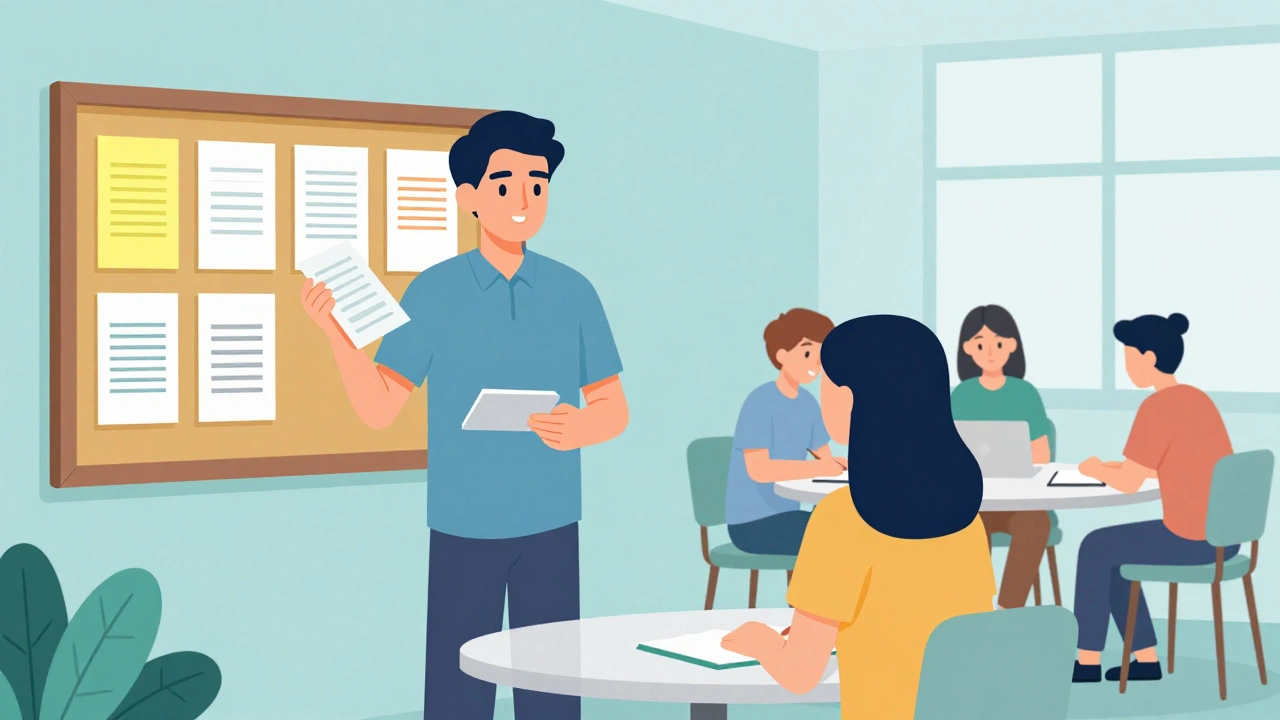
Community Bulletin Boards are your best friend. Libraries, community centers, and coffee shops often have physical boards where parents post requests for help. A clean, professional flyer with your photo, subjects, rates, and a parent's contact number works wonders.
Word of mouth is powerful. Tell your teachers, coaches, and neighbors that you are available. If you help one kid succeed, their parents will tell their friends. You can also ask your parents to post on neighborhood apps like Nextdoor or Facebook Community Groups. Be transparent: "My son/daughter is a straight-A student looking to tutor middle schoolers."
Avoid posting on general freelance sites like Upwork or Fiverr. While the age limit is technically 18, enforcement varies, and payment processing requires a bank account and tax ID, which complicates things for minors. Stick to cash, Venmo (if linked to a parent), or Zelle via a guardian.
Setting Rates and Handling Payments
How much should you charge? Don't undervalue yourself, but don't scare parents away either. Adult tutors on national platforms charge $25 to $60 per hour. As a teen, you are competing on convenience and relatability, not decades of experience.
A reasonable starting rate is $15 to $25 per hour for elementary subjects. For high school level math or science, you can push toward $25 to $35. If you are offering specialized help, like coding or music lessons, you can charge more based on your skill level.
Since you likely don't have a business bank account, payments must go through a parent or guardian. Make sure you discuss this upfront. Use a digital payment app linked to your parent's account, or accept cash. Always provide a simple receipt. It shows professionalism and helps your parents track income for tax purposes.
Note: Income earned by minors is taxable. If you earn over $400 in self-employment income, you may need to file a tax return. Your parents should consult a tax professional to ensure compliance.
Safety First: Protecting Yourself and Your Students
Tutoring involves meeting with strangers, even if they are just parents and kids. Safety is non-negotiable. Never meet a potential client alone in a private home for the first session. Instead, choose a public place like a library study room, a cafe, or your own home with parents present.
Always have a parent or guardian aware of your whereabouts. Share your location via phone if you are traveling to a client's house. Trust your instincts. If a situation feels off, end the session immediately and tell your parents.
Create a simple agreement with the parents. Outline the schedule, cancellation policy, and expectations. For example: "Sessions are 60 minutes. Cancellations must be made 24 hours in advance or full payment is due." This prevents awkward conversations later.

Building Your Resume and College Profile
Beyond the money, tutoring is a fantastic way to boost your college application. Admissions officers look for leadership, community service, and initiative. Starting a small tutoring business demonstrates all three.
Track your hours and results. Did your student's grade improve from a C to a B+? Document it. Write a brief reflection on what you learned about teaching and communication. These insights can fuel compelling personal essays.
Consider partnering with a local charity. Offer free tutoring to underprivileged students once a month. This combines paid work with volunteer experience, making your profile even stronger.
Mini-FAQ: Common Questions for Teen Tutors
Do I need a license to tutor as a 14-year-old?
No, you do not need a teaching license to offer private tutoring services. Teaching licenses are required for working in public schools. Private tutoring is considered a service, not formal education, so no state certification is needed for individuals.
Can I tutor online if I am under 18?
Technically yes, but practically difficult. Most reputable online tutoring platforms require users to be 18+. You could tutor family friends' children via Zoom with parental supervision, but you cannot sign up for independent accounts on major sites like Wyzant or Preply.
How do I handle taxes on my tutoring income?
Your income is yours, but your parents may need to report it. If you earn more than $400 from self-employment, you must file a Schedule C form with your tax return. Consult a CPA or use tax software designed for families to ensure correct reporting.
What subjects are best for a teenager to teach?
Focus on subjects you excelled in recently. Elementary math, reading comprehension, and middle school science are ideal. Avoid advanced topics like Calculus or Organic Chemistry unless you have proven expertise and can explain complex concepts simply.
Is it safe to tutor in someone else's home?
It can be, but take precautions. Always inform your parents of the address and time. Meet in a common area like the living room, not a bedroom. For the first few sessions, consider having a parent stay nearby or choose a public library instead.