






Personal Training Certification Finder
Answer these questions to find the certification that best fits your lifestyle and career goals.
Recommended Path:
Key Details
Study Tip
Note: All major certifications require current CPR/AED certification and a high school diploma. Check local requirements in Dublin/Ireland for specific employer preferences.
You want to start coaching clients, but the idea of a six-month anatomy marathon with endless practical assessments makes you hesitate. You’re not alone. Many aspiring trainers look for the fastest route into the industry without sacrificing credibility. The truth? There is no single "easiest" certification that works for everyone. It depends on your learning style, budget, and how much time you can spare before earning your first paycheck.
Some courses are short because they lack depth. Others are short because they focus strictly on exam prep rather than hands-on skill development. In Dublin, where the fitness market is competitive but growing, employers care less about which logo is on your shirt and more about whether you can actually program a safe workout. This guide breaks down the certifications that offer the best balance of speed, ease, and employability in 2026.
What Makes a Certification "Easy"?
When people ask for the easiest path, they usually mean one of three things: low cost, short duration, or high pass rates. Let’s separate these myths from reality.
A "short" course might take two weeks to complete, but if it’s entirely self-study with no mentor support, you might spend months staring at a textbook, confused about biomechanics. A "cheap" course might save you €300 upfront but cost you thousands later when you fail the national registry exam because the curriculum was too thin. And "high pass rates" often reflect rigorous pre-exam filtering, not an easier test.
The sweet spot for most beginners is a certification that offers structured online learning, clear study guides, and a manageable exam format. You need something that gets you certified quickly enough to start working, but robustly enough to keep you insured and employed.
The Top Contenders for Speed and Simplicity
Based on current industry standards and user feedback, three major organizations stand out for their accessibility and streamlined processes. Note that while these are US-based, their certifications are globally recognized and accepted by most gyms in Ireland and Europe.
| Certification | Study Time | Exam Format | Best For |
|---|---|---|---|
| NASM CPT | 10-14 Weeks | Multiple Choice (Online) | Science-based approach, gym employment |
| ACE Personal Trainer | 8-12 Weeks | Multiple Choice (Online) | Behavior change, general population |
| ISSA Certified Personal Trainer | 10-16 Weeks | Open Book (Online) | Self-paced learners, business skills |
NASM: The Industry Standard with Structure
The National Academy of Sports Medicine (NASM) offers one of the most popular certifications in the world. Why is it considered relatively easy? Because it’s highly structured. Their OPT model (Optimum Performance Training) gives you a clear roadmap. You aren’t guessing what to study; you follow a linear progression from stabilization to strength to power.
The exam is multiple-choice and can be taken online. There are no practical assessments required to get certified, which removes the stress of flying to a testing center or performing live demonstrations. However, don’t mistake structure for simplicity. The science behind the OPT model requires genuine understanding. If you skip the videos and just memorize flashcards, you’ll struggle.
ACE: Best for Behavioral Coaching
If you prefer interacting with people over analyzing muscle origins, the American Council on Exercise (ACE) certification might feel easier. ACE focuses heavily on behavioral psychology and client motivation. The material is less dense in terms of pure physiology and more focused on communication and program adherence.
Many students find the ACE Integrated Fitness Training Model intuitive because it mirrors real-world conversations with clients. The exam is also fully online. ACE is particularly strong if you plan to work with older adults or those starting their fitness journey, as it emphasizes safety and gradual progression over elite performance metrics.
ISSA: The Flexible Option
The International Sports Sciences Association (ISSA) stands out for its open-book exam policy. Yes, you read that right. During the final assessment, you can reference your textbooks and notes. This significantly reduces anxiety for many learners who are good at finding information but bad at rote memorization.
ISSA courses are self-paced. Some motivated students finish in four weeks, while others take six months. The curriculum includes substantial business and marketing modules, which is a huge plus if you plan to freelance. The downside? The volume of reading material is massive. It’s not "easy" because there’s little content; it’s "easy" because the barrier to passing is lower due to the open-book format.
Hidden Costs and Prerequisites You Can’t Ignore
Before you sign up, check the fine print. Most reputable certifications require two non-negotiable prerequisites:
- CPR/AED Certification: You must hold a current CPR and Automated External Defibrillator certificate. This usually costs €50-€80 and takes half a day. Do this locally in Dublin so you have a physical card ready.
- High School Diploma: Almost all accredited bodies require proof of secondary education. Have your transcript or diploma scanned and ready.
Budget-wise, the "easy" certs range from €400 to €700. But remember, this price often excludes the CPR course and potential retake fees. Also, consider ongoing costs. Most certifications require continuing education units (CEUs) every two years to maintain validity. Factor in €100-€200 every two years for renewal courses.
Is Online Enough for Practical Skills?
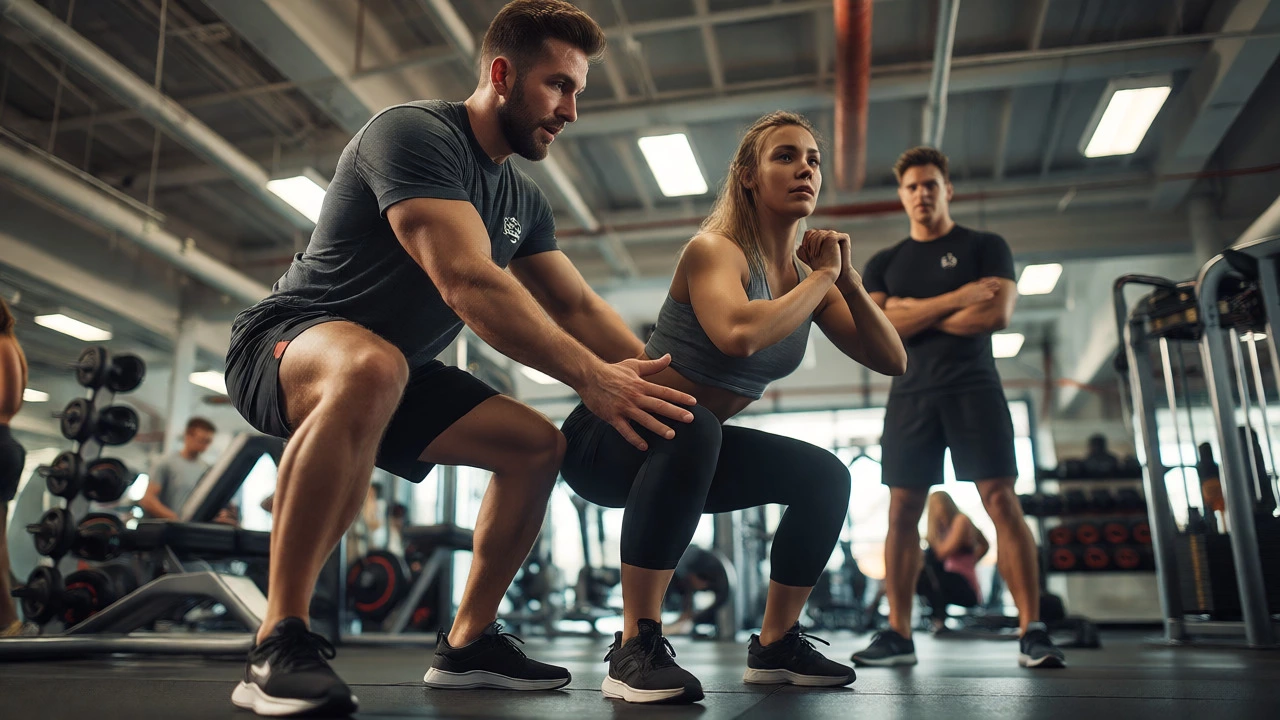
This is the biggest pitfall for new trainers. An online certification proves you passed a test. It doesn’t prove you can watch a squat and spot a knee valgus. Employers in Ireland, especially boutique studios and high-end gyms like PureGym or David Lloyd, often conduct practical interviews.
If you choose a purely online path, supplement it with free resources. Watch YouTube channels like Squat University or Renaissance Periodization. Practice cueing on friends or family members. Record yourself giving instructions and watch the playback. Did you speak clearly? Did you demonstrate proper form? These soft skills matter more than your certification acronym once you’re in front of a client.
Some providers now offer hybrid options. For example, certain local colleges in Ireland partner with international bodies to provide in-person workshops. If you can afford the extra time and money, attending a weekend practical workshop will make you infinitely more confident than someone who only studied on a laptop.
Which One Should You Pick?
Let’s simplify the decision tree:
- Do you hate exams? Go with ISSA. The open-book format is a lifesaver.
- Do you want to work in a commercial gym immediately? Choose NASM. It’s widely recognized and respected by gym managers.
- Are you interested in helping sedentary people start moving? Pick ACE. Its behavior-change focus is superior for general populations.
- Do you have zero background in biology? Start with ACE or ISSA. NASM’s scientific density might overwhelm you initially.
There is no shame in choosing the path that fits your life. The goal is to get started, not to perfect your credentials before touching a dumbbell. Once you’re working, you can always pursue advanced specializations later.
Frequently Asked Questions
Can I get a personal training job without a certification?
Technically yes, but it’s risky. Most gyms require insurance, and insurers rarely cover uncertified trainers. Additionally, liability issues arise if a client gets injured under your supervision. Certification provides legal protection and professional credibility.
How long does it really take to get certified?
For fast-track programs like NASM or ACE, expect 8-12 weeks of consistent study (10-15 hours per week). Self-paced options like ISSA vary wildly; some finish in 4 weeks, others take 6 months. Rushing through in under 4 weeks often leads to poor knowledge retention.
Are US certifications valid in Ireland?
Yes, NASM, ACE, and ISSA are internationally recognized. While Ireland has its own qualifications (like QQI Level 5), private gyms and corporate wellness companies widely accept major US certifications. Always check with specific employers, but generally, NCCA-accredited certs are accepted globally.
What is the hardest part of getting certified?
Consistency. Most failures happen because students cram at the last minute. Anatomy and physiology require spaced repetition. Setting aside small daily blocks of study time is far more effective than weekend marathons.
Do I need a degree to become a personal trainer?
No. A bachelor’s degree in sports science is helpful but not mandatory. A high school diploma and a recognized certification are sufficient for entry-level roles. Experience and client results eventually outweigh formal education.
Next Steps: Launch Your Career
You’ve identified the easiest paths, but action beats analysis. Here’s your checklist for this week:
- Register for a local CPR/AED course in Dublin.
- Download sample chapters from NASM, ACE, and ISSA websites to gauge readability.
- Set a realistic weekly study schedule based on your work commitments.
- Create a simple LinkedIn profile highlighting your upcoming certification.
Remember, the "easiest" certification is the one you actually finish. Don’t let perfectionism stall your progress. Pick the option that aligns with your learning style, commit to the process, and step onto the gym floor with confidence.