






First Tutoring Lesson Success Planner
Check off these items before your first session to ensure professionalism and connection.
Choose an icebreaker topic based on likely interests or general safety:
Use the "Quick Check" method to identify gaps without triggering test anxiety.
Select 3 problems from their materials. Note the error type if they struggle:
Session Readiness Score
Suggested Next Steps
You’ve got the client. You’ve agreed on a rate. Now comes the part that keeps new tutors up at night: the first tutoring lesson. Is it going to be awkward? Will the student hate you? Do you need to teach them everything in hour one? Spoiler alert: No. The goal of session one isn’t to fix their grades overnight. It’s to build trust and figure out what they actually need.
Think of this initial meeting less like a classroom lecture and more like a diagnostic check-up. If you walk in with a rigid plan to cover Chapter 1 of Algebra, but the student is struggling with basic fractions from two years ago, you’re both frustrated. This guide breaks down exactly how to handle that first hour so you look professional, feel confident, and set yourself up for long-term success.
The Pre-Lesson Prep Work
Most mistakes happen before you even open your laptop or sit down at the kitchen table. Preparation here means gathering intel, not just printing worksheets. You need to know who you are dealing with.
- Contact the parents (or adult learner): Send a quick email 24 hours before. Confirm the time, location, or link. Ask if there are specific pain points. Are they failing exams? Bored? Anxious? This shows professionalism and gives you a head start.
- Request materials: Ask for recent homework assignments, test papers, or syllabus outlines. Seeing where they lost marks tells you more than any self-assessment will.
- Prepare a flexible toolkit: Don’t bring one worksheet. Bring three options. One easy win to boost confidence, one diagnostic task to find gaps, and one fun/engaging activity to break the ice. If the vibe is tense, you can pivot to the fun task. If they are eager, dive into the diagnostics.
If you are teaching online, test your tech stack early. Screen sharing glitches during the first five minutes kill momentum. Have a backup plan, like switching to phone audio if video fails. Nothing screams "unprepared" louder than a tutor fumbling with Zoom settings while a parent watches.
Building Rapport Before Teaching Content
Students, especially teenagers, don’t care how much you know until they know how much you care. If you jump straight into quadratic equations, you’re just another authority figure. Spend the first 10-15 minutes connecting.
Ask about their interests outside school. Do they play football? Like Minecraft? Hate waking up early? Use these hooks. If a student loves gaming, explain that coding logic is similar to game mechanics. If they love sports, use stats from their favorite team to teach percentages. This isn’t fluff; it’s psychological anchoring. You are associating your presence with something positive rather than stress.
| Question Type | Purpose | Example |
|---|---|---|
| Personal Interest | Builds connection and lowers anxiety | "What’s the best book or show you watched recently?" |
| School Experience | Identifies emotional barriers | "Which subject do you dread most, and why?" |
| Learning Style | Tailors your future approach | "Do you prefer watching videos, reading, or doing practice problems?" |
The Diagnostic Assessment: Finding the Gaps
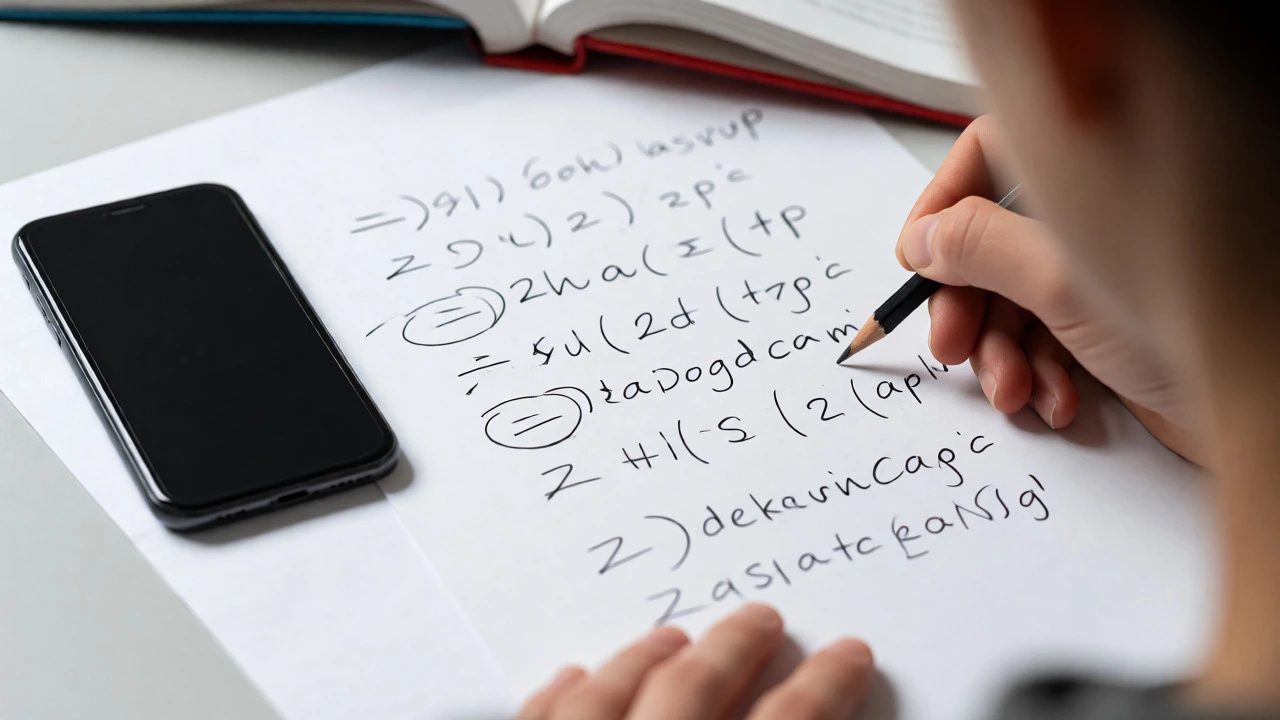
Once the ice is broken, you need data. You cannot teach effectively without knowing the baseline. But avoid calling it a "test." That word triggers panic. Call it a "quick check" or "warm-up."
Use the materials they sent earlier. Pick three problems: one they should get right easily, one that is slightly challenging, and one that reveals a fundamental misunderstanding. Watch their process, not just the answer. Did they rush? Did they freeze? Did they try to guess?
For example, if a student gets an algebra problem wrong because they forgot to distribute the negative sign, that’s a procedural error. Easy fix. If they don’t understand what the variable represents, that’s a conceptual gap. Harder fix. Identifying this distinction in the first hour saves you months of frustration later.
Setting Expectations and Boundaries
This is the part most new tutors skip, and it causes headaches down the line. You need to establish the "rules of engagement" clearly but kindly.
- Cancellation Policy: State it now. "If you need to cancel, please let me know 24 hours in advance." Ambiguity leads to unpaid hours.
- Homework Philosophy: Explain that tutoring is not magic. Progress requires work between sessions. Agree on a small amount of homework-maybe 15 minutes-not enough to overwhelm, but enough to keep skills sharp.
- Communication Channels: Can parents text you? Email only? Set boundaries to protect your personal time.
Frame this as helping them succeed. "I want us to make the most of our time together, so having a consistent schedule helps us stay on track." Parents usually appreciate structure. It shows you treat this as a business, not a hobby.

Creating a Roadmap for Future Sessions
Don’t leave the first lesson without a plan. Students and parents feel reassured when they see a path forward. Summarize what you learned today. "I noticed you struggle with X, but you have strong skills in Y. Here is how we will tackle X over the next month."
Outline the next 3-4 lessons broadly. You don’t need minute-by-minute detail, but general themes help. For instance: "Next week we will focus on simplifying expressions. The week after, we’ll apply that to solving linear equations." This manages expectations and prevents scope creep where every topic seems urgent.
End the session on a high note. Ensure the student leaves feeling capable, not defeated. Even if you found major gaps, highlight what they did well. Confidence is fuel. Without it, motivation dries up fast.
Post-Lesson Reflection
Your job isn’t done when the student leaves. Take five minutes to reflect. What worked? What didn’t? Did you talk too much? Did they seem bored? Adjust your prep for next time.
Send a brief follow-up message to the parent. "Great meeting [Student Name] today. We covered [Topic]. I’ve sent over some optional practice questions. Looking forward to next Tuesday." This reinforces your professionalism and keeps the communication loop open.
Starting your first tutoring lesson is about balancing empathy with efficiency. You are a guide, not a savior. By preparing thoroughly, connecting personally, diagnosing accurately, and setting clear boundaries, you turn a potentially awkward introduction into a productive partnership. Remember, consistency beats intensity. A steady, structured approach wins students over far better than trying to cram a semester’s worth of knowledge into sixty minutes.
How long should the first tutoring lesson last?
Typically, 60 minutes is standard for most subjects. However, for very young children or students with attention difficulties, 30-45 minutes might be more effective initially to prevent burnout. Always confirm duration with the parent beforehand.
Should I charge for the first lesson?
Yes, generally you should. The first lesson involves significant preparation and professional expertise. Some tutors offer a free 15-minute consultation call beforehand, but the actual instructional time is billable. Offering a discount for the first session is a common compromise if you want to lower the barrier to entry.
What if the student hates the subject?
Acknowledge it openly. Say, "I know this subject can be frustrating." Then, find a non-academic angle to connect with. If they hate math, maybe they like music. Show how rhythms relate to fractions. Building rapport often matters more than immediate academic progress in overcoming aversion.
Do I need a formal contract for private tutoring?
While not always legally required for casual arrangements, a simple agreement protects both parties. It should outline rates, cancellation policies, payment terms, and liability. For ongoing engagements, especially with minors, clarity prevents misunderstandings about money and scheduling.
How do I handle a shy student in the first lesson?
Reduce pressure by avoiding direct questioning initially. Use collaborative activities like working through a problem side-by-side on paper or screen. Let them correct you intentionally making a mistake. This shifts the dynamic from interrogation to teamwork, which often helps shy students relax.