




Quick Summary of Degree Validity
- Accreditation is everything: A degree is valid if the institution is accredited by a recognized body.
- Employer perception: Most modern US employers treat online and on-campus degrees as equals.
- Regional vs. National: Regional accreditation is generally the gold standard for transferability and validity.
- Licensure: Some professional fields (like Nursing or Law) have stricter rules about distance learning.
The Golden Rule: Regional Accreditation
Before you look at rankings or tuition costs, you have to look at accreditation. In the United States, Regional Accreditation is the most prestigious form of academic validation, granted by agencies that evaluate schools based on their location and quality of instruction. If a school has this, your distance education degree validity is almost guaranteed.
Why does this matter? Because regional accreditation is what allows credits to move from one school to another. If you get a degree from a regionally accredited online program and later decide you want a Master's from a brick-and-mortar university, they will likely accept your credits. If you go with a "nationally accredited" school-which sounds better but often isn't-you might find that other universities view your degree as a dead end.
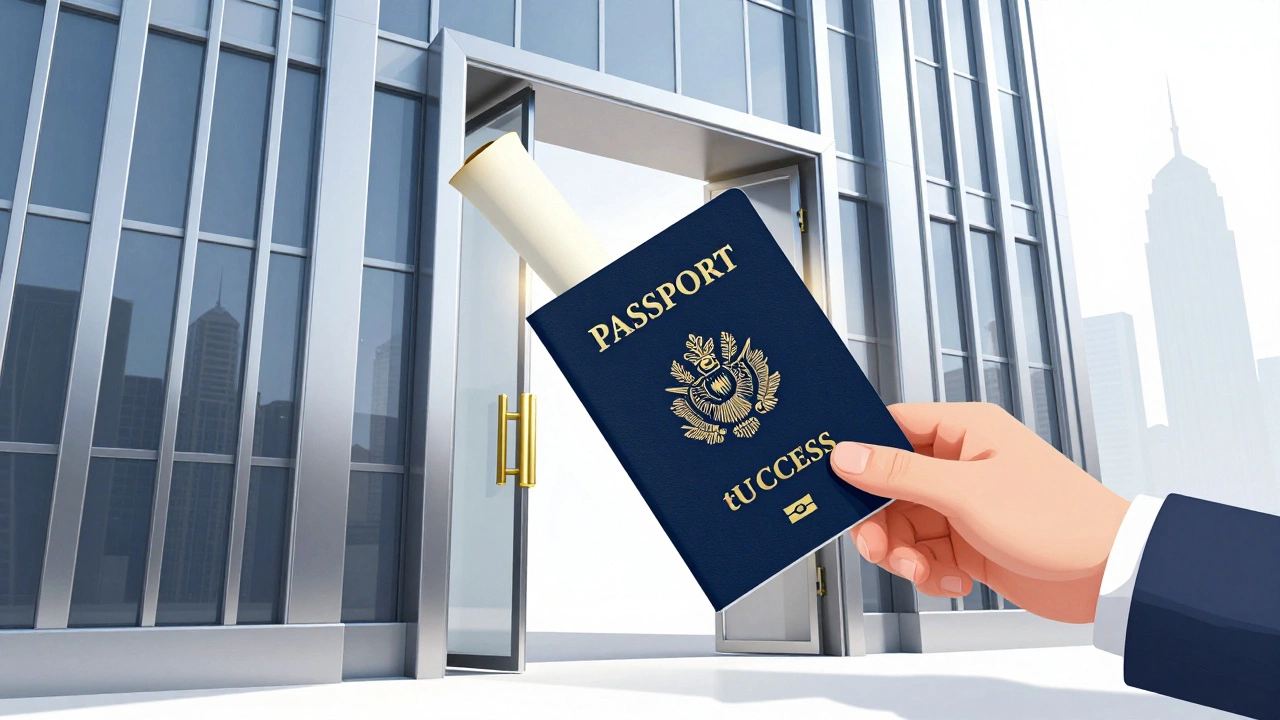
Think of it like a passport. A regionally accredited degree is a universal passport that gets you into almost any professional door. A non-accredited or poorly accredited degree is like a local gym membership card; it works in one specific place, but nowhere else.
| Feature | Regional Accreditation | National Accreditation |
|---|---|---|
| Recognition | Highest (Universities & Government) | Lower (Mostly Trade/Vocational) |
| Credit Transfer | Generally seamless | Often rejected by other schools |
| Employer View | Standard Academic Degree | Skill-based or Vocational |
| Focus | Broad academic standards | Specific industry skills |
Do Employers Actually Care if it's Online?
Ten years ago, there was a stigma. People wondered if online students just cheated their way through a few quizzes. Today, that's largely gone. After the massive shift toward remote work and digital classrooms in the early 2020s, the gap between "online" and "traditional" has vanished for most companies.
Most recruiters today care about the Learning Outcomes-basically, what you actually know how to do. If you have a degree in Computer Science from an accredited online program and you can pass a technical interview at a company like Google or Amazon, they aren't going to care that you studied in your pajamas.
In many cases, a distance degree actually looks better to an employer. It shows you have time-management skills, self-discipline, and the ability to work independently. You weren't just following a professor around a campus; you were managing your own education while likely handling other real-world responsibilities. That's a soft skill that's highly valued in the modern workforce.
The Red Flags: Spotting Diploma Mills
Since distance learning is so popular, it's also the perfect cover for scams. You've probably seen the ads promising a degree in three months based on "life experience." In the US, these are known as Diploma Mills, which are unaccredited entities that sell fake degrees for money without requiring actual academic work.
A degree from a diploma mill is not valid. Period. If you try to use one to get a government job or a professional license, you're not just failing-you could be flagged for fraud. Here are a few ways to tell if a school is a fake:
- Too fast: They promise a degree in weeks or months. A real bachelor's degree takes years of credit hours.
- Vague accreditation: They claim to be "internationally accredited" by a board you've never heard of. Always check the Department of Education (ED) or the Council for Higher Education Accreditation (CHEA) database.
- Lack of a physical presence: While online schools are the norm, every legitimate US university has a physical headquarters and a legal corporate identity.
Licensing and Certification Hurdles
While a general business degree from an online school is usually fine, things get tricky when you enter "regulated" professions. This is where the validity of your degree is tested by law, not just by a boss.
For example, if you're studying Nursing, the state board of nursing in your specific state decides if your online degree is valid. Some states require a certain number of in-person clinical hours that cannot be replaced by a simulator. If your distance program doesn't provide those local placements, you won't be able to sit for the NCLEX exam.
The same applies to Law. While online LLM degrees are common, the path to becoming a licensed attorney typically requires a degree from an American Bar Association (ABA) accredited school. If the online program isn't ABA-approved, you're not getting into the bar exam in most states.
Comparing the Experience: Online vs. Traditional
If you're still deciding whether to go the distance route, it helps to look at the trade-offs. It's not just about validity; it's about how the degree shapes your professional network.
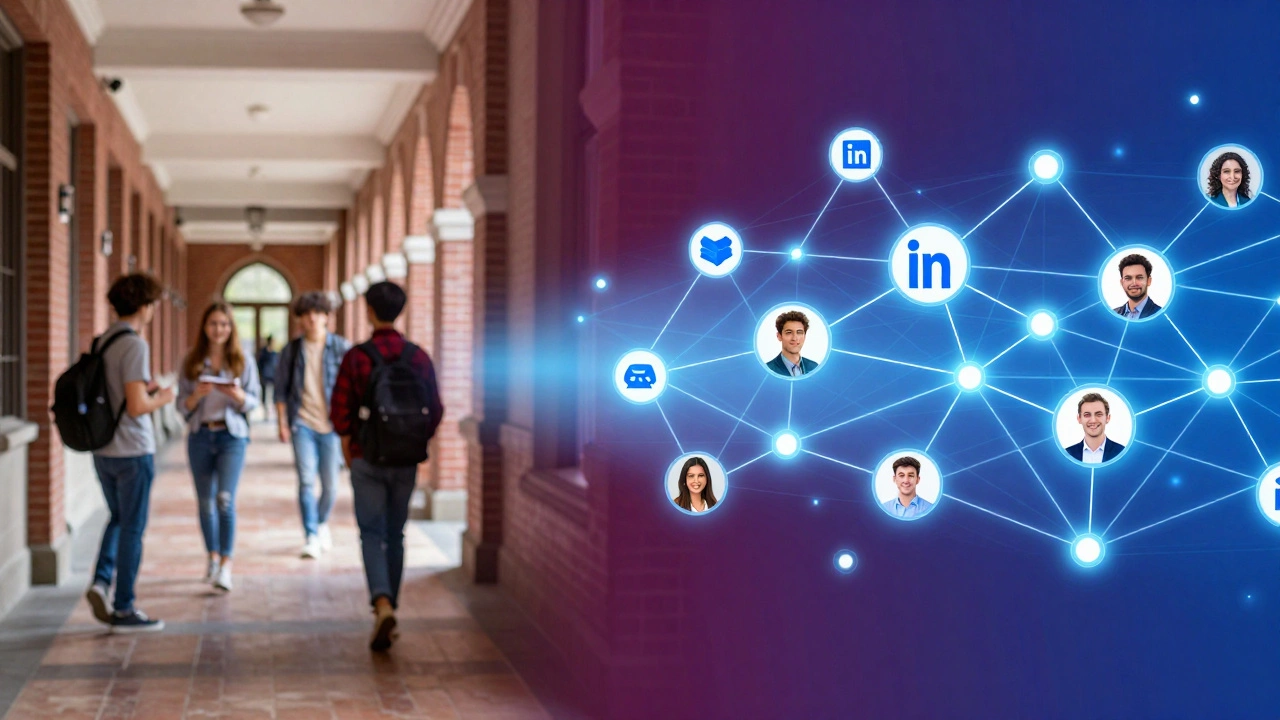
Traditional degrees give you "hallway networking." You meet people organically, join clubs, and build relationships with professors in person. Distance learning replaces this with digital networking. You'll use Slack, LinkedIn, and Zoom. The validity of the degree is the same, but the way you use it to find a job might differ. You have to be much more proactive about reaching out to alumni and networking groups.
One pro tip: Look for "hybrid" or "blended" programs. These offer the flexibility of distance learning but include occasional on-campus intensives. These are often viewed as the best of both worlds because they prove you can handle the rigor of a classroom while maintaining the independence of a remote learner.
Will my online degree be listed differently on my diploma?
In most cases, no. Most reputable universities issue the exact same diploma regardless of whether you attended classes online or on campus. Your transcript will show the courses you took, but the degree title (e.g., Bachelor of Science in Psychology) remains identical.
Are online degrees from foreign universities valid in the USA?
It depends. US employers and institutions don't recognize foreign accreditation automatically. You will likely need a "credential evaluation" from a service like WES (World Education Services) to prove that your degree is equivalent to a US degree. If the foreign school is well-known and accredited in its own country, it's usually accepted.
What is the difference between "regionally accredited" and "nationally accredited"?
Regional accreditation is generally for traditional academic degrees (Associate, Bachelor, Master, PhD) and is recognized across different universities. National accreditation is often focused on vocational, technical, or trade-specific skills. While national accreditation is valid for those specific careers, it's often not accepted if you want to transfer credits to a traditional university.
Can I get a government job with an online degree?
Yes, as long as the degree is from a school accredited by an agency recognized by the US Department of Education. Federal and state governments care about the accreditation status, not the delivery method of the classes.
How can I verify if a school's accreditation is real?
Don't trust the school's own website. Go directly to the Database of Accredited Postsecondary Institutions and Programs operated by the US Department of Education (ED) or check the Council for Higher Education Accreditation (CHEA) website. If the school isn't listed there, be very cautious.
Next Steps for Students and Professionals
If you're already enrolled or looking at a program, do a quick audit. Start by searching the CHEA database for your school. If you find a regional accreditor, you can breathe easy. If you're in a specialized field like healthcare or law, email the state licensing board where you plan to work and ask specifically: "Do you accept degrees from [School Name]'s online program for licensure?" Get that answer in writing.
For those who already have their degree and are applying for jobs, don't hide the fact that it was a distance program, but don't lead with it either. List your degree the same way you would a traditional one. If an interviewer asks, frame it as a choice based on flexibility and your ability to manage a complex schedule. That turns a potential question about "validity" into a conversation about your professional strengths.