




Exam Brain Fuel Simulator
Choose a snack below to see how it impacts your brain's energy levels and ability to retain information during revision.
Cognitive Impact Analysis
Hippocampus Effect:
Supports synaptic plasticity. Ideal for encoding new memories without inflammation spikes.
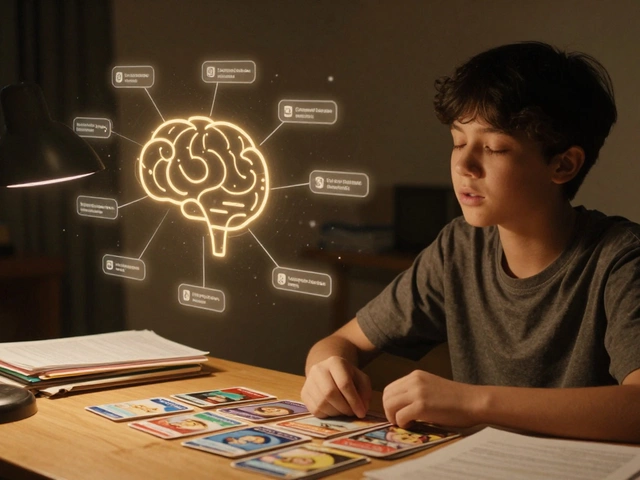
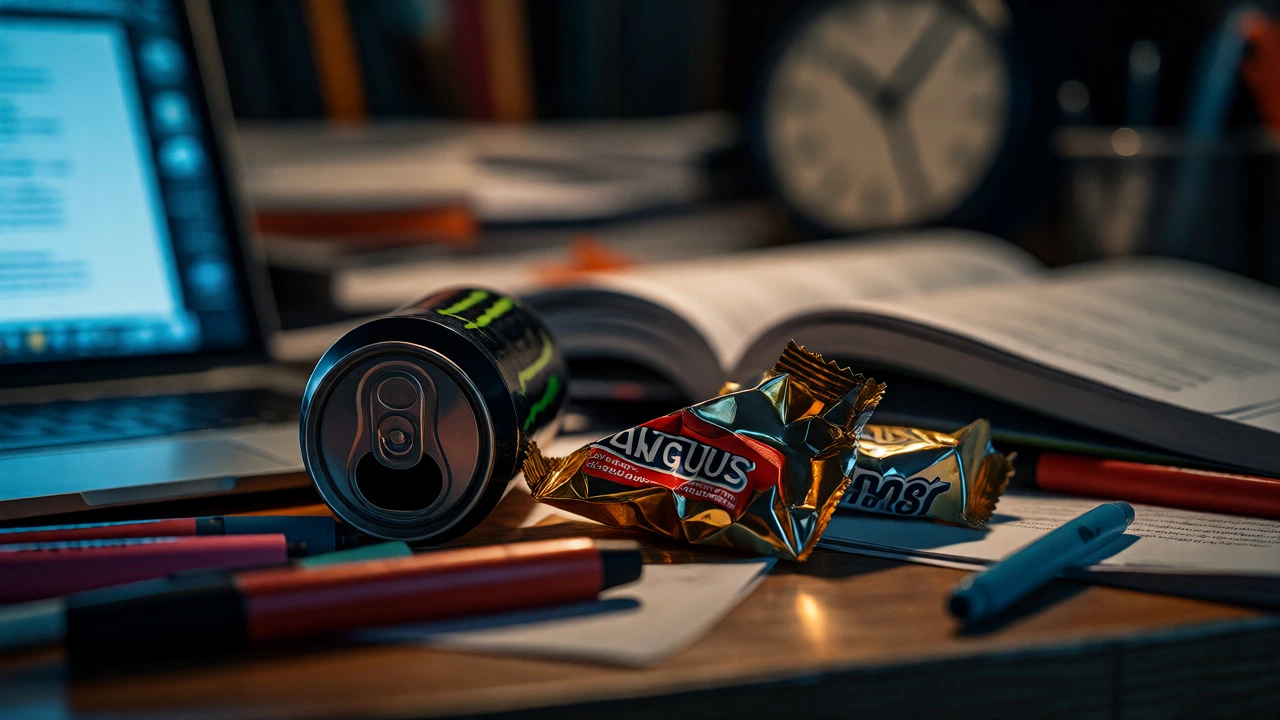
You’re three weeks out from your final exams. You’ve got the highlighters ready, the past papers stacked, and a playlist of lo-fi beats queued up. But every time you sit down to revise, your mind feels like it’s wading through treacle. You read the same paragraph four times, and it just doesn’t stick. Sound familiar? Most students blame lack of sleep or poor study techniques. But there’s a silent saboteur sitting on your desk right now, wrapped in a shiny foil packet.
While stress and sleep deprivation definitely hurt cognitive function, research points to one specific dietary habit that does more damage to your short-term memory than almost anything else during crunch time. It’s not skipping breakfast (though that’s bad). It’s not drinking too much coffee (within reason). The #1 worst eating habit for memory loss is a diet high in refined sugars and processed carbohydrates, specifically when consumed in large, frequent spikes throughout the day.
Why Sugar Spikes Wreck Your Recall
Your brain is an energy hog. It makes up about 2% of your body weight but consumes roughly 20% of your total energy budget. This energy comes primarily from glucose. But here’s the catch: your brain hates instability. It wants a steady, reliable supply of fuel, not a rollercoaster.
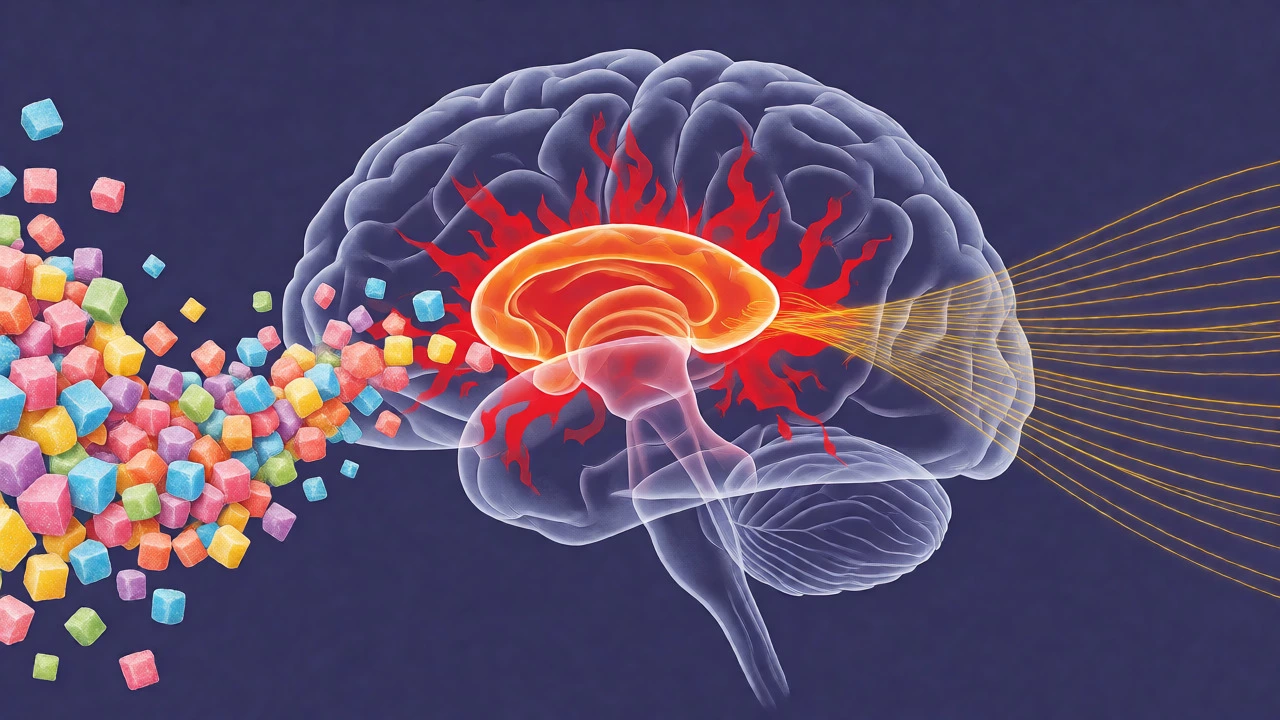
When you eat a candy bar, a sugary latte, or a bag of crisps, your blood sugar shoots up rapidly. In response, your pancreas pumps out insulin to shuttle that glucose into your cells. Often, it overcompensates, causing your blood sugar to crash shortly after. This crash leaves you feeling foggy, irritable, and unable to focus. But the real problem isn’t just the immediate slump; it’s what happens inside your hippocampus-the part of your brain responsible for forming new memories.
A 2013 study published in the Journal of Physiology found that diets high in saturated fats and refined sugars caused inflammation in the hippocampus. For students, this inflammation directly impairs synaptic plasticity, which is the mechanism your brain uses to strengthen connections between neurons. Simply put, if your hippocampus is inflamed, your ability to encode new information-like historical dates or chemical formulas-drops significantly.
The Mechanism: Inflammation and Insulin Resistance
You might think, "But I need energy!" True, but not all energy sources are created equal. Chronic consumption of high-glycemic foods can lead to temporary states of insulin resistance in the brain. Some researchers even refer to Alzheimer’s disease as "Type 3 diabetes," highlighting the link between metabolic health and cognitive decline.
During exam prep, you don’t have years to develop chronic conditions, but you do experience acute effects. When you spike your insulin repeatedly, your brain’s sensitivity to insulin decreases. Insulin plays a crucial role in memory formation. If your brain cells stop responding properly to insulin signals, the process of turning short-term memories into long-term storage gets disrupted.
Hippocampus is a seahorse-shaped structure in the medial temporal lobe of the brain, critical for the consolidation of information from short-term memory to long-term memory. Its function is heavily influenced by metabolic health and inflammatory markers.
Common Culprits During Revision Season
It’s easy to fall into the sugar trap because studying is stressful, and stress triggers cravings for comfort food. These are the usual suspects lurking in student backpacks:
- Sugary Drinks: Energy drinks and sodas provide a quick hit but lead to a harder crash than water or tea.
- White Bread & Pastries: Croissants, muffins, and white toast convert to glucose almost instantly, spiking blood sugar without providing sustained fuel.
- Processed Snacks: Chocolate bars with high sugar content, rather than dark chocolate, offer little nutritional value for the brain.
- Fast Food: High in both refined carbs and unhealthy fats, creating a double-hit of inflammation.
If you’re relying on these for fuel between study blocks, you’re essentially training your brain to struggle with retention.
What to Eat Instead: Brain-Friendly Fuel
The goal isn’t to eliminate joy from your diet but to stabilize your energy levels. Think of your brain like a hybrid car-it runs best on clean, consistent fuel. Here’s what works better:
Complex Carbohydrates
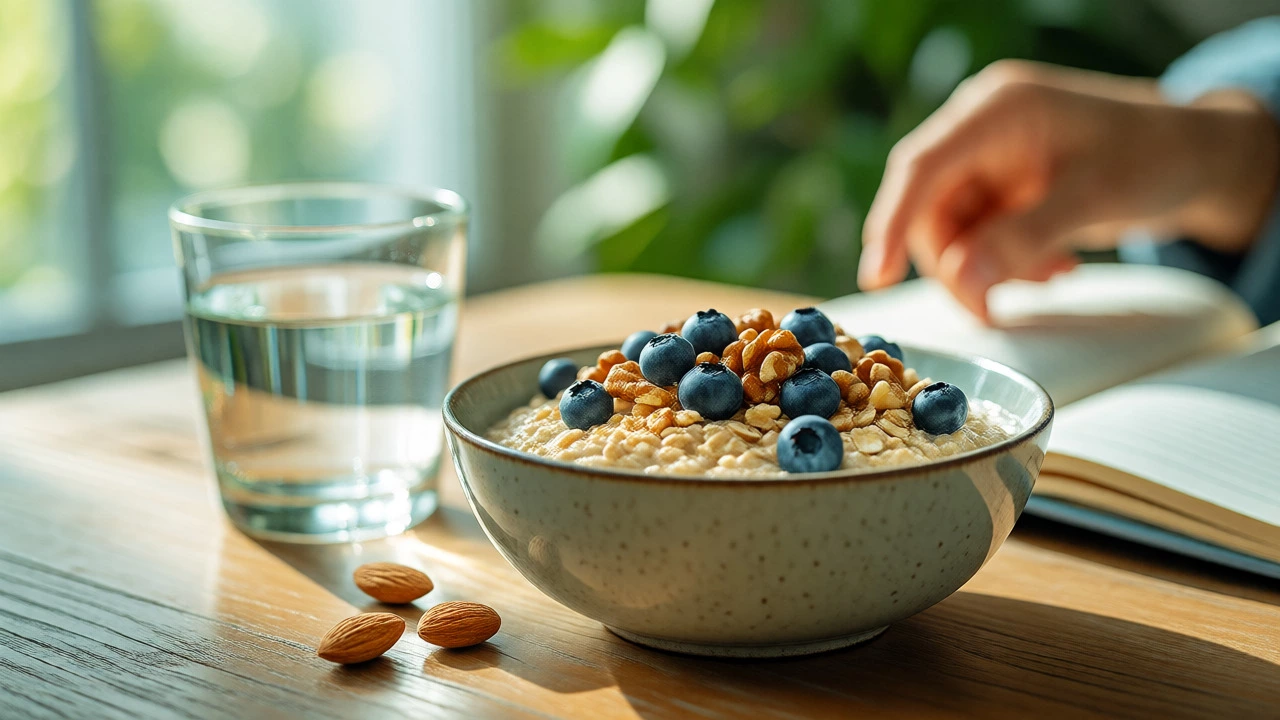
Swap white bread for whole grains, oats, or quinoa. These release glucose slowly, keeping your blood sugar stable for hours. Oatmeal with berries is a classic for a reason-it provides steady energy and antioxidants.
Healthy Fats
Your brain is nearly 60% fat. Feeding it good fats supports cell membrane health. Avocados, nuts (especially walnuts), seeds, and olive oil are excellent choices. Omega-3 fatty acids, found in oily fish like salmon or mackerel, are particularly potent for reducing inflammation.
Antioxidant-Rich Foods
Berries (blueberries, strawberries) contain flavonoids that improve communication between brain cells. Dark leafy greens like spinach and kale provide vitamins K, E, and folate, which slow cognitive decline.
Practical Strategy for Exam Weeks
You don’t need to become a chef overnight. Small tweaks make a big difference. Here’s a simple plan to protect your memory while revising:
- Hydrate First: Dehydration mimics the symptoms of low blood sugar. Drink water before reaching for snacks.
- Pair Carbs with Protein/Fat: Never eat a carb alone. If you have an apple, pair it with peanut butter. If you have toast, add eggs or avocado. This slows digestion and prevents spikes.
- Time Your Caffeine: Coffee can help focus, but avoid it after 2 PM to protect sleep quality. Sleep is when memory consolidation actually happens.
- Prep Snacks: Keep almonds, boiled eggs, or Greek yogurt at your desk. Out of sight, out of mind-if the biscuits aren’t there, you won’t eat them.
Does This Mean No More Treats?
No. Balance is key. If you love chocolate, choose dark chocolate with at least 70% cocoa. It has less sugar and contains compounds that may actually boost blood flow to the brain. The problem isn’t occasional indulgence; it’s using sugar as your primary coping mechanism for stress every single day.
Think of your revision period as a marathon, not a sprint. You wouldn’t drink only soda during a marathon run; you’d pace yourself with electrolytes and steady carbs. Treat your brain with the same respect.
Key Takeaways for Better Retention
- Avoid High-Glycemic Spikes: Frequent crashes impair hippocampal function and memory encoding.
- Inflammation Matters: Refined sugars and processed fats cause brain inflammation that hinders learning.
- Stability Over Speed: Choose slow-releasing fuels like oats, nuts, and vegetables over instant sugar hits.
- Combine Nutrients: Pair carbohydrates with protein or healthy fats to flatten blood sugar curves.
| Snack Type | Glycemic Index | Memory Impact | Energy Duration |
|---|---|---|---|
| Candy Bar | High | Negative (Crash) | Short (30-60 mins) |
| Apple + Almonds | Low | Positive (Stable) | Long (2-3 hours) |
| White Toast | Medium-High | Mixed (Variable) | Medium (1 hour) |
| Oatmeal + Berries | Low | Positive (Sustained) | Long (3+ hours) |
Frequently Asked Questions
Is coffee bad for my memory during exams?
Not necessarily. Moderate caffeine intake (up to 400mg per day) can enhance alertness and attention. However, excessive consumption can increase anxiety and disrupt sleep, which indirectly harms memory. Stick to morning or early afternoon doses.
How quickly does cutting sugar improve focus?
Many people notice reduced brain fog within 2-3 days of stabilizing their blood sugar. Full cognitive benefits regarding memory retention may take 1-2 weeks as inflammation levels decrease.
Are artificial sweeteners okay for studying?
Current evidence is mixed. While they don’t spike blood sugar like sucrose, some studies suggest certain artificial sweeteners may alter gut bacteria, which influences brain health via the gut-brain axis. Water, herbal tea, or black coffee are safer bets.
Do supplements replace a bad diet?
No. Supplements like omega-3 capsules or vitamin B12 support brain health but cannot undo the damage of a high-sugar, high-stress diet. Whole foods provide synergistic nutrients that pills often miss.
What is the best meal before an exam?
A balanced meal eaten 2-3 hours prior. Examples include grilled chicken with sweet potato and broccoli, or oatmeal with nuts and fruit. Avoid heavy, greasy meals that divert blood flow to digestion.