





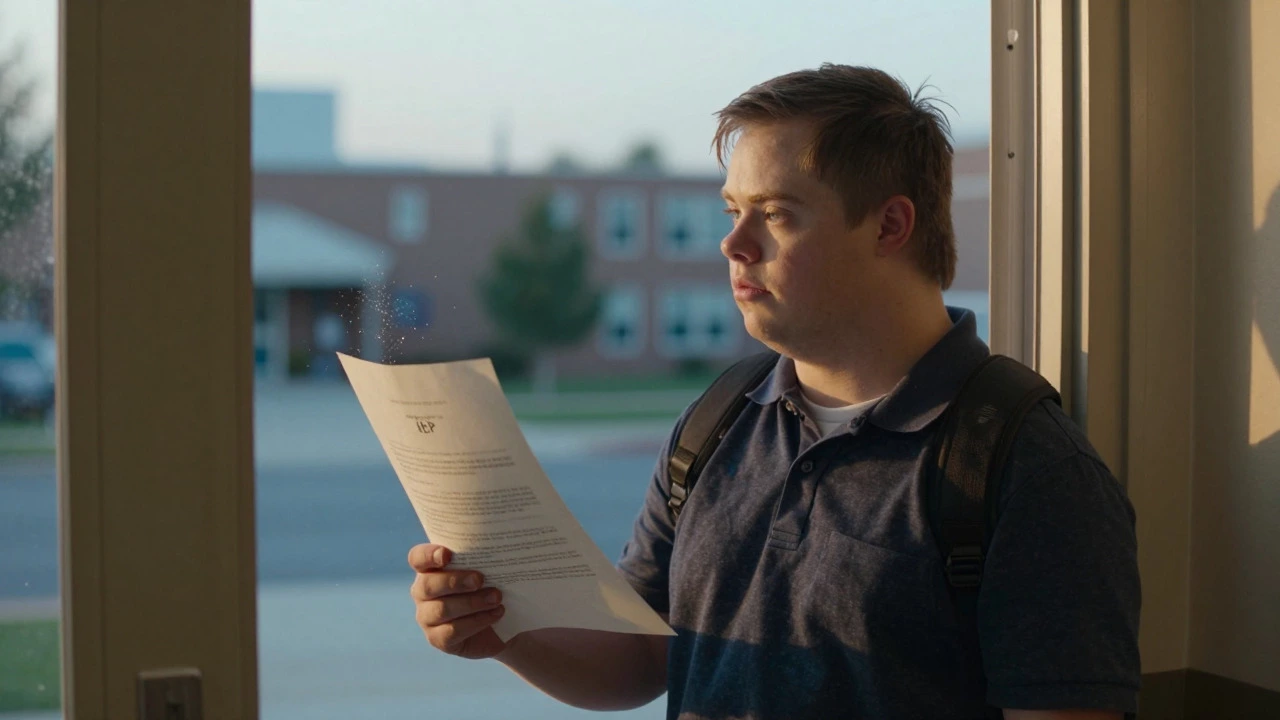
Transition Readiness Planner
The age of majority shifts decision-making power. Ensure legal structures are in place.
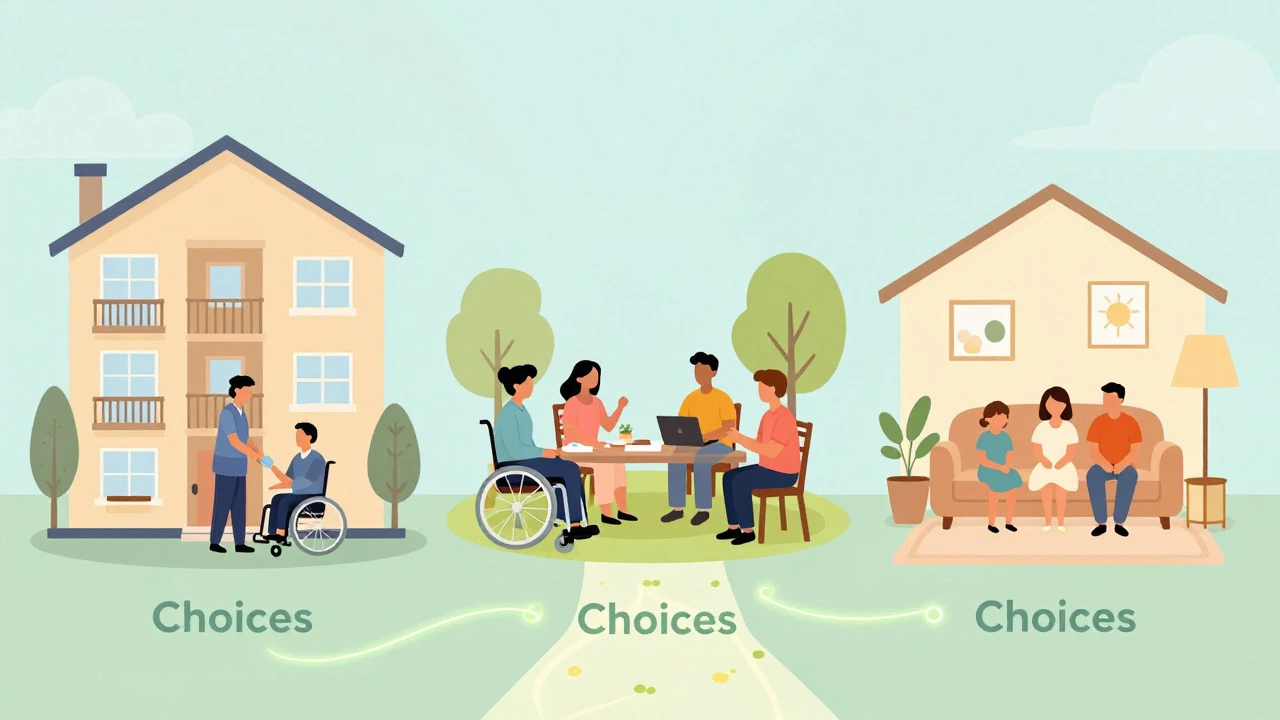
Explore options ranging from independent living to group homes early due to long waiting lists.
Work provides social connection and purpose. Explore vocational rehab and alternative paths.
Practical skills are non-negotiable for safety. Audit these abilities starting in middle school.
Eighteen is a magical number in the world of Special Needs Education is a specialized field focusing on educational strategies and support systems for individuals with diverse learning abilities. For most teenagers, it means driving privileges, voting rights, and the freedom to make their own mistakes. For young adults with intellectual or developmental disabilities, however, turning eighteen often feels less like a celebration and more like a cliff edge. The structured safety net of school vanishes overnight, replaced by a complex web of government agencies, eligibility criteria, and long waiting lists.
If you are a parent planning for your child’s future, or an educator helping students navigate this shift, you know the anxiety is real. What happens when the Individualized Education Program (IEP) expires? Who ensures they have a place to live? How do they find meaningful work? This article breaks down the reality of adulthood for people with special needs, moving beyond the fear to practical steps, legal changes, and the resources available today.
The Legal Shift: From Student to Citizen
The first thing that changes on an eighteenth birthday is not just social status; it is legal authority. In many jurisdictions, including Ireland and the United States, the age of majority triggers a transfer of rights. Under laws like the Individuals with Disabilities Education Act (IDEA) in the US, decision-making power shifts from parents to the student. If the young adult has an IEP, they now control who attends those meetings and what goals are set. Parents can still attend, but only with the student’s permission.
This shift extends to healthcare and finances. Medical privacy laws, such as HIPAA in the US or GDPR-compliant health data rules in Europe, prevent doctors from sharing information with parents without the patient’s consent. If your son or daughter struggles to understand financial concepts, they might suddenly be eligible for bank accounts in their name alone, potentially affecting their eligibility for means-tested benefits. Planning for this requires proactive steps, such as setting up a Special Needs Trust is a legal arrangement that allows assets to be held for a disabled individual without disqualifying them from government benefits. These trusts ensure that inheritance or savings don’t knock them off essential support programs.
Without proper legal preparation, families risk losing critical support. It is not about stripping away independence; it is about scaffolding it. Power of Attorney documents or guardianship arrangements should be discussed early, ideally before the birthday arrives, so the transition feels like a planned handover rather than a sudden loss of control.
Housing Options: Beyond the Family Home
Where will they live? This is often the biggest source of stress for aging parents. The dream is usually independent living, but for many, full independence isn't realistic or safe. Fortunately, the spectrum of housing options has widened significantly over the last decade.
| Housing Model | Level of Support | Cost Responsibility | Best For |
|---|---|---|---|
| Independent Living | Minimal (check-ins) | Tenant pays rent/utilities | High-functioning adults with strong executive skills |
| Supported Living | Moderate (daily tasks) | Mix of personal funds and state subsidies | Those needing help with cooking, budgeting, or hygiene |
| Group Homes | High (24/7 staff) | State-funded or private pay | Individuals requiring constant supervision or medical care |
| Family Co-habitation | Varies | Family absorbs costs | Short-term transition or lifelong family preference |
In Ireland, organizations like FASDIS is the Federation of Adult Services for People with Intellectual Disabilities, advocating for better housing and employment outcomes. push for community-based models. The trend is moving away from large institutional settings toward smaller, home-like environments. Supported living allows individuals to rent their own apartment while having a support worker visit daily or weekly to help with bills, cleaning, or grocery shopping. This model preserves dignity and autonomy while ensuring safety.
Families should start researching local housing providers years in advance. Waiting lists for state-subsidized group homes can stretch into decades. Exploring private options or cooperative housing models early can provide peace of mind and more choices when the time comes.
Employment and Vocational Training
School ends, but life doesn’t stop. Employment is crucial for mental health, social connection, and financial contribution. However, the traditional job market is often hostile to neurodivergent candidates. The good news is that the concept of "work" is expanding.
Vocational rehabilitation services play a key role here. These programs offer job coaching, resume building, and interview practice tailored to specific needs. In many countries, employers receive tax incentives or wage subsidies to hire individuals with disabilities. For example, the Supported Employment is a service model where job coaches assist individuals with significant disabilities in finding and keeping competitive jobs in the community. model pairs a job seeker with a coach who works alongside them at the workplace, fading out support as the employee gains confidence.
Consider alternative paths too. Social enterprises specifically designed for people with disabilities are growing. These businesses might focus on recycling, gardening, or artisan crafts, providing a supportive environment where pace and pressure are adjusted to individual capabilities. Remote work opportunities have also exploded, allowing individuals who struggle with sensory overload in open offices to contribute from home. Coding, data entry, and graphic design are fields where ability matters far more than social conformity.
Education doesn’t end at eighteen either. Post-secondary programs for students with intellectual disabilities exist at universities worldwide. These programs allow students to take college courses, live in dorms, and experience campus life with academic support. It bridges the gap between high school and adulthood, offering a "fourth year" of growth.
Healthcare and Daily Living Skills
When school nurses and therapists disappear, who manages medication, appointments, and diet? This is where daily living skills become paramount. Schools often focus heavily on academics, neglecting the practical skills needed for survival. Cooking simple meals, understanding bus routes, recognizing hunger cues, and managing personal hygiene are non-negotiable.
Parents should audit these skills starting in middle school. Can your child prepare a sandwich without prompting? Do they know how to call for help if they feel unwell? Occupational therapists can help bridge gaps in fine motor skills or routine management. As adults, healthcare transitions from pediatric specialists to general practitioners. Finding a doctor who understands autism, ADHD, or Down syndrome is vital, as misdiagnosis is common due to overlapping symptoms.
Mental health is another silent crisis. Rates of depression and anxiety are higher among adults with disabilities, often stemming from social isolation or frustration with systemic barriers. Access to counseling and peer support groups is essential. Organizations like the National Autistic Society is a UK-based charity providing advice, support, and campaigns for autistic people and their families. or local equivalents offer lifelines for both individuals and caregivers.

Financial Independence and Benefits
Navigating the financial landscape is perhaps the most technical challenge. Governments provide various forms of assistance, but the rules are strict. In the US, Supplemental Security Income (SSI) and Social Security Disability Insurance (SSDI) provide monthly payments based on income and work history. In Ireland, the Disability Allowance supports those under pension age who have a disability likely to last 12 months or more.
The trap? Earning money can mean losing benefits. Every dollar earned might reduce benefit payments, creating a "benefits cliff." Families must calculate the break-even point carefully. Sometimes, working part-time with some support is financially smarter than full-time employment, especially when factoring in the cost of childcare or transportation. Financial planners specializing in special needs can map out these scenarios, ensuring that every hour worked adds value rather than subtracting security.
Also, consider the long-term view. Will they need care in old age? Nursing homes rarely accept patients with complex behavioral needs unless they are fully self-funded. Setting aside funds in a First Party or Third Party Special Needs Trust can cover these future costs without jeopardizing current public aid.
Building a Community and Social Life
School provides a built-in social circle. Adulthood does not. Loneliness is a major risk factor for poor health outcomes. Intentional effort is required to build and maintain friendships. Recreational programs, sports leagues, and hobby clubs tailored for adults with disabilities are springing up in cities across the globe.
Volunteering is another powerful tool. It gives purpose, structure, and social interaction. Many individuals with special needs thrive in roles involving animals, libraries, or community gardens. The key is matching the activity to the person’s interests and energy levels. Technology also plays a role; video games and online communities can provide valuable social connections for those who find face-to-face interaction draining.
Advocacy groups empower individuals to speak for themselves. Self-advocacy networks teach communication skills, rights awareness, and leadership. When young adults learn to articulate their needs-whether asking for a quiet workspace or requesting clear instructions-they gain confidence that translates into all areas of life.
At what age does special education end?
In most countries, including the US and Ireland, formal special education services under an IEP end at age 18 or 21, depending on local laws. In the US, IDEA mandates services until age 21 or graduation, whichever comes first. After this, individuals must transition to adult services, which are often separate from the school system.
How do I apply for adult disability benefits?
Application processes vary by country. In the US, you apply through the Social Security Administration for SSI or SSDI. In Ireland, you apply for the Disability Allowance through the Department of Social Protection. You will need extensive medical documentation, proof of income, and often a functional assessment showing how the disability limits daily activities. Starting the application process six months before the child turns 18 is recommended due to processing delays.
What is a Special Needs Trust and why do I need one?
A Special Needs Trust (SNT) holds assets for a disabled person without counting those assets against means-tested benefit limits. Without an SNT, inheriting $5,000 could disqualify someone from Medicaid or SSI. An SNT allows the beneficiary to use funds for extra quality-of-life expenses like hobbies, travel, or technology, while the government covers basic needs like food and shelter.
Are there college programs for students with intellectual disabilities?
Yes, many universities now offer inclusive post-secondary programs. These are not degree-granting in the traditional sense but provide academic coursework, social integration, and life skills training. Examples include the Kripalu Center for Yoga and Health partnerships or university-specific initiatives like the Program in Adaptive Secondary Education (PASE). They help students experience college life safely.
How can I help my child develop independent living skills?
Start small and consistent. Use visual schedules, break tasks into tiny steps, and practice repeatedly. Involve them in household chores appropriate to their ability. Hire occupational therapists if needed to address specific deficits in motor skills or routine management. Focus on safety first: cooking, fire hazards, and stranger danger. Gradually increase responsibility as competence grows.
Loneliness is a risk. Build intentional social circles outside of school.