






Private Tutoring Cost Estimator (Ireland, 2026)
Monthly Cost Breakdown (4 Weeks)
Total Sessions per Month
0
Base Rate Multiplier
x1.00
Estimated Monthly Total
€0.00
*Note: This estimate is based on average market rates for Ireland in 2026. Actual prices may vary based on individual tutor experience, specific exam board requirements, and negotiation of package deals.
Cost-Saving Tips Based on Your Selection
There’s a reason your wallet flinches when you see that quote. In Dublin, a single hour with a qualified private tutor is an independent educational service where a certified professional provides one-on-one instruction tailored to specific academic or skill-based needs can easily hit €45 to €70. For parents juggling school fees and extracurriculars, that number feels steep. But before you assume it’s just greed, look at what actually goes into that price tag. It isn’t just the time spent in the room; it’s a complex mix of labor costs, qualification premiums, and market dynamics that have shifted significantly over the last few years.
Understanding the anatomy of these costs helps you decide if you’re paying for luxury or necessity. The price isn’t arbitrary-it’s a reflection of supply, demand, and the high barrier to entry required to teach effectively outside a classroom setting. Let’s break down exactly where your money goes and why the numbers are what they are.
The True Cost Structure of a Tutoring Hour
When you pay for an hour of tuition, the tutor rarely gets paid for sixty minutes of pure teaching. The billable hour is often the tip of the iceberg. Behind every session lies a significant amount of unpaid or low-paid preparatory work that directly impacts the final rate.
- Preparation Time: A good tutor spends 30 to 60 minutes preparing materials, diagnosing student weaknesses, and planning lesson flows before the actual session starts. This prep time is often not billed separately but is factored into the hourly rate.
- Administrative Overhead: Scheduling, invoicing, tracking progress, and communicating with parents consume hours each week. For self-employed tutors, this is real work that eats into their effective hourly wage.
- Travel and Logistics: If the tutor travels to your home, fuel, parking, and travel time add up. Many urban tutors in cities like Dublin or London include a travel surcharge or bake it into a higher base rate to account for this friction.
So, if a tutor charges €50 per hour, they might only be taking home €30 after accounting for taxes, insurance, and the non-billable hours mentioned above. That context explains why cutting corners on rate often means cutting corners on quality.
Qualifications Drive the Price Tag
Not all tutors are created equal, and the market prices them accordingly. The level of formal education and specialized training a tutor possesses is the single biggest driver of variance in pricing.
| Tutor Profile | Typical Rate Range | Key Attributes |
|---|---|---|
| Student Peer Tutor | €15 - €25 | Current university student, limited experience, lower cost |
| Certified Secondary Teacher | €35 - €55 | Trained pedagogy, exam board expertise, professional reliability |
| Specialist/University Professor | €60 - €90+ | Advanced degrees, niche subject mastery, high-demand fields |
A university student helping with basic math homework commands a fraction of the cost of a fully certified secondary school teacher who has ten years of experience marking exams. Why? Because the certified teacher brings proven pedagogical methods, familiarity with specific curriculum standards (like the Leaving Certificate in Ireland), and a track record of results. You aren't just buying knowledge; you're buying the efficiency of someone who knows exactly how to transfer that knowledge quickly.

Subject Complexity and Market Demand
Some subjects are inherently more expensive to teach than others. This isn't just about difficulty; it's about scarcity and specialization.
Consider the difference between general English literature and advanced Calculus or Physics. While many graduates can discuss Shakespeare, fewer have the deep technical proficiency to troubleshoot complex physics problems at an A-Level or university entrance level. When the supply of qualified experts is low and the demand from students aiming for competitive universities is high, prices rise. This is particularly true for STEM subjects and languages that are less commonly taught in mainstream schools.
Additionally, exam preparation carries a premium. Tutors who specialize in high-stakes exams, such as the SAT, ACT, or national leaving exams, often charge more because they offer a structured pathway to a measurable outcome. Parents view this as an investment with a clear return, allowing tutors to command higher fees compared to general enrichment lessons.
Location and Mode of Delivery
Where you live and how you receive the lesson play a surprising role in the final price. Urban centers with high costs of living, such as Dublin, London, or New York, naturally have higher baseline rates. Tutors in these areas face higher rent and living expenses, which are passed on to clients.
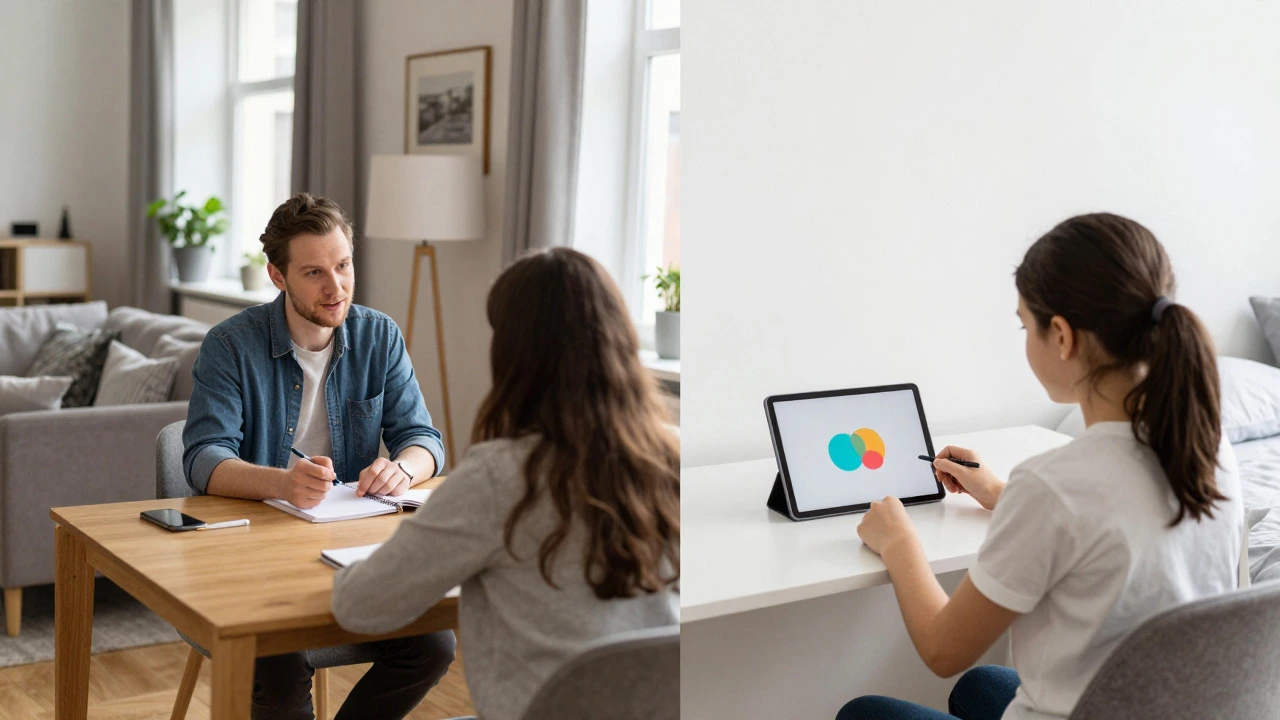
However, the mode of delivery is changing the game. Online tutoring has disrupted traditional pricing models. By removing travel time and overheads, online tutors can often offer rates 10-20% lower than their in-person counterparts. Yet, top-tier online specialists still maintain high prices due to global competition. If you are hiring locally, expect to pay for convenience and personal interaction. If you go online, you trade some physical presence for flexibility and potentially lower costs, provided you find a reputable platform or individual.
Hidden Costs and Value Assessment
Beyond the hourly rate, there are other factors that influence the total cost of private tutoring. These are often overlooked until the invoice arrives.
- Minimum Session Lengths: Many tutors require a minimum of two hours per week or a monthly retainer. This ensures a consistent income stream for them but can increase your upfront commitment.
- Material Fees: Some tutors provide proprietary worksheets, digital resources, or books. While not always charged separately, these can add up if not negotiated upfront.
- Group vs. One-on-One: Group sessions are cheaper per person but less personalized. If you're budget-constrained, joining a small group of 3-4 students with similar goals can slash costs significantly while maintaining decent attention.
To assess value, ask yourself: Is the tutor solving a specific problem, or just filling time? A high-priced tutor who identifies a gap in understanding and fixes it in three sessions offers better value than a mid-priced tutor who requires twenty generic sessions. Efficiency is the ultimate metric for judging expense.
Strategies to Manage Tutoring Expenses
If the cost seems prohibitive, you don't necessarily have to give up on private support. There are practical ways to get quality help without breaking the bank.
- Negotiate Package Deals: Most tutors prefer steady, long-term clients. Ask for a discount if you commit to a 10-session package or weekly lessons for a semester.
- Target Specific Weaknesses: Instead of ongoing general tutoring, hire a specialist for a short, intensive block to fix a specific concept. Once mastered, drop the frequency.
- Mix Delivery Modes: Use online tools for practice and drills, and save in-person time for conceptual breakthroughs and exam strategy discussions.
- Check for University Programs: Many universities run supervised peer-tutoring programs where current students are trained and paid modest stipends to tutor younger students. These are often free or very low-cost for families.
By being strategic about when and how you use a tutor, you can maximize the impact of every euro spent. The goal isn't just to learn; it's to learn efficiently.
Is private tutoring worth the high cost?
It depends on the goal. For high-stakes exams or significant learning gaps, the targeted approach often yields faster results than relying solely on classroom instruction. If the tutor can identify and fix specific issues efficiently, the ROI is high. For general maintenance, it may be overkill unless the child struggles with motivation or focus.
How do I know if a tutor's price is fair?
Compare rates within your local area for similar qualification levels. A certified teacher charging double the rate of a student tutor should offer commensurate value, such as proven exam results or specialized techniques. Ask for references or sample lesson plans to gauge their methodology before committing to a high rate.
Are online tutors cheaper than in-person tutors?
Generally, yes. Online tutors save on travel and administrative overheads, allowing them to pass savings to clients. However, top-tier specialists may charge similar rates regardless of medium due to high demand. Always compare the total value, including resource access and flexibility, not just the hourly fee.
What is the best way to reduce tutoring costs?
Negotiate bulk discounts for committed packages, consider small group sessions, or use university peer-tutoring programs. Additionally, focus tutoring on specific weak areas rather than continuous general support to minimize the total number of hours needed.
Do tutors charge extra for holidays or weekends?
Many tutors apply premium rates for weekend or evening slots, as these times are harder to schedule. Confirm the rate structure upfront to avoid surprises. Some may offer standard rates during school term weekdays but increase fees during exam periods when demand spikes.