




Distance Learning Savings Estimator
Your Current/Expected Costs
Enter your estimated monthly expenses for a traditional campus setup to see how much distance learning could save you.
Estimated Total Savings
Quick Takeaways
- Complete control over your schedule and learning pace.
- Significant cost savings on commuting, housing, and physical materials.
- Access to global experts and institutions regardless of your zip code.
- Development of high-demand digital literacy and time-management skills.
The Death of the One-Size-Fits-All Pace
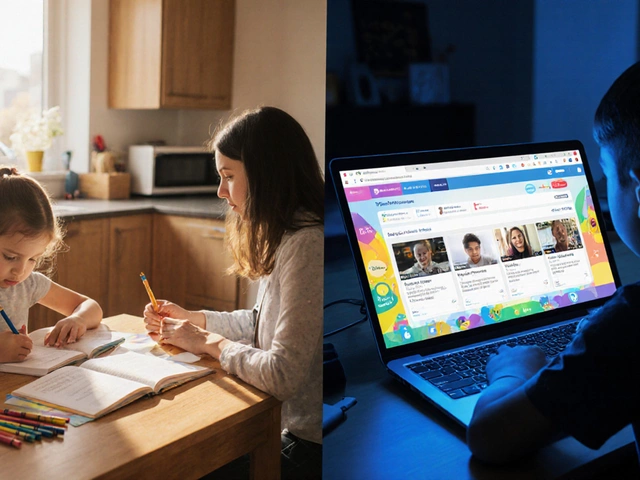
In a standard classroom, the teacher has to aim for the middle. If they go too fast, the struggling students get left behind. If they go too slow, the advanced students get bored and check out. It is a lose-lose scenario. Distance learning is an educational method where students and teachers are not physically present in the same location, utilizing digital platforms to deliver content. This shift fundamentally changes the power dynamic of the classroom.
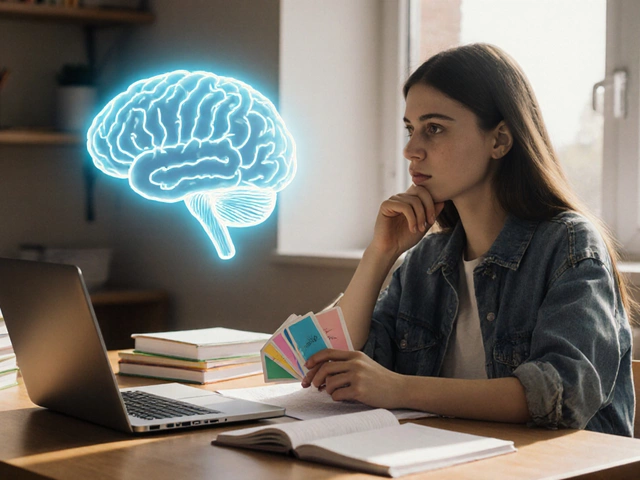
When you study online, you own the clock. If a concept in organic chemistry makes perfect sense after five minutes, you skip ahead. If a specific module on macroeconomics feels like a foreign language, you can re-watch the lecture three times, pause it to take notes, and research the terms in real-time. This is called asynchronous learning, and it ensures that no one moves on to a complex topic until they have actually mastered the basics. Why spend an hour in a lecture hall feeling confused when you can spend twenty minutes of focused, personalized time mastering the same material?
Breaking the Geographic Monopoly on Quality
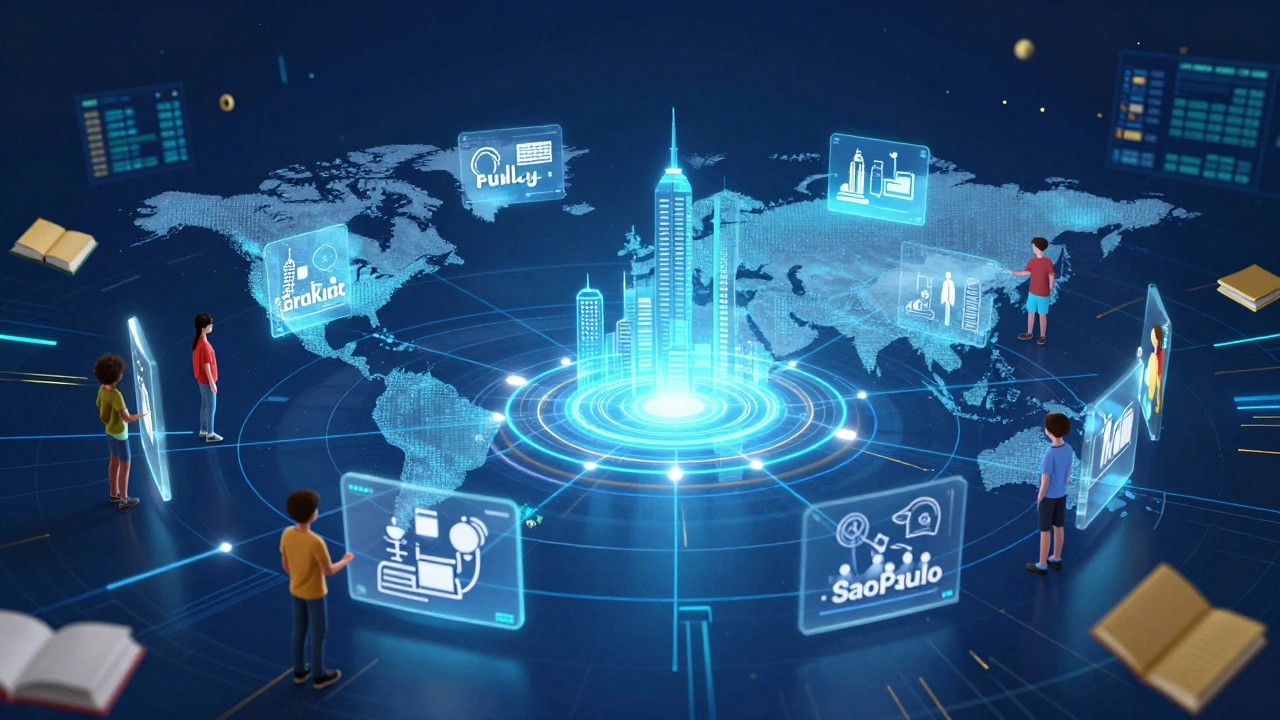
For decades, your education was limited by where you lived. If you wanted a world-class degree in Data Science but lived in a small town in rural Ireland or the Midwest, you had two choices: move your entire life to a big city or settle for a local program that might be outdated. Online Education has effectively demolished these borders. Now, a student in Dublin can take a specialized certification from a university in Singapore or a professional course from a tech giant in Silicon Valley.
This isn't just about convenience; it's about diversity of thought. In a physical classroom, you are surrounded by people from the same local area. In a global digital classroom, your peer group includes people from five different continents. When you discuss political science or global business with someone in Tokyo, Lagos, and Sao Paulo simultaneously, your perspective expands in a way that a local campus simply cannot replicate. You aren't just learning a subject; you're learning how the world actually works.
| Feature | Traditional Classroom | Distance Learning |
|---|---|---|
| Schedule | Fixed / Rigid | Flexible / On-demand |
| Cost | High (Commute, Housing, Facilities) | Lower (Digital materials, no commute) |
| Pacing | Teacher-led (Average speed) | Student-led (Personalized speed) |
| Accessibility | Limited by Geography | Global Access |
| Networking | Local/Regional | International / Digital |
The Hidden Financial Win
Let's talk about the money. Traditional college isn't just about tuition; it's about the "hidden tax" of being a student. Think about the cost of a commute-fuel, parking permits, or public transport. Then there's the cost of living near a campus, where landlords know they can charge a premium for a tiny room because students have no other choice. Remote Study removes these overheads entirely.
Beyond the obvious savings, there is the opportunity cost. In a traditional setup, you often have to choose between working and studying. With distance learning, that conflict disappears. You can maintain a full-time job or a freelance business while earning a degree. This means you aren't just graduating with a piece of paper; you're graduating with years of professional experience and a bank account that isn't completely drained by student loans. For someone working a 9-to-5, the ability to study at 9 PM after the kids are asleep is the only thing that makes higher education possible.
Building a Professional "Digital Muscle"
There is a common myth that online students miss out on "real-world skills" because they aren't interacting face-to-face. The truth is actually the opposite. We are living in an era of remote work. Companies like Shopify, Gitlab, and thousands of others operate entirely in the cloud. By completing a degree online, you are essentially practicing for the modern workforce every single day.
To succeed in distance learning, you have to master Learning Management Systems (LMS) like Canvas or Moodle. You have to coordinate projects across time zones using Slack or Zoom. You have to manage your own time without a teacher standing over your shoulder reminding you that a paper is due on Friday. These are not "academic" skills; they are high-value professional competencies. An employer in 2026 cares far more that you can manage a project independently via a digital dashboard than whether you can sit quietly in a lecture hall for two hours.
Overcoming the Social Isolation Gap
The biggest argument against distance learning is always the "lack of social interaction." Yes, you aren't grabbing coffee with a classmate after a lecture, but that doesn't mean you're alone. The social structure has simply shifted from physical proximity to shared interest. Digital communities, Discord study groups, and collaborative online forums often create deeper bonds because they are based on active engagement rather than just sitting in the same room.
For many, this is actually a relief. Traditional classrooms can be breeding grounds for anxiety, social pressure, and distractions. For introverts or people with neurodivergent learning styles, the ability to engage in a discussion via a written forum allows them to think through their answers and contribute meaningfully without the stress of a high-pressure face-to-face environment. It levels the playing field, ensuring that the loudest person in the room isn't the only one being heard.
Is it Right for Everyone?
While the benefits are massive, it's fair to admit that distance learning isn't a magic wand. It requires a level of self-discipline that can be daunting. If you are someone who needs a physical bell to ring to start working, or if you struggle with procrastination, the freedom of online study can actually be a trap. However, this is a hurdle of habit, not a flaw in the system. The tools available today-from AI-powered study planners to accountability partners in online cohorts-make it easier than ever to build those habits.
The real question isn't whether distance learning is "better" in a vacuum, but rather: who is it better for? If you value autonomy, global perspectives, and financial efficiency, the answer is an easy yes. The traditional model was built for the industrial age, designed to produce factory workers who could follow a strict schedule. We are now in the information age, and our education should look like the world we actually live in.
Are online degrees viewed as "lesser" by employers?
In the past, there was some stigma, but that has largely vanished. Most employers today care more about the accreditation of the institution and the skills you can demonstrate. In many tech and business sectors, an online degree is seen as a sign of self-motivation and digital proficiency.
How do I stay motivated without a physical classroom?
The key is creating a dedicated workspace and a strict routine. Treat your study hours like a job appointment. Using tools like the Pomodoro technique or joining online student communities can provide the external structure and social accountability you might be missing.
Is distance learning more expensive than on-campus learning?
Generally, no. While tuition for the same degree might be similar, you save thousands on "incidental costs" like housing, commuting, and expensive campus meal plans. Additionally, many online programs offer more flexible payment plans and are shorter in duration.
Can I get a degree in a hands-on field via distance learning?
While you can't learn surgery entirely online, many "hybrid" models exist. You do the theoretical work online and then attend short, intensive in-person residencies or local clinical placements for the practical application. This is becoming the standard for nursing and some engineering paths.
What is the difference between synchronous and asynchronous learning?
Synchronous learning happens in real-time (like a live Zoom lecture), requiring everyone to be online at once. Asynchronous learning allows you to access materials, watch recordings, and complete assignments on your own schedule, providing maximum flexibility.
Next Steps for Aspiring Online Learners
If you're thinking about making the jump, don't just sign up for the first course you see. Start by identifying your "learning type." Do you need the structure of a live cohort (synchronous), or do you need the freedom to study at 2 AM (asynchronous)? Check the accreditation of the provider to ensure the credit will actually transfer if you move to another institution.
For those already in a program, focus on building your digital network. Don't just submit your assignments and log off. Reach out to classmates via LinkedIn, join the program's Discord or Slack channels, and engage with your instructors. The "distance" in distance learning is only a barrier if you let it be; the technology is there to bridge the gap if you take the first step.